 AAVE
AAVE UNI
UNI SUI
SUI NEAR
NEAR ZEC
ZEC USDT
USDT ADA
ADA BNB
BNB USDC
USDC DOGE
DOGE TRX
TRX XTZ
XTZ ATTN
ATTN DASH
DASH TAO
TAO TRUMP
TRUMP
 XRP
XRP
 ETH
ETH
 BTC
BTC
 GRAM
GRAM
 SOL
SOL
 DATA
DATA
 LINK
LINK
 WLFI
WLFI
 DEV
DEV
 ANSEM
ANSEM
 USDG
USDG
 CC
CC
 PYUSD
PYUSD
 RAIN
RAIN
 XLM
XLM
 FIGR_HELOC
 USDD
USDD
 OKB
OKB
 HYPE
HYPE
 PAXG
PAXG
 LTC
LTC
 RLUSD
RLUSD
 XMR
XMR
 USD1
USD1
 WBT
WBT
 ONDO
ONDO
 XAUT
XAUT
 AVAX
AVAX
 LEO
LEO
 USDY
USDY

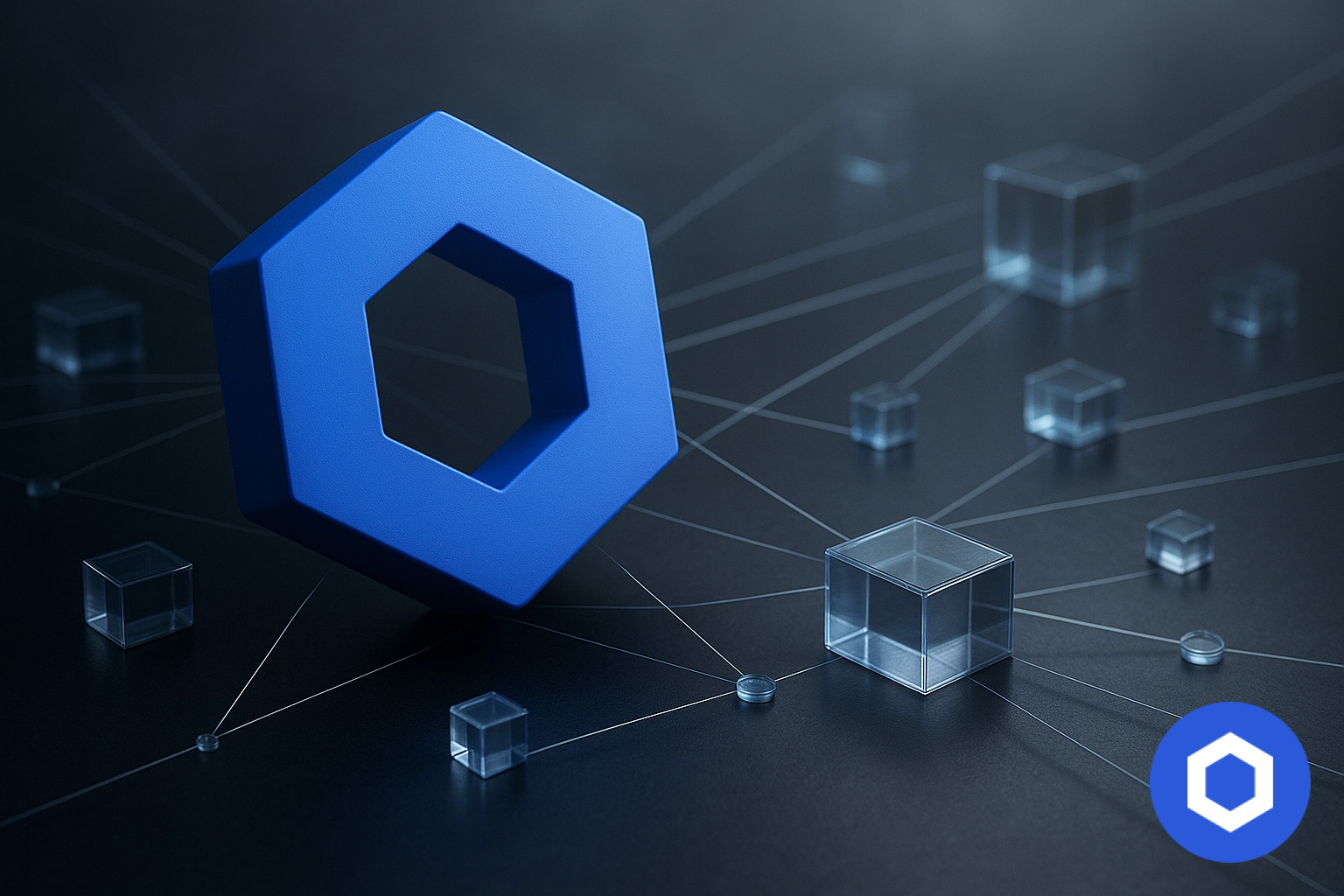
In a landscape dominated by narratives about Bitcoin’s dominance and Ethereum’s smart contract capabilities, the technical nuances of Chainlink’s blockchain oracle networks often remain understated. However, beneath the surface, Chainlink is quietly revolutionizing the way blockchains interact with real-world data, making it an indispensable component of the decentralized ecosystem.
The Oracle Problem and Chainlink’s Solution
Blockchains, by design, are secure and immutable. However, their inability to access off-chain data has long been a hurdle, often referred to as the ‘oracle problem’. Chainlink addresses this issue by providing a decentralized network of nodes that retrieve and deliver data to smart contracts, ensuring that transactions are based on verified, tamper-proof information.
Why Chainlink Matters
Chainlink is not merely a data delivery service; it is a comprehensive suite that includes data, computing, and cross-chain interoperability. Its significance extends beyond just solving technical challenges, as it transforms isolated blockchains into universally connected ecosystems. With the rise of decentralized finance (DeFi) and tokenization, the demand for reliable oracles like Chainlink has surged.
The Role of LINK Token
The LINK token plays a pivotal role in Chainlink’s ecosystem. It acts as the native utility asset that powers the decentralized oracle network. Primarily, LINK is used as a payment currency to incentivize node operators to provide accurate data. Additionally, it functions as a collateral mechanism and a security tool to maintain network integrity.
Tokenization: Bridging Real and Digital Assets
Tokenization is the process of converting physical assets into digital tokens on a blockchain, and Chainlink is at the forefront of this shift. By offering reliable data feeds, Chainlink ensures that tokenized assets accurately reflect their real-world counterparts. This capability is especially crucial for sectors like real estate, where accurate and real-time data is essential for asset valuation.
Market Implications and Ecosystem Risks
Chainlink’s position as the primary middleware of Web3 exposes it to unique risks. While it secures vast amounts of value within DeFi, its reliance on decentralized infrastructure subjects it to systemic and operational vulnerabilities. Developers and users must weigh these risks against the benefits of using Chainlink’s robust oracle networks.
Looking Ahead
As Chainlink continues to expand its ecosystem, integrating with more blockchains and real-world applications, its role in the tokenization of assets and the broader DeFi landscape will only grow. For sophisticated investors and developers, understanding Chainlink’s technical infrastructure and its strategic importance in enabling smart contracts to interact with off-chain data is crucial.
In conclusion, while the broader crypto market often focuses on more headline-grabbing stories, the quiet technical advancements made by Chainlink are reshaping the foundational infrastructure of decentralized technologies. The practical implications of Chainlink’s oracle networks are profound, offering a glimpse into a future where blockchain technology seamlessly integrates with the real world.