AAVE
AAVE ZEC
ZEC USDT
USDT ADA
ADA BNB
BNB USDC
USDC DOGE
DOGE TRX
TRX XTZ
XTZ DASH
DASH TAO
TAO TRUMP
TRUMP XRP
XRP SOL
SOL ETH
ETH LINK
LINK BTC
BTC
 GRAM
GRAM
 DATA
DATA
 WLFI
WLFI
 ATTN
ATTN
 DEV
DEV
 ANSEM
ANSEM
 UNI
UNI
 CC
CC
 RAIN
RAIN
 USDG
USDG
 XLM
XLM
 NEAR
NEAR
 PYUSD
PYUSD
 HYPE
HYPE
 SUI
SUI
 WBT
WBT
 RLUSD
RLUSD
 OKB
OKB
 USD1
USD1
 USDD
USDD
 XMR
XMR
 PAXG
PAXG
 ONDO
ONDO
 AVAX
AVAX
 LTC
LTC
 LEO
LEO
 XAUT
XAUT
 FIGR_HELOC
 HTX
HTX
 USDY
USDY

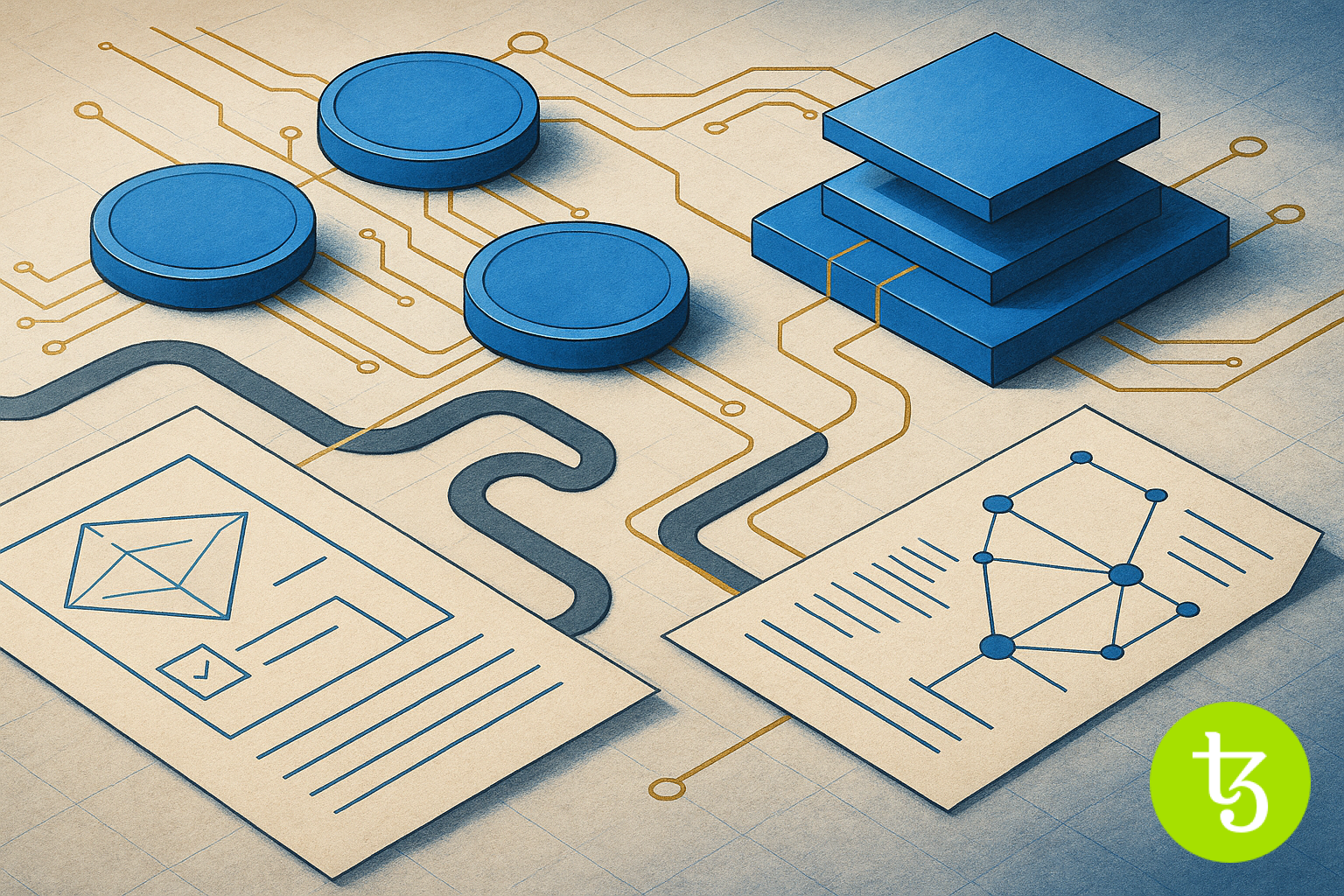
Tezos, the blockchain known for its pioneering Liquid Proof of Stake (LPoS) mechanism, has carved its niche in the crypto ecosystem with a strong focus on governance, security, and adaptability. The network’s journey is marked by both innovation and controversy, positioning it as a unique player in the blockchain space.
The Backbone: Liquid Proof of Stake
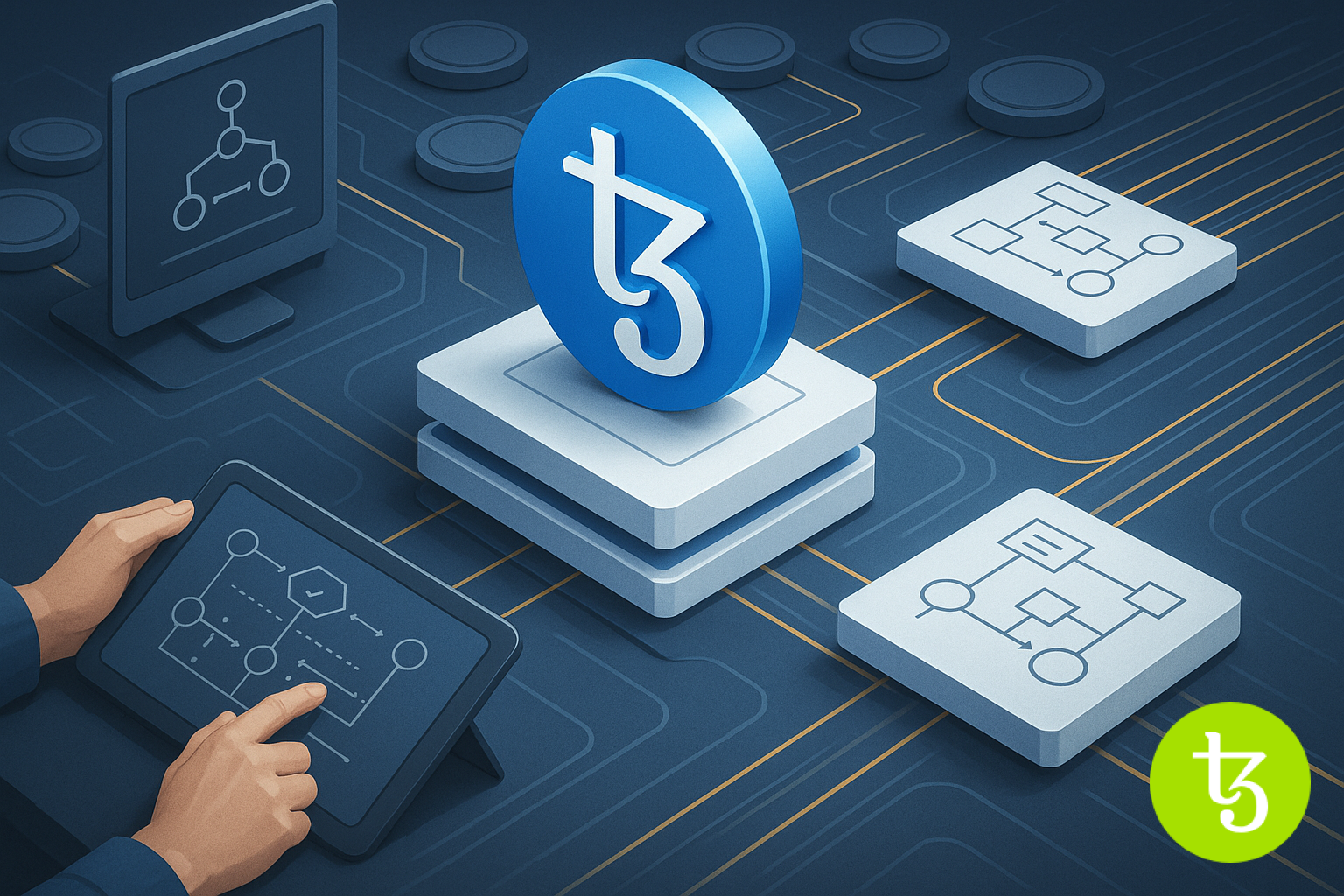
Tezos’ LPoS system stands out in a sea of Proof of Work and Proof of Stake protocols. Unlike traditional Proof of Stake, where staking is often limited to validators with significant holdings, LPoS democratizes the process. Any stakeholder, regardless of the amount of XTZ they hold, can participate directly or delegate their stake to a ‘baker’ who validates transactions. This not only secures the network but also incentivizes participation through staking rewards.
Smart Contracts and Formal Verification
One of Tezos’ standout features is its use of formal verification in smart contracts. This mathematical approach to verifying code correctness reduces the risk of bugs and vulnerabilities, offering a layer of security that appeals to enterprises and developers focused on reliability. As blockchain applications become more complex, this feature ensures that Tezos remains a trusted platform for deploying decentralized applications (dApps).
Governance and Self-Amendment
Tezos’ governance model is another area where it differentiates itself. By enabling stakeholders to vote on protocol upgrades, Tezos ensures that the platform can evolve without the need for hard forks. This self-amendment capability has already been demonstrated through successful protocol upgrades, ensuring that the network remains at the forefront of technological advancements. In contrast, other blockchains often face contentious forks that can lead to community splits and token devaluation.
Challenges: Founders and Infighting
Despite its technical strengths, Tezos’ history has been marred by internal strife and legal battles. Founders Arthur and Kathleen Breitman faced lawsuits over the $232 million initial coin offering (ICO) amid allegations of mismanagement and fraud. These controversies have sometimes overshadowed the platform’s technological achievements, leading to skepticism among potential investors.
The Role of the Tezos Foundation
The Tezos Foundation, tasked with promoting and funding the network’s development, has played a crucial role in its growth. Despite past controversies, the Foundation has been instrumental in fostering a vibrant ecosystem of developers and applications. Its efforts in promoting NFTs on Tezos have positioned the blockchain as a cost-effective and environmentally friendly alternative for digital art and collectibles.
Practical Implications for the Ecosystem
The advancements and challenges faced by Tezos highlight the delicate balance between innovation and governance in the cryptocurrency world. As Tezos continues to evolve, its focus on security, adaptability, and community-driven governance could serve as a model for other blockchain projects. However, overcoming the shadow of its contentious past remains crucial for long-term success.