 AAVE
AAVE UNI
UNI SUI
SUI NEAR
NEAR ZEC
ZEC USDT
USDT ADA
ADA BNB
BNB USDC
USDC DOGE
DOGE TRX
TRX XTZ
XTZ ATTN
ATTN DASH
DASH TAO
TAO TRUMP
TRUMP
 XRP
XRP
 ETH
ETH
 BTC
BTC
 GRAM
GRAM
 SOL
SOL
 DATA
DATA
 LINK
LINK
 WLFI
WLFI
 DEV
DEV
 ANSEM
ANSEM
 USDG
USDG
 CC
CC
 PYUSD
PYUSD
 RAIN
RAIN
 XLM
XLM
 FIGR_HELOC
 USDD
USDD
 OKB
OKB
 HYPE
HYPE
 PAXG
PAXG
 LTC
LTC
 RLUSD
RLUSD
 XMR
XMR
 USD1
USD1
 WBT
WBT
 ONDO
ONDO
 XAUT
XAUT
 AVAX
AVAX
 LEO
LEO
 USDY
USDY

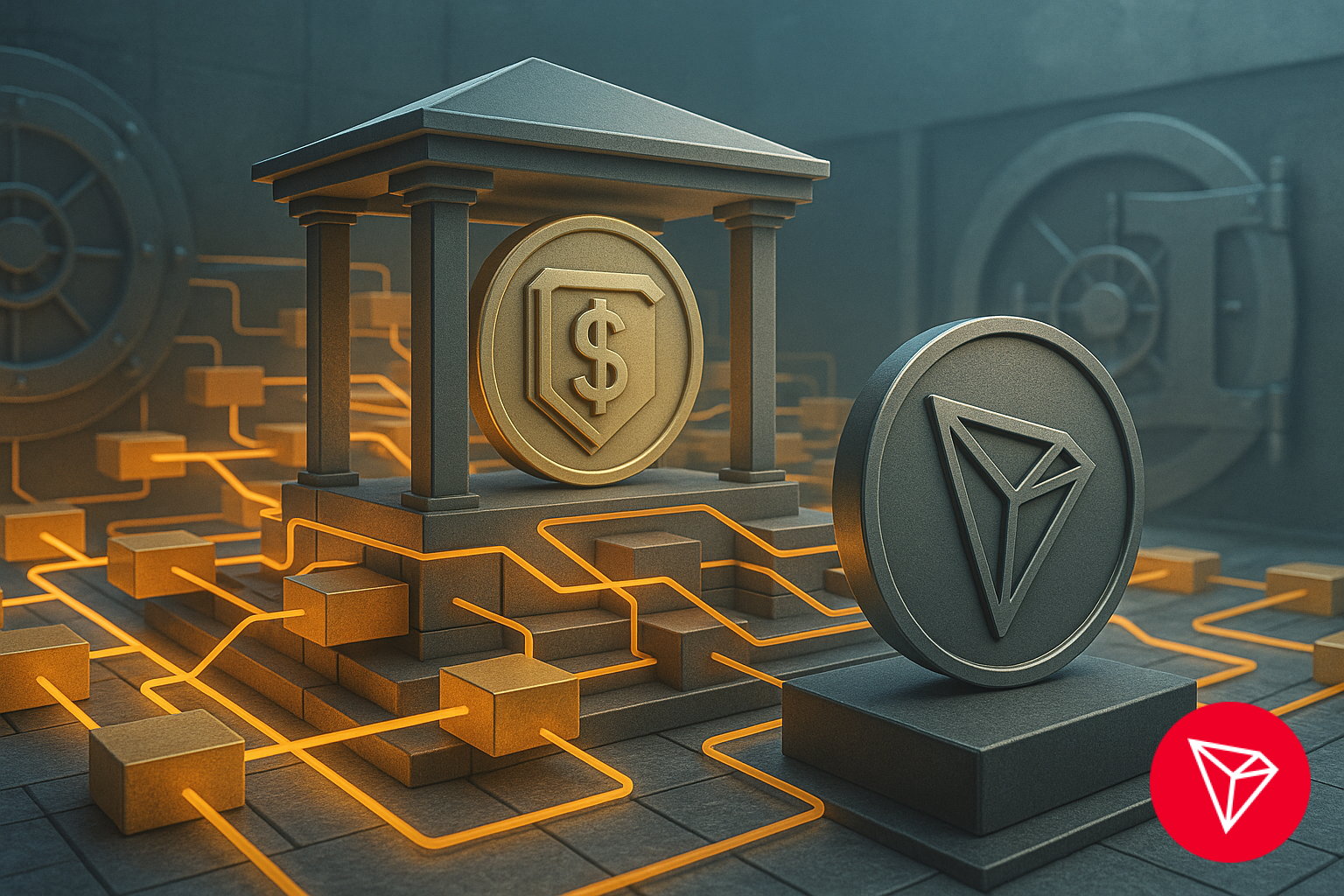
In the rapidly evolving world of cryptocurrency, stablecoins have emerged as a critical tool for decentralization and financial innovation. Among these, Decentralized USD (USDD) stands out by offering a unique blend of security, transparency, and mobility. Managed by the TRON DAO Reserve, USDD is an over-collateralized, crypto-backed stablecoin that aims to provide a censorship-resistant digital dollar alternative, distinguishing itself from its peers in the market.
Understanding USDD’s Over-Collateralization
USDD is designed to maintain a 1:1 peg with the United States Dollar, ensuring stability and trust among users. This is achieved through an over-collateralization strategy that secures the stablecoin with a transparent pool of mainstream digital assets. By maintaining a reserve ratio significantly above 100%, USDD seeks to guarantee market confidence even in the face of cryptocurrency volatility. This approach not only enhances the stability of the stablecoin but also provides a robust alternative to centralized fiat currencies.
The Role of TRON DAO Reserve
The TRON DAO Reserve plays a pivotal role in managing USDD’s on-chain asset reserves. By systematically overseeing the reserve, the TRON DAO Reserve ensures that USDD remains a reliable and stable asset across various blockchain networks. This management framework allows USDD to operate natively as a TRC-20 token on the TRON network while maintaining deep cross-chain circulation channels across Ethereum, BNB Chain, and BitTorrent Chain. Such a multi-chain standard mobility is crucial for enabling fast, low-cost decentralized transactions, making USDD an attractive option for DeFi traders and global Web3 business nodes.
Algorithmic Peg Stability Modules
One of the standout features of USDD is its Peg Stability Module (PSM), an automated framework that allows users to exchange USDD for its underlying assets and vice versa. This system plays a critical role in maintaining the stablecoin’s dollar peg by providing liquidity and ensuring that the supply and demand for USDD are balanced. In times of market turbulence, the PSM acts as a stabilizing force, preventing significant deviations from the peg and ensuring that USDD remains a reliable store of value.
Market Implications and Challenges
USDD’s innovative approach to stablecoin design has significant implications for the broader cryptocurrency market. By offering a decentralized and censorship-resistant digital dollar alternative, USDD minimizes reliance on centralized banking intermediaries, providing users with 24/7 access to a stable financial tool. However, the strategy is not without its challenges. The underlying reserve basket, composed of volatile digital assets like Bitcoin and TRON, exposes USDD to potential risks during severe market downturns. Additionally, while the TRON DAO Reserve provides systematic oversight, concerns about centralization realities and overarching monetary policies remain pertinent discussions among crypto enthusiasts.
Conclusion
As USDD continues to expand its footprint in the stablecoin ecosystem, it represents a significant step forward in the quest for decentralized financial solutions. Its approach to over-collateralization, multi-chain mobility, and algorithmic peg stability serves as a model for future developments in the space. However, the unanswered question remains: how will USDD and similar stablecoins navigate the challenges of crypto volatility and centralization concerns in an ever-evolving market landscape? Sophisticated readers and stakeholders should keep a close eye on these dynamics as they unfold, shaping the future of digital finance.