 AAVE
AAVE UNI
UNI SHIB
SHIB AVAX
AVAX SUI
SUI XLM
XLM NEAR
NEAR ZEC
ZEC XMR
XMR USDT
USDT HYPE
HYPE ADA
ADA BNB
BNB USDC
USDC DOGE
DOGE TRX
TRX ANSEM
ANSEM
 XRP
XRP
 ETH
ETH
 TRUMP
TRUMP
 BTC
BTC
 GRAM
GRAM
 SOL
SOL
 DATA
DATA
 LINK
LINK
 TAO
TAO
 DASH
DASH
 XTZ
XTZ
 ATTN
ATTN
 DEV
DEV
 WLFI
WLFI
 USDG
USDG
 CC
CC
 PYUSD
PYUSD
 PAXG
PAXG
 RAIN
RAIN
 FIGR_HELOC
 ONDO
ONDO
 OKB
OKB
 RLUSD
RLUSD
 LTC
LTC
 USDD
USDD
 XAUT
XAUT
 USD1
USD1
 WBT
WBT
 USDY
USDY
 LEO
LEO

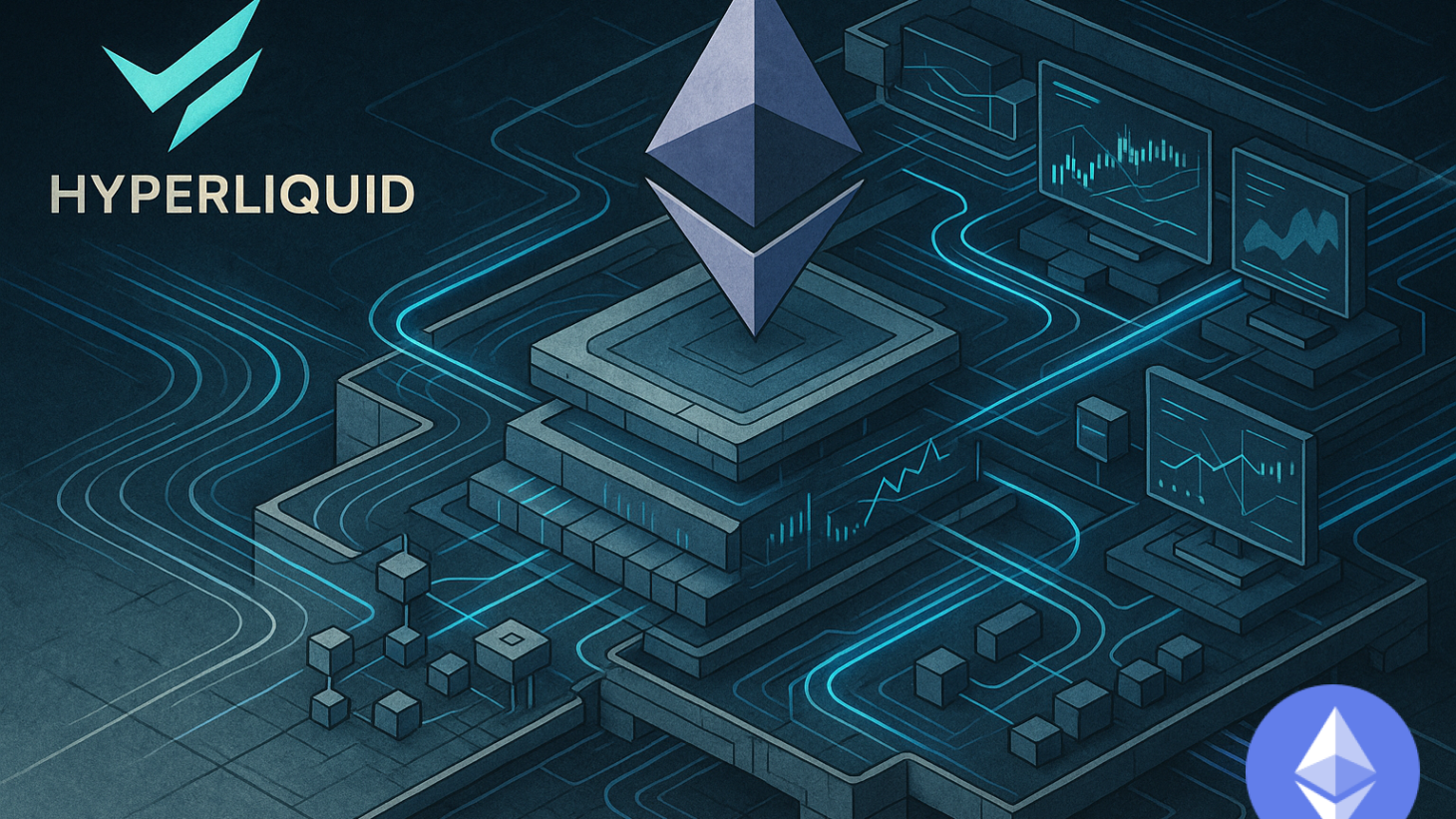
In the rapidly evolving world of cryptocurrency, Hyperliquid stands out as a beacon of innovation and performance. As a high-performance, fully decentralized trading ecosystem, Hyperliquid is redefining the possibilities of decentralized finance (DeFi) with its custom Layer-1 blockchain infrastructure. This platform offers sub-second transaction finality and an institutional-grade perpetual order book, all operating entirely on-chain without centralized intermediaries.
The Hyperliquid Advantage
What sets Hyperliquid apart from its peers is its custom-built Layer-1 blockchain, which runs on the HyperBFT consensus mechanism. This advanced system allows for sub-second transaction finality and can handle up to 200,000 orders per second. For traders and developers, this means unparalleled speed and efficiency in executing trades and developing decentralized applications (dApps).
Unlike many blockchain networks that rely on centralized off-chain engines, Hyperliquid’s infrastructure is entirely self-sovereign. This independence not only enhances security but also ensures that the network remains robust and reliable, even under high demands.
Perpetual Order Book: A New Standard
At the heart of Hyperliquid’s trading platform is its institutional-grade perpetual order book. Designed to function without centralized intermediaries, this order book represents a significant leap forward for decentralized exchanges (DEXs). Traditional DEXs often struggle with issues like liquidity and latency, but Hyperliquid’s approach provides a seamless trading experience with deep order book depth and rapid execution speeds.
The HyperCore framework, which powers the order book, ensures that all trades are processed efficiently on-chain. This framework is complemented by HyperEVM, a native, fully Ethereum-compatible smart contract platform, which allows developers to build complex financial derivatives on the network.
Market Impact and Growth
Hyperliquid has quickly become a major player in the decentralized derivatives market, regularly processing billions in daily trading volume. With over $6 billion in Total Value Locked (TVL), it commands a significant share of the market. This growth is not just a testament to the platform’s technological capabilities but also its strategic positioning as a high-performance alternative to centralized institutions.
According to recent data, while other assets like Ethena’s ENA token are experiencing surges due to external deals, Hyperliquid continues to test its own records, demonstrating its resilience and potential for sustained growth. However, it’s important to note that the platform’s core protocol development is still concentrated within its primary engineering team, a factor that could pose risks in the long term.
Looking Ahead
The landscape of DeFi is competitive, and Hyperliquid faces challenges from both established centralized exchanges and emerging decentralized platforms. Yet, its unique blend of high throughput, decentralized governance, and institutional-grade features positions it well for the future.
For builders, traders, and institutions, Hyperliquid offers a compelling proposition: a fully decentralized ecosystem that doesn’t compromise on performance or reliability. As the platform continues to evolve, the unanswered question remains: how will Hyperliquid adapt its governance and expand its development team to maintain its edge in this dynamic market?