 AAVE
AAVE UNI
UNI SHIB
SHIB AVAX
AVAX SUI
SUI XLM
XLM NEAR
NEAR ZEC
ZEC XMR
XMR USDT
USDT HYPE
HYPE ADA
ADA BNB
BNB USDC
USDC DOGE
DOGE TRX
TRX ANSEM
ANSEM
 XRP
XRP
 ETH
ETH
 TRUMP
TRUMP
 BTC
BTC
 GRAM
GRAM
 SOL
SOL
 DATA
DATA
 LINK
LINK
 TAO
TAO
 DASH
DASH
 XTZ
XTZ
 ATTN
ATTN
 DEV
DEV
 WLFI
WLFI
 USDG
USDG
 CC
CC
 PYUSD
PYUSD
 PAXG
PAXG
 RAIN
RAIN
 FIGR_HELOC
 ONDO
ONDO
 OKB
OKB
 RLUSD
RLUSD
 LTC
LTC
 USDD
USDD
 XAUT
XAUT
 USD1
USD1
 WBT
WBT
 USDY
USDY
 LEO
LEO

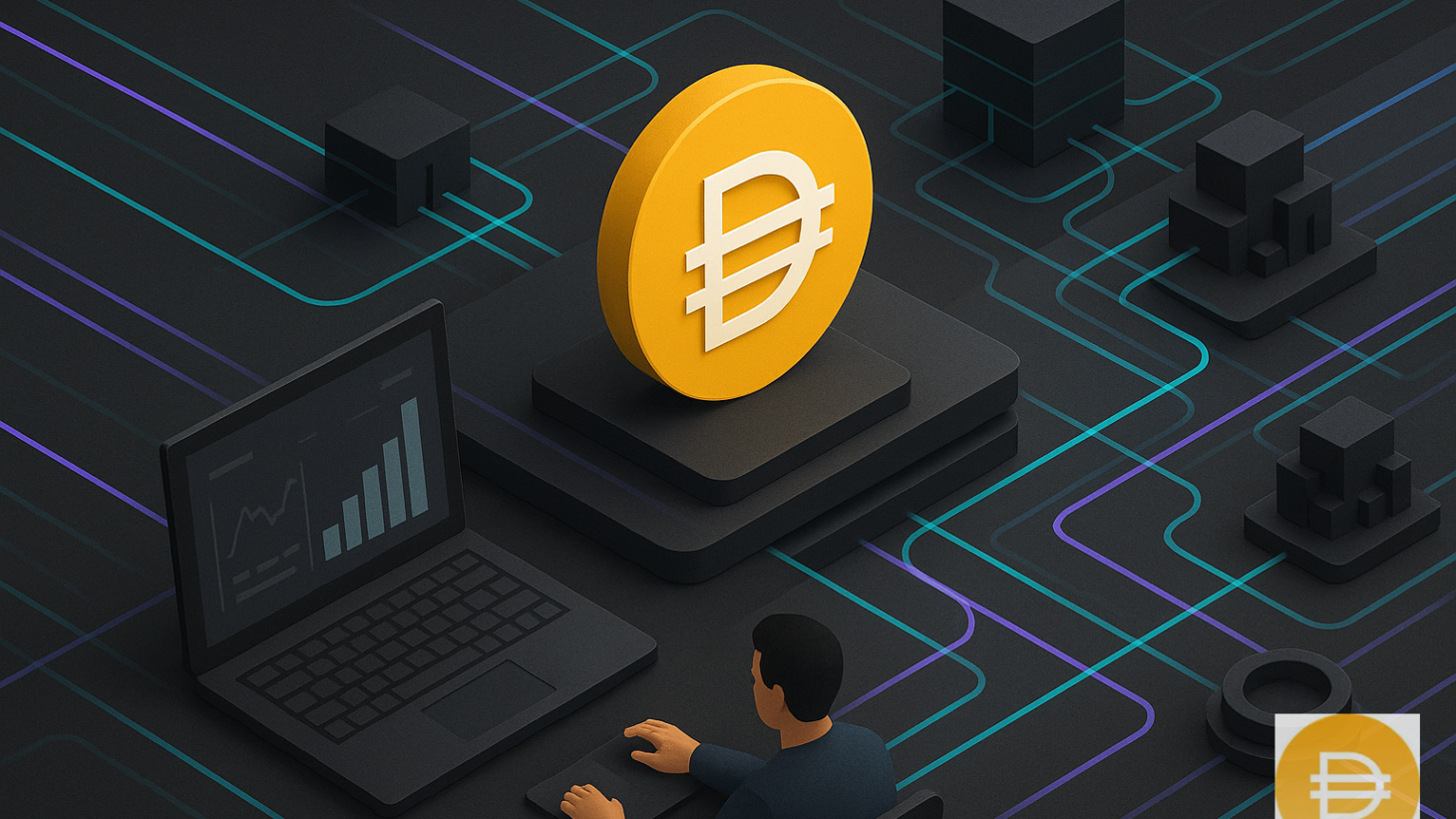
In the rapidly evolving landscape of cryptocurrency, where volatility often overshadows stability, Dai (DAI) emerges as a beacon of decentralized finance (DeFi). Unlike traditional stablecoins tethered to centralized banking systems, Dai provides a censorship-resistant digital dollar alternative. At its core, Dai utilizes a multi-collateral backing system on public blockchains, ensuring a steadfast 1:1 peg to the US dollar. This article delves into the architecture and implications of Dai’s decentralized stablecoin infrastructure and its role in shaping financial utility.
The Architecture of Stability
Dai operates on the Ethereum blockchain, leveraging a sophisticated overcollateralization mechanism. Users deposit a variety of approved cryptocurrencies into smart contract vaults, which act as collateral. The beauty of this system lies in its transparency and security; all operations are executed on-chain, free from centralized control. This architecture not only safeguards Dai against the volatility of the cryptocurrency market but also fortifies it against regulatory overreach.
Overcollateralization: The Backbone of Dai
To maintain its stability, Dai employs overcollateralization. This means that the value of the collateral locked in smart contracts exceeds the value of the minted Dai. This excess collateral acts as a buffer against price fluctuations, ensuring that Dai’s value remains pegged to the US dollar. This mechanism, while robust, also presents risks such as collateral liquidation during extreme market downturns. Nonetheless, the system’s design is inherently resilient, offering a decentralized safeguard against such risks.
Dai’s Role in the DeFi Ecosystem
In the broader DeFi ecosystem, Dai acts as a stable medium of exchange. It powers a multitude of web3 platforms, facilitating transactions without the volatility typically associated with cryptocurrencies. By providing a stable unit of account, Dai enables DeFi participants, blockchain developers, and risk-averse investors to engage in decentralized applications with confidence.
The governance of Dai is managed by Sky Ecosystem, historically known as MakerDAO. This decentralized governance model ensures that decisions regarding protocol updates, collateral types, and risk parameters are driven by the community, further emphasizing its censorship-resistant nature.
Comparative Analysis: Dai vs. Traditional Stablecoins
While traditional stablecoins like Tether (USDT) or USD Coin (USDC) are backed by fiat reserves held in banks, Dai’s model is purely crypto-collateralized. This distinction is crucial, as it removes the dependency on centralized entities, making Dai less susceptible to regulatory clampdowns and financial institution failures.
In contrast, the recent developments in the Solana network, as highlighted by CoinDesk, show a push towards deflationary mechanisms through increased token burns. While these efforts aim to stabilize the token’s value, they still operate within a centralized framework, unlike Dai’s decentralized model.
Future Outlook
As the cryptocurrency market continues to mature, the demand for decentralized financial solutions like Dai is poised to grow. The recent surge in tokenized assets and the push for more secure blockchain infrastructures underscore the market’s appetite for stable, decentralized financial instruments. With its strong foundation and community-driven governance, Dai is well-positioned to remain at the forefront of this evolution.
For builders, traders, and institutions, understanding Dai’s architecture offers a glimpse into the future of finance—one where stability, transparency, and decentralization are not just ideals but realities. As the landscape shifts, keeping a close watch on Dai’s development and integration into global financial systems will be crucial for anyone invested in the future of decentralized finance.