 AAVE
AAVE UNI
UNI SHIB
SHIB AVAX
AVAX SUI
SUI XLM
XLM NEAR
NEAR ZEC
ZEC XMR
XMR USDT
USDT HYPE
HYPE ADA
ADA BNB
BNB USDC
USDC DOGE
DOGE TRX
TRX ANSEM
ANSEM
 XRP
XRP
 ETH
ETH
 TRUMP
TRUMP
 BTC
BTC
 GRAM
GRAM
 SOL
SOL
 DATA
DATA
 LINK
LINK
 TAO
TAO
 DASH
DASH
 XTZ
XTZ
 ATTN
ATTN
 DEV
DEV
 WLFI
WLFI
 USDG
USDG
 CC
CC
 PYUSD
PYUSD
 PAXG
PAXG
 RAIN
RAIN
 FIGR_HELOC
 ONDO
ONDO
 OKB
OKB
 RLUSD
RLUSD
 LTC
LTC
 USDD
USDD
 XAUT
XAUT
 USD1
USD1
 WBT
WBT
 USDY
USDY
 LEO
LEO

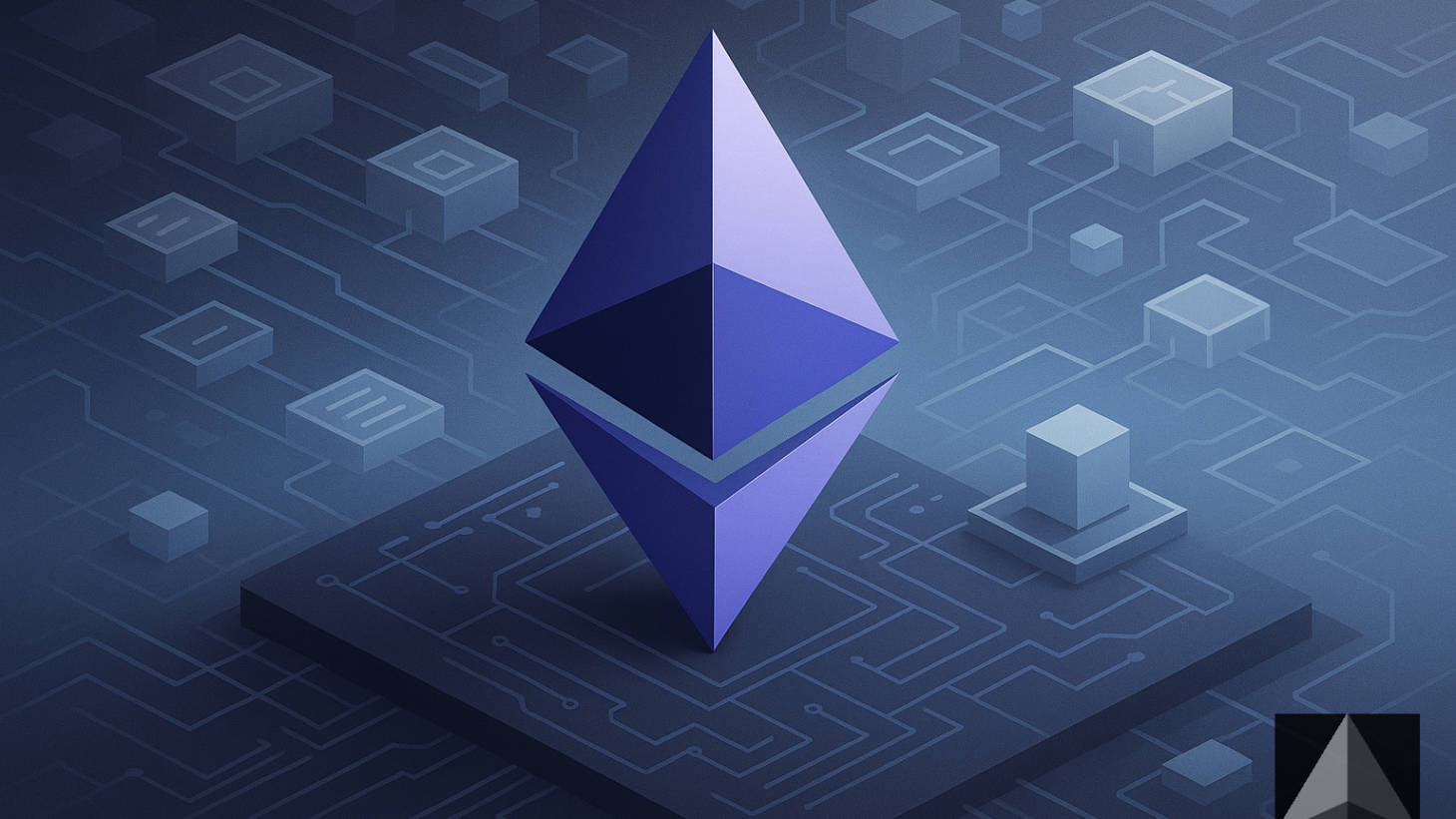
Ethereum has long stood as a transformative force in the blockchain arena, moving beyond mere digital currency to establish itself as a comprehensive digital infrastructure. With its unique ability to execute smart contracts, Ethereum has paved the way for decentralized applications (dApps) that continue to expand the capabilities of blockchain technology.
The Role of Smart Contracts
At the heart of Ethereum’s offering are smart contracts—self-executing contracts with the terms of the agreement directly written into code. These contracts automate transactions without the need for a central authority, bringing efficiency and transparency to a variety of industries. This has been particularly influential in sectors such as finance and real estate, where trust and transparency are paramount.
The recent event where a 3% token move triggered $36 million in Ethereum DeFi liquidations, as reported by CoinDesk, underscores the robust yet complex nature of these smart contracts. While they provide immense utility, they also introduce risks that require careful management. This incident serves as a reminder of the volatility and precision needed in managing decentralized finance (DeFi) portfolios on Ethereum.
Growth and Innovation
Ethereum’s growth trajectory has been nothing short of impressive. As developers continue to build on its platform, Ethereum’s ecosystem has expanded to include a diverse array of applications—from decentralized finance to non-fungible tokens (NFTs). Vitalik Buterin, Ethereum’s co-founder, has been instrumental in steering this growth, consistently advocating for a decentralized future and pushing the boundaries of what’s possible with blockchain technology.
Innovations such as the Monad proposal, which aims to enhance Ethereum’s security against quantum attacks, demonstrate the network’s commitment to staying at the forefront of technological advancement. By potentially allowing users to replace lost keys without changing their account address, Ethereum ensures that its security measures evolve alongside technological threats.
Staking and Network Security
Staking has become a pivotal aspect of Ethereum’s network security and economic model. With the transition to Ethereum 2.0, the network has embraced a proof-of-stake (PoS) consensus mechanism, which not only reduces energy consumption but also incentivizes holders to participate in securing the network. This shift is expected to improve scalability and reduce the network’s carbon footprint, addressing previous criticisms of blockchain’s environmental impact.
Staking also provides a new avenue for investors and enthusiasts to earn rewards, thereby enhancing Ethereum’s appeal as a long-term investment. As of now, Ethereum’s staking contracts have attracted substantial participation, indicative of the confidence the community places in the network’s future.
Practical Implications and the Road Ahead
The practical implications of Ethereum’s advancements are profound. By enabling a decentralized computing platform, Ethereum has not only decentralized finance but also democratized access to technology, allowing anyone to build and innovate without needing centralized permission. This opens up new possibilities for financial inclusion and innovation across the globe.
As Ethereum continues to evolve, its focus on infrastructure, reliability, and security will be crucial in maintaining its leadership in the blockchain space. The network’s ability to adapt and innovate, as seen with proposals like Monad and the adoption of staking, positions it well for future challenges and opportunities.
Ultimately, Ethereum’s story is one of technology and trust. It offers a glimpse into a future where decentralized computing reshapes industries and empowers individuals, reinforcing its status as a cornerstone of the blockchain revolution.