 AAVE
AAVE ZEC
ZEC USDT
USDT ADA
ADA BNB
BNB USDC
USDC DOGE
DOGE TRX
TRX XTZ
XTZ DASH
DASH TAO
TAO TRUMP
TRUMP XRP
XRP SOL
SOL ETH
ETH LINK
LINK BTC
BTC
 GRAM
GRAM
 DATA
DATA
 WLFI
WLFI
 ATTN
ATTN
 DEV
DEV
 ANSEM
ANSEM
 UNI
UNI
 USDG
USDG
 PYUSD
PYUSD
 CC
CC
 RAIN
RAIN
 XLM
XLM
 HYPE
HYPE
 NEAR
NEAR
 SUI
SUI
 OKB
OKB
 USDD
USDD
 XMR
XMR
 PAXG
PAXG
 FIGR_HELOC
 ONDO
ONDO
 WBT
WBT
 USD1
USD1
 AVAX
AVAX
 RLUSD
RLUSD
 LTC
LTC
 XAUT
XAUT
 HTX
HTX
 LEO
LEO
 USDY
USDY

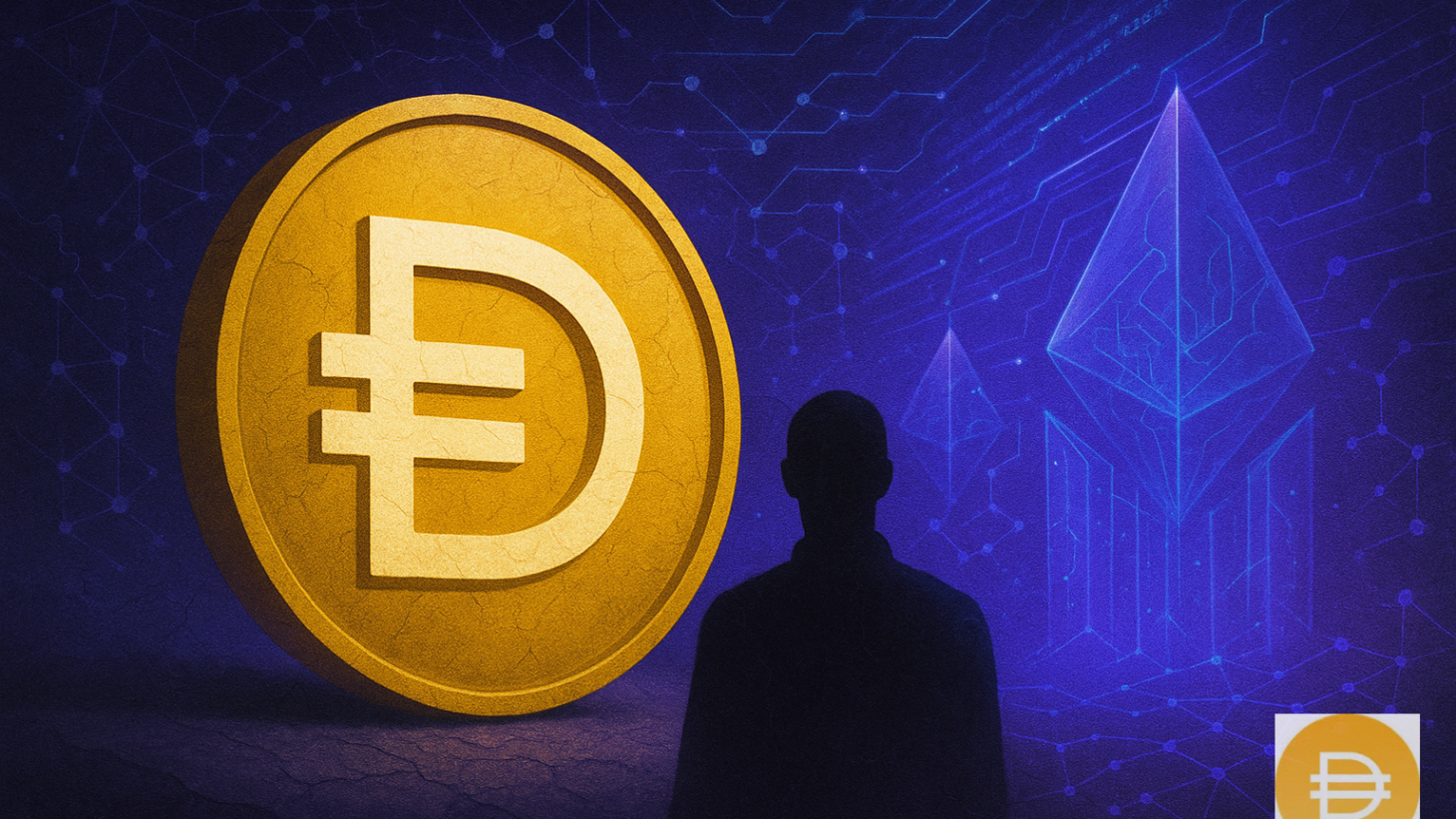
In an era where financial stability and decentralization are highly sought after, Dai (DAI) emerges as a pivotal asset, providing a censorship-resistant digital dollar alternative. Built on the Ethereum blockchain, Dai maintains its 1:1 value peg with the US dollar through an innovative multi-collateral backing system. This decentralized stablecoin infrastructure not only ensures stability but also operates free from centralized banking control.
Understanding Dai’s Decentralized Infrastructure
Dai is distinct in its use of a crypto-collateralized backing system. Unlike traditional stablecoins that rely on fiat reserves held by centralized entities, Dai is backed by a diverse pool of cryptocurrencies. These assets are securely locked in smart contracts, creating a transparent and trustless ecosystem. The overcollateralization mechanism further strengthens Dai’s stability, requiring users to deposit more assets than the Dai they mint, cushioning against market volatility.
The Role of the Maker Protocol
Central to Dai’s operation is the Maker Protocol, governed by the Sky Ecosystem (historically known as MakerDAO). This protocol facilitates the creation and management of Dai through decentralized governance, where MKR and SKY token holders vote on key decisions. The Maker Protocol’s smart contract vaults allow DeFi participants to leverage their crypto holdings to mint Dai, fostering an ecosystem of decentralized borrowing and lending.
Strategic Importance in the DeFi Space
Dai has cemented itself as an integral component of the DeFi landscape. Its stable value and decentralized nature make it an ideal medium of exchange and unit of account across thousands of web3 platforms. Traders, holders, and institutions leverage Dai for transactions without the fear of volatility, enabling seamless and efficient financial operations.
Opportunities and Risks
For builders and traders, Dai presents a unique opportunity to engage in a stable and decentralized financial ecosystem. Its integration into various DeFi liquidity pools enhances liquidity and drives innovation. However, as with any decentralized system, risks exist. The reliance on smart contracts introduces vulnerabilities to bugs and exploits. Furthermore, the liquidation of collateral during severe market downturns poses a potential risk to Dai’s stability.
Market Context and Comparative Analysis
As the cryptocurrency market continues to evolve, stablecoins like Dai play an increasingly important role. While traditional stablecoins such as USDT have faced scrutiny over centralization and reserve transparency, Dai’s decentralized approach offers a compelling alternative. The recent report on potential security breaches in USDT highlights the advantages of Dai’s open-source, on-chain collateral system, which provides greater security and transparency.
Moreover, the broader market debate on whether digital dollar wallets can replace traditional bank accounts underscores the significance of stablecoins like Dai. As consumers and institutions seek more efficient and modern financial solutions, Dai’s programmable stability and decentralized lending efficiency position it as a key player in the financial infrastructure of tomorrow.
Conclusion
Dai is not just a stablecoin; it is a testament to the potential of decentralized finance. It offers a secure, censorship-resistant unit of account, protecting users from market volatility without central authority reliance. As the DeFi ecosystem grows, Dai’s role as foundational financial plumbing becomes increasingly critical. Understanding its mechanisms and opportunities can empower users to navigate the evolving digital financial landscape effectively.