 AAVE
AAVE NEAR
NEAR ZEC
ZEC USDT
USDT ADA
ADA BNB
BNB USDC
USDC DOGE
DOGE TRX
TRX XTZ
XTZ DASH
DASH TAO
TAO TRUMP
TRUMP XRP
XRP SOL
SOL ETH
ETH LINK
LINK
 BTC
BTC
 GRAM
GRAM
 DATA
DATA
 WLFI
WLFI
 ATTN
ATTN
 DEV
DEV
 ANSEM
ANSEM
 UNI
UNI
 USDG
USDG
 PYUSD
PYUSD
 CC
CC
 RAIN
RAIN
 XLM
XLM
 HYPE
HYPE
 SUI
SUI
 OKB
OKB
 USDD
USDD
 XMR
XMR
 PAXG
PAXG
 FIGR_HELOC
 ONDO
ONDO
 WBT
WBT
 USD1
USD1
 AVAX
AVAX
 LTC
LTC
 RLUSD
RLUSD
 XAUT
XAUT
 HTX
HTX
 LEO
LEO
 USDY
USDY

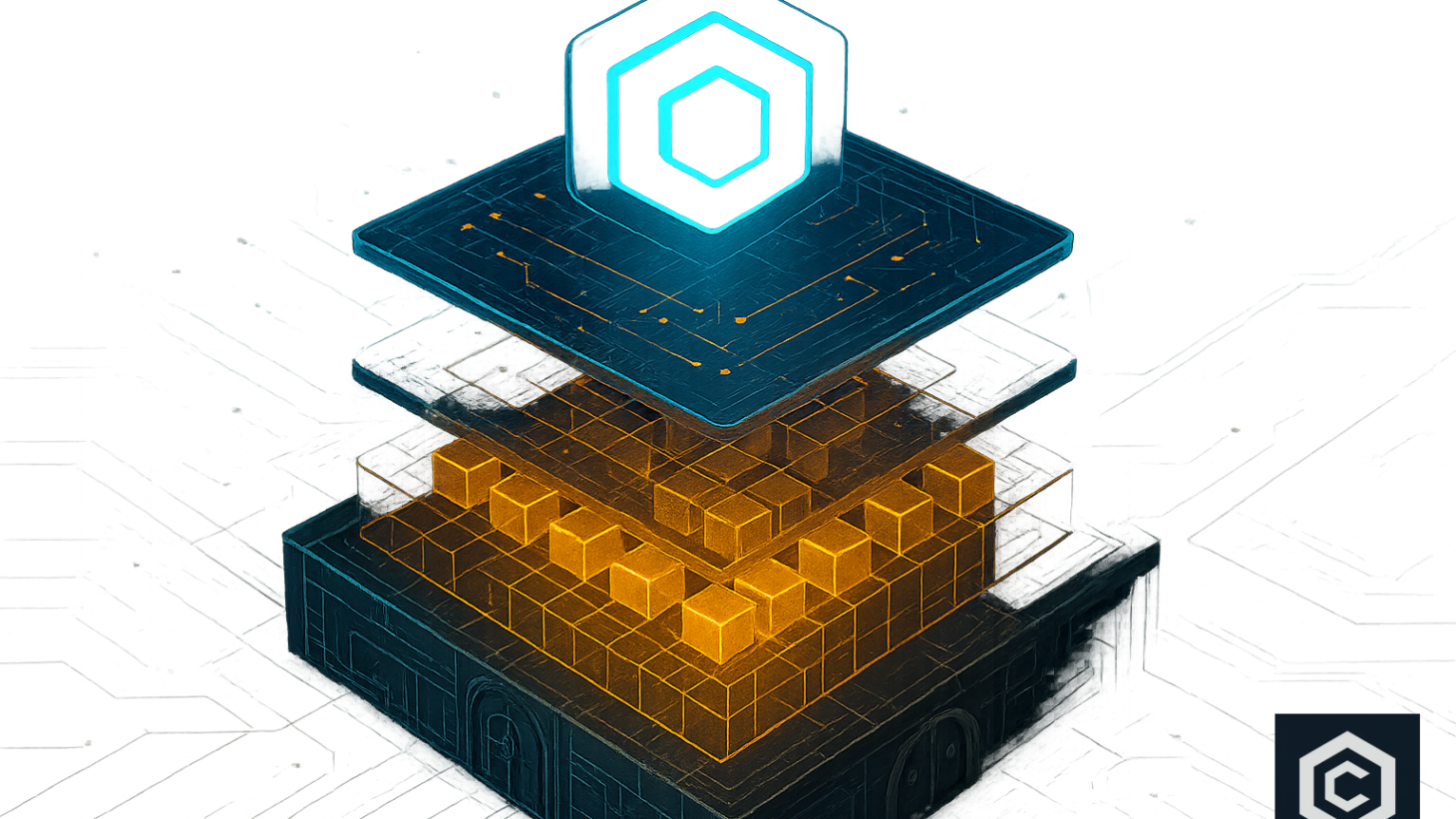
The Cronos (CRO) blockchain ecosystem has emerged as an integral part of the Crypto.com ecosystem, serving as its foundational utility asset. While the broader cryptocurrency market often focuses on mainstream assets like Bitcoin and Ethereum, Cronos’s unique features and utility offer compelling advantages, particularly for those integrated into the Crypto.com universe.
The Bridge Between Cosmos and Ethereum
At its core, Cronos is a Layer-1 blockchain built on the Cosmos SDK, offering EVM compatibility. This dual compatibility enables developers to seamlessly port Ethereum-based applications onto Cronos while benefiting from the cross-chain capabilities provided by the Cosmos ecosystem. It is the first blockchain network to effectively bridge the Ethereum and Cosmos environments, a feature that holds immense potential for developers looking for interoperability and scalability.
Utility and User Benefits
The native CRO token is the economic engine that powers the Cronos ecosystem. Users utilize CRO for various activities, including covering network gas fees, staking to secure validators, and unlocking tiered cash-back rewards through Crypto.com. This comprehensive utility makes CRO an attractive asset for users seeking to maximize value within the ecosystem.
Moreover, the Cronos network supports a wide array of decentralized finance (DeFi) platforms like VVS Finance and Tectonic, along with GameFi, NFT marketplaces, and AI-linked tokenization. These platforms benefit from the network’s high-speed Proof-of-Authority consensus mechanism, which ensures low transaction fees and efficient operations.
Adoption and Market Dynamics
The adoption of Cronos is significantly bolstered by Crypto.com’s extensive user base, which exceeds 100 million people globally. This vast community provides a ready market for dApps and other services built on Cronos, driving liquidity and enhancing the network’s overall robustness. As more users engage with these platforms, the demand for CRO tokens increases, further embedding its role in the ecosystem.
However, it is essential to consider the potential risks associated with Cronos. The reliance on a whitelisted Proof-of-Authority validator set, while beneficial for speed, raises concerns about centralization. Additionally, the token’s market performance is closely tied to the commercial success of Crypto.com, making it imperative for the platform to maintain its competitive edge in the fast-evolving crypto space.
Developer Incentives and Ecosystem Growth
Cronos offers compelling incentives for developers. Its EVM compatibility allows for the instant deployment of Solidity-based smart contracts, providing a familiar environment for Ethereum developers. Additionally, by leveraging the Inter-Blockchain Communication (IBC) protocol, Cronos enables native cross-chain asset transfers, further broadening the scope for innovative Web3 applications.
The ecosystem’s growth is evidenced by the increasing number of projects opting to build on Cronos, attracted by the ease of integration and the network’s ability to handle high throughput. As these projects launch and mature, they contribute to the diversification and resilience of the Cronos ecosystem.
Conclusion: Future Prospects
The Cronos blockchain ecosystem is poised for growth, driven by its strategic position within the Crypto.com network and its technical capabilities. However, its success will ultimately depend on its ability to address centralization concerns and maintain strong user adoption amidst competitive pressures. As Cronos continues to evolve, its ability to deliver on its promise of a seamless, interoperable blockchain environment will be crucial in determining its long-term impact on the crypto landscape.