 AAVE
AAVE NEAR
NEAR ZEC
ZEC USDT
USDT ADA
ADA BNB
BNB USDC
USDC DOGE
DOGE TRX
TRX XTZ
XTZ ATTN
ATTN DASH
DASH TAO
TAO TRUMP
TRUMP XRP
XRP SOL
SOL ETH
ETH
 BTC
BTC
 GRAM
GRAM
 DATA
DATA
 LINK
LINK
 WLFI
WLFI
 DEV
DEV
 ANSEM
ANSEM
 UNI
UNI
 USDG
USDG
 RAIN
RAIN
 PYUSD
PYUSD
 CC
CC
 XLM
XLM
 SUI
SUI
 FIGR_HELOC
 HYPE
HYPE
 PAXG
PAXG
 USDD
USDD
 XMR
XMR
 OKB
OKB
 ONDO
ONDO
 USD1
USD1
 WBT
WBT
 LTC
LTC
 RLUSD
RLUSD
 AVAX
AVAX
 XAUT
XAUT
 LEO
LEO
 HTX
HTX
 USDY
USDY

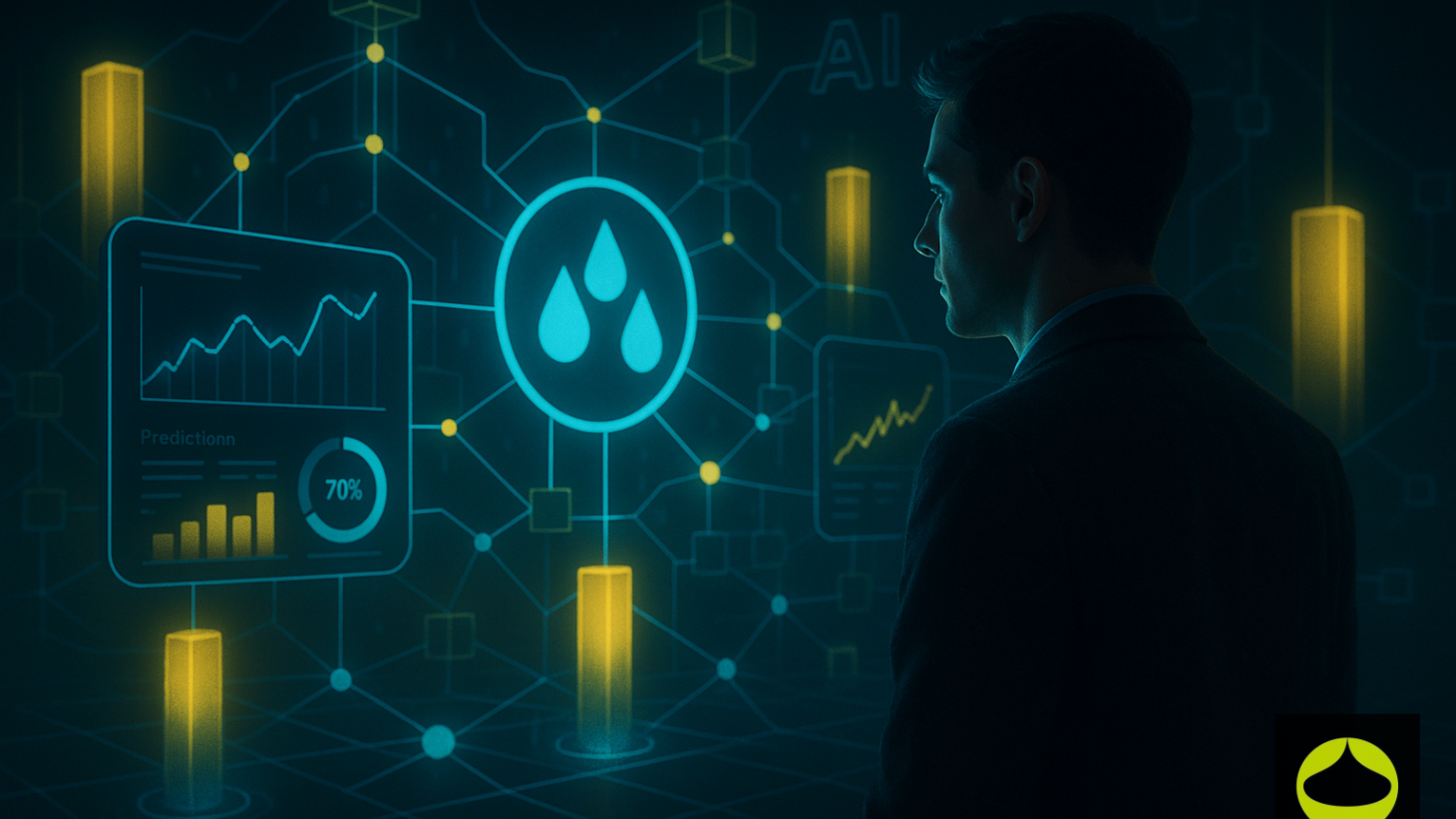
In the rapidly advancing landscape of decentralized technologies, Rain Protocol emerges as a vanguard in the realm of Web3 prediction infrastructure. Built on the Arbitrum Layer-2 network, Rain provides an innovative, builder-first platform architecture aimed at revolutionizing how prediction markets operate. Its core offerings include decentralized prediction markets, AI-driven oracle infrastructure, and comprehensive Layer-2 Web3 developer protocols.
A Builder-First Platform Architecture
Rain distinguishes itself with a robust SDK and construction kit designed for both human users and automated AI agents. This not only empowers developers to create custom prediction platforms but also enables them to seamlessly deploy and trade on forecasting markets for real-world events. Unlike traditional consumer applications, Rain offers developer tools that facilitate the launch of bespoke prediction platforms, catering to specific market needs.
Autonomous AI-Agent Resolution Framework
At the heart of Rain’s ecosystem is its autonomous AI-agent resolution framework. This framework employs advanced AI-driven oracles to resolve outcomes, ensuring precise and unbiased market conclusions. This innovation reduces reliance on human intervention, thereby minimizing risks associated with errors or manipulations. By integrating AI into its core operations, Rain enhances the efficiency and reliability of prediction markets, making them more attractive to a broader audience.
Deflationary Token Model
The $RAIN token is the lifeblood of the Rain ecosystem, serving as both a utility and governance token. A distinctive feature of this token is its deflationary model, which automatically burns 2.5% of trading volume. This mechanism not only reduces the total supply of RAIN over time but also incrementally increases the value of remaining tokens, aligning the interests of token holders with the network’s growth.
Driving Network Value
Rain’s strategic use of a buyback-and-burn mechanism ensures that its tokenomics are aligned with the broader market dynamics. This approach not only incentivizes trading activity but also enhances the intrinsic value of RAIN tokens. By embedding these economic incentives within its framework, Rain positions itself as a sustainable and growth-oriented network.
Market Context and Comparisons
While the broader cryptocurrency market experiences fluctuations due to macroeconomic factors like anticipated Fed rate hikes, Rain’s unique proposition offers stability and growth potential. Unlike monolithic prediction platforms, Rain’s decentralized approach and AI integration provide a scalable and secure solution for developers and traders alike. Although other projects like Ripple explore different avenues, such as stablecoins for corporate treasuries, Rain’s focus on prediction markets fills a unique niche in the crypto ecosystem.
Opportunities and Risks
Rain’s innovative approach opens up numerous opportunities for developers and traders, especially those interested in decentralized finance and AI applications. Its AI-driven oracle infrastructure and deflationary token model are particularly appealing in a market that values transparency and growth potential. However, challenges remain, such as high token concentration among early insiders, which could pose transparency issues. Additionally, the project’s specialized infrastructure faces stiff competition from well-established players in the prediction market space.
In conclusion, Rain Protocol stands out as a leading Web3 prediction infrastructure network, thanks to its builder-first architecture, autonomous AI-agent framework, and deflationary token model. As it continues to develop, Rain has the potential to redefine how prediction markets operate in the decentralized world, offering a compelling proposition for developers, traders, and AI architects.