AdPrPromoteAdvertise With CryptoLiveLeakSponsored#1AAVEAAVE50⚡Aave#2UNIUNI50⚡Uniswap#3AVAXAVAX50⚡Avalanche#4SUISUI50⚡Sui#5XLMXLM50⚡Stellar#6NEARNEAR50⚡NEAR Protocol#7ZECZEC50⚡Zcash#8XMRXMR50⚡Monero#9USDTUSDT50⚡Tether#10ADAADA50⚡Cardano#11BNBBNB50⚡BNB#12USDCUSDC50⚡USDC#13DOGEDOGE50⚡Dogecoin#14TRXTRX50⚡TRON#15XTZXTZ50⚡Tezos#16ATTNATTN50⚡Solana#17DASHDASH50⚡Dash
🔥
Go Live
Market Pulse
Platform signalMarkets, media, and creator operations in one network.

Track assets, publish original coverage, and turn verified attention into measurable participation.

Explore the network
CryptoLiveLeak account

Join the signal network.

One account connects memberships, creator tools, watchlists, wallets, and integrations.

Welcome back

Create an account

Blog

PayPal USD: Bridging Traditional Finance with Blockchain Efficiency

CryptoLiveLeak September 18, 2026 37 views

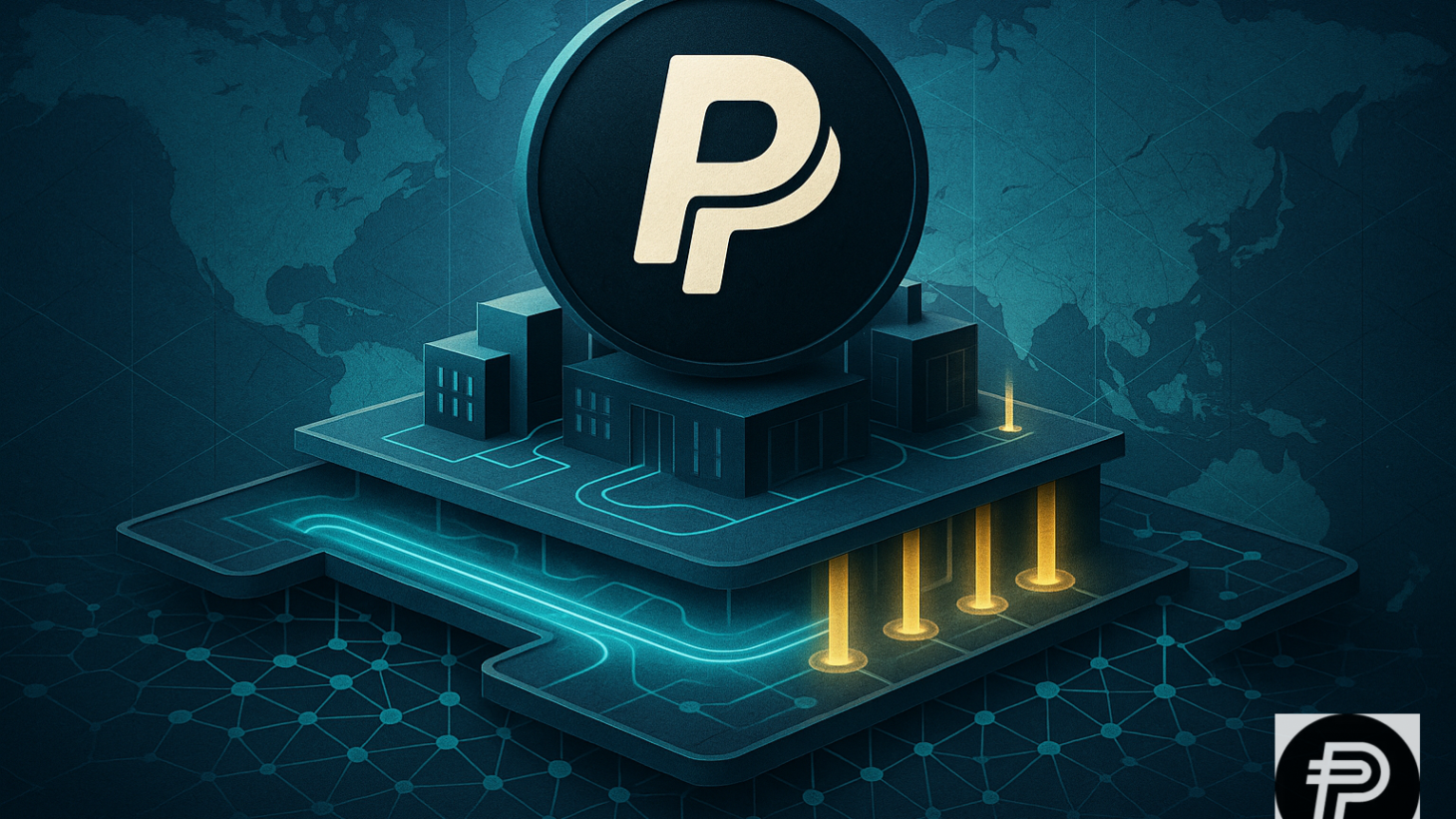
In a significant leap towards integrating traditional finance with cutting-edge blockchain technology, PayPal USD (PYUSD) emerges as a game-changer in the world of digital payments. Issued by Paxos Trust Company, PYUSD is a fiat-backed stablecoin that maintains a strict 1:1 value parity with the US Dollar, ensuring consumers a reliable and compliant digital dollar for global transactions.

The Architecture of Trust

PayPal USD stands out due to its robust regulatory framework. It is issued under the comprehensive oversight of the New York State Department of Financial Services (NYDFS). This regulatory backing assures users of the highest level of consumer protection and compliance. Each PYUSD token is backed by cash deposits, short-duration US Treasury bills, and liquid cash equivalents, providing deep asset transparency and trust.

Integration with Mainstream Fintech

One of the standout features of PayPal USD is its seamless integration with mainstream fintech platforms, notably PayPal and Venmo. This integration instantly makes PYUSD accessible to hundreds of millions of active retail accounts globally. By embedding PYUSD in these platforms, PayPal leverages its widespread consumer network to facilitate low-cost, near-instant settlement efficiency using public blockchain infrastructure.

For digital merchants and consumers, this means frictionless retail commerce. PYUSD can be used to fund online purchases, complete checkouts, and settle digital invoices across millions of merchants worldwide, eliminating the traditional complexities and costs associated with cross-border transactions.

Compliant Retail Digital Payments

PYUSD’s launch signifies a major step forward in compliant retail digital payments. With its fiat-backed nature, it provides a stable value proposition that appeals to compliance-minded Web3 developers and mainstream retail consumers alike. This stability is crucial in an era where volatility often plagues the cryptocurrency market.

Global Remittances and Consumer Remittances

Another significant advantage of PYUSD is its utility in enabling low-cost global remittances. The stablecoin allows for instantaneous, borderless peer-to-peer money transfers directly between parties, making it an attractive option for cross-border remittance senders. This capability aligns with the growing demand for efficient, cost-effective remittance solutions in an increasingly globalized economy.

Risks and Considerations

Despite its advantages, PYUSD is not without its risks. The centralized custody and control inherent in its design mean that Paxos retains the legal and technical authority to freeze assets or restrict wallet addresses if required by law. This centralized aspect, while necessary for regulatory compliance, may be viewed with skepticism by proponents of decentralized finance who value autonomy and censorship resistance.

However, for mainstream consumers and businesses prioritizing compliance and stability, PYUSD offers a compelling alternative to traditional payment systems, positioning itself as a safe, regulated digital dollar for commerce and remittances.

Conclusion

PayPal USD bridges the gap between traditional digital payment systems and the open-source Web3 ecosystem. By offering a regulated, fiat-backed stablecoin with the backing of one of the world’s most trusted fintech giants, PayPal USD is poised to redefine digital transactions. As it continues to evolve, PYUSD will likely play a pivotal role in shaping the future of digital payments, combining the trust and scale of PayPal’s network with the efficiency of blockchain technology.
Leave a Reply

Blog

PayPal USD: Bridging Traditional Finance with Blockchain Efficiency

CryptoLiveLeak August 8, 2026 82 views

In the rapidly evolving landscape of digital finance, PayPal USD (PYUSD) emerges as a significant innovation, marrying the trusted framework of a fiat-backed stablecoin with the dynamic realm of blockchain technology. Issued by Paxos Trust Company, PYUSD is a regulated stablecoin that promises to revolutionize digital transactions by combining PayPal’s extensive consumer network with the cost-efficiency and speed of blockchain infrastructure.

The Architecture of PayPal USD

PayPal USD is a fiat-backed stablecoin designed to maintain a 1:1 parity with the US Dollar. This stability is achieved through a robust reserve mechanism, where each token is backed by cash deposits, short-duration US Treasury bills, and other liquid cash equivalents. This architecture ensures not only the stability of PYUSD but also fosters trust among users and regulators.

The stablecoin is issued under the watchful eye of the New York State Department of Financial Services (NYDFS), providing an additional layer of security and compliance. The monthly independent public reserve audits further enhance transparency, making PYUSD a reliable choice for both consumers and businesses alike.

Integration with Mainstream Fintech

PayPal USD is not just another stablecoin; it represents a strategic integration into mainstream fintech ecosystems. By being embedded in PayPal and Venmo, PYUSD becomes instantly accessible to a vast user base, facilitating seamless digital transactions for hundreds of millions of active retail accounts. This integration allows users to fund online purchases, complete checkouts, and settle digital invoices with unprecedented ease.

Moreover, the use of PYUSD in cross-border remittances opens up new avenues for low-cost, near-instantaneous money transfers. By leveraging blockchain technology, PYUSD eliminates the need for traditional intermediaries, reducing transaction costs and times significantly. This feature is particularly beneficial for individuals and businesses engaged in international trade or those who regularly send money across borders.

Regulatory Compliance and Security

A critical aspect of PYUSD is its adherence to stringent regulatory standards. The stablecoin’s issuance by Paxos, a firm known for its compliance and regulatory focus, assures users of a secure and legally sound financial instrument. This focus on compliance is essential in a time when regulatory scrutiny over digital assets is increasing globally.

The centralized custody and control of PYUSD, while offering security, also mean that Paxos has the authority to freeze assets or restrict wallet addresses if required by law. This centralized aspect, although a security feature, raises questions about the balance between user autonomy and regulatory compliance.

Implications and Future Prospects

The launch of PayPal USD signifies a pivotal moment where traditional digital payment systems converge with blockchain technology. This development could reshape expectations around digital transactions, offering a model where efficiency does not come at the cost of security or compliance.

However, the future of PYUSD will depend significantly on how well it navigates the complex regulatory landscape and how it adapts to the evolving needs of consumers and businesses. As PayPal USD continues to develop, stakeholders will be keenly watching how it maintains its compliance while offering decentralized opportunities.

In conclusion, PayPal USD stands at the forefront of digital financial innovation, providing a bridge between the established trust of traditional finance and the transformative potential of blockchain technology. As PYUSD evolves, it prompts an essential question for sophisticated readers: Can stablecoins like PYUSD maintain their regulatory integrity while fostering the growth of a decentralized economy?

Leave a Reply