 AAVE
AAVE UNI
UNI NEAR
NEAR ZEC
ZEC USDT
USDT ADA
ADA BNB
BNB USDC
USDC DOGE
DOGE TRX
TRX XTZ
XTZ ATTN
ATTN DASH
DASH TAO
TAO TRUMP
TRUMP XRP
XRP
 ETH
ETH
 BTC
BTC
 GRAM
GRAM
 SOL
SOL
 DATA
DATA
 LINK
LINK
 WLFI
WLFI
 DEV
DEV
 ANSEM
ANSEM
 USDG
USDG
 CC
CC
 PYUSD
PYUSD
 RAIN
RAIN
 XLM
XLM
 FIGR_HELOC
 USDD
USDD
 SUI
SUI
 HYPE
HYPE
 LTC
LTC
 PAXG
PAXG
 XMR
XMR
 OKB
OKB
 RLUSD
RLUSD
 USD1
USD1
 WBT
WBT
 ONDO
ONDO
 XAUT
XAUT
 AVAX
AVAX
 LEO
LEO
 USDY
USDY

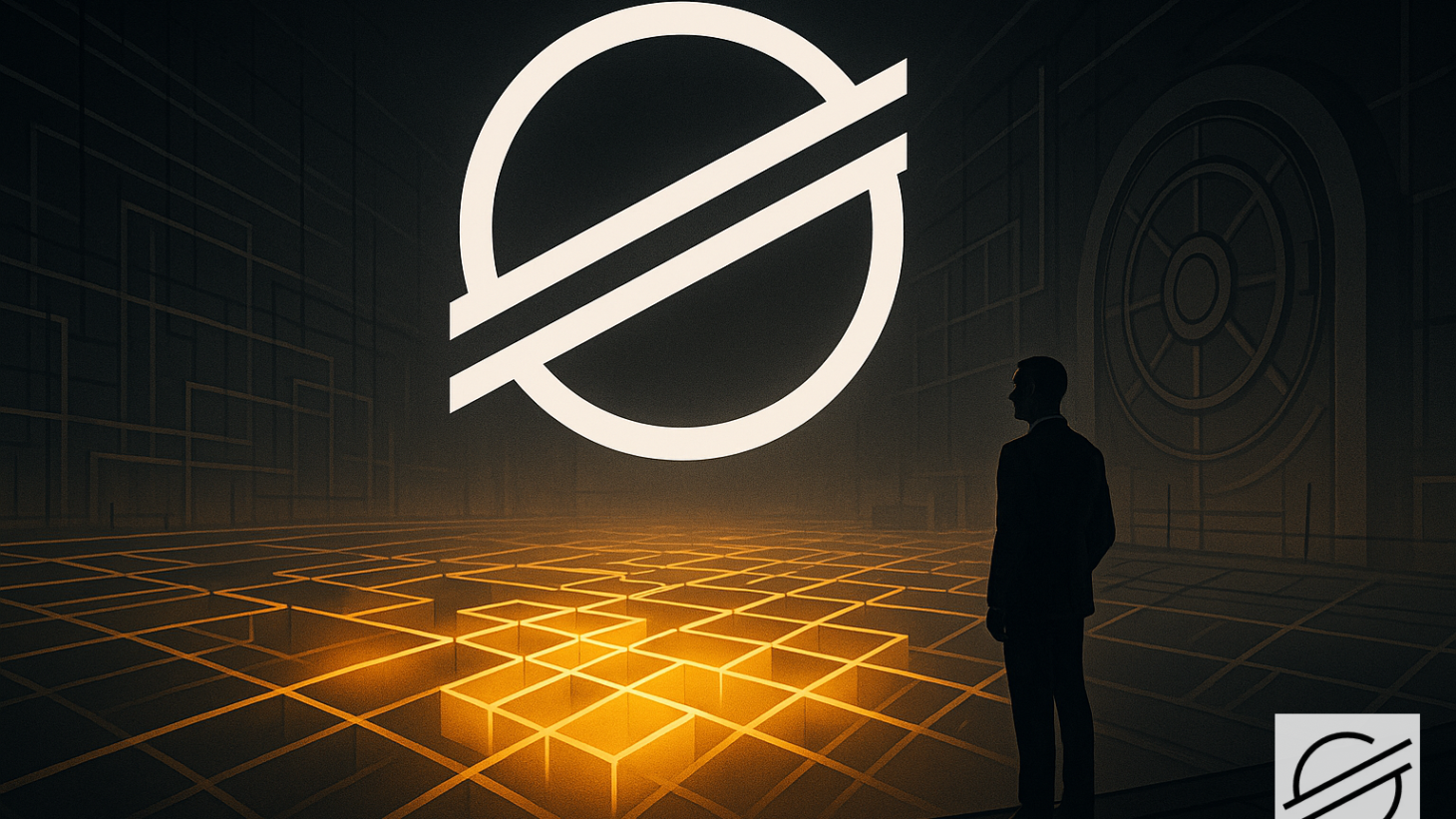
In an era where financial systems are rapidly evolving, Stellar (XLM) emerges as a pivotal player in the quest for global financial inclusion. Designed to bridge traditional banking infrastructure with the burgeoning world of digital currencies, Stellar is more than just a cryptocurrency; it’s a comprehensive open-source network that promises low-cost, near-instant cross-border payments and asset tokenization.
The Need for Stellar’s Financial Solutions
Traditional banking systems, while robust, often struggle with inefficiencies in cross-border transactions. These transactions are typically slow and expensive, a problem exacerbated by the need for intermediary banks. Stellar’s unique architecture, underpinned by the Stellar Consensus Protocol (SCP), offers a transformative solution. By eliminating the need for intermediaries, Stellar enables sub-second finality for transactions, drastically reducing costs.
Stellar’s Unique Features
Key to Stellar’s efficiency is the SCP, which utilizes a Federated Byzantine Agreement to achieve consensus without the resource-heavy mining process seen in networks like Bitcoin. This not only ensures fast transaction speeds but also aligns with the network’s goal of being an everyday financial highway, akin to public infrastructure.
Another cornerstone of Stellar’s ecosystem is its native token, Lumens ($XLM). Serving as the economic engine of the network, XLM is used to pay microscopic transaction fees, effectively deterring network spam while maintaining system integrity. Its role in facilitating fiat on/off ramps and asset tokenization further cements its utility within the ecosystem.
Real-World Applications and Integrations
Stellar’s impact is tangible, with significant institutional integrations driving real-world transaction volumes. Notably, partnerships with entities like MoneyGram have expanded Stellar’s reach, enabling a global cash-to-crypto network that enhances financial access in underserved regions. Similarly, Franklin Templeton’s tokenized funds demonstrate Stellar’s capability in asset tokenization, offering investors new avenues for portfolio diversification.
Developers globally are leveraging Stellar’s Soroban smart contracts, a high-performance, Rust-based platform optimized for secure enterprise execution. This has led to a thriving ecosystem of localized wallet solutions and cross-border payment applications, reinforcing Stellar’s position as a leader in financial inclusivity.
Challenges and Competitive Landscape
Despite its promising infrastructure, Stellar faces challenges in achieving widespread adoption among traditional financial institutions. The pressure to convince these entities to transition onto decentralized payment rails is significant. Furthermore, Stellar operates in a competitive landscape with other high-speed chains vying for market share, necessitating continuous innovation and strategic partnerships.
The Path Forward for Stellar
Looking ahead, Stellar’s focus on enhancing liquidity and developer incentives remains crucial. As the network expands, fostering user adoption through improved cross-border interoperability and seamless integration with existing financial systems will be key. The potential for Stellar to redefine financial inclusivity on a global scale is immense, contingent on its ability to navigate regulatory landscapes and technological advancements effectively.
In conclusion, Stellar’s role as a bridge between legacy banking and digital currencies is not merely theoretical. Its practical applications, robust protocol, and strategic alliances position it as a formidable force in the quest for a more inclusive financial world. As we watch this space, Stellar’s journey will undoubtedly offer insights into the future of global finance.