AAVE
 UNI
 SHIB
 AVAX
 SUI
 OKB
 CRO
 XLM
 NEAR
 WBT
 ZEC
 XMR
 USDT
 RAIN
 HYPE
 ADA
 BNB

 XRP
 ETH
 TRUMP
 BTC
 SOL
 GRAM
 DATA
 LINK
 TAO
 DASH
 XTZ
 ATTN
 DEV
 WLFI
 TRX
 ANSEM
 DOGE
 USDC
 USDG
 PYUSD
 CC
 PAXG
 FIGR_HELOC
 LTC
 ONDO
 RLUSD
 USD1
 USDD
 XAUT
 USDY
 LEO

In an era where digital payments are becoming increasingly integral to our daily lives, Dash stands out as a pioneering force in the realm of cryptocurrency. Launched in 2014, Dash offers a decentralized digital cash solution designed for fast, affordable, and private transactions. Unlike many cryptocurrencies that emphasize speculative investment, Dash’s main focus is on real-world utility, aiming to replace traditional cash with a more efficient, digital alternative.
The Core Features of Dash
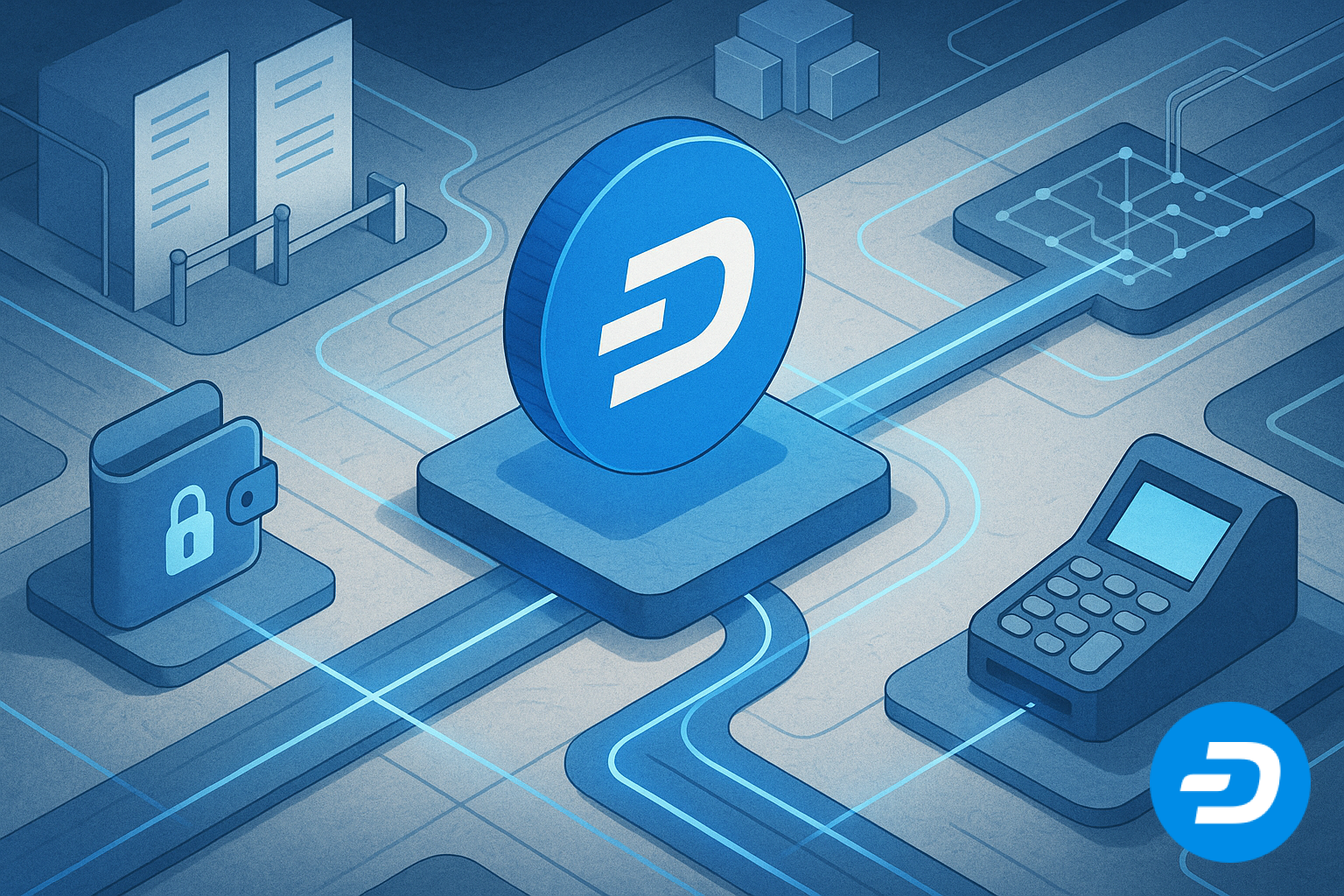
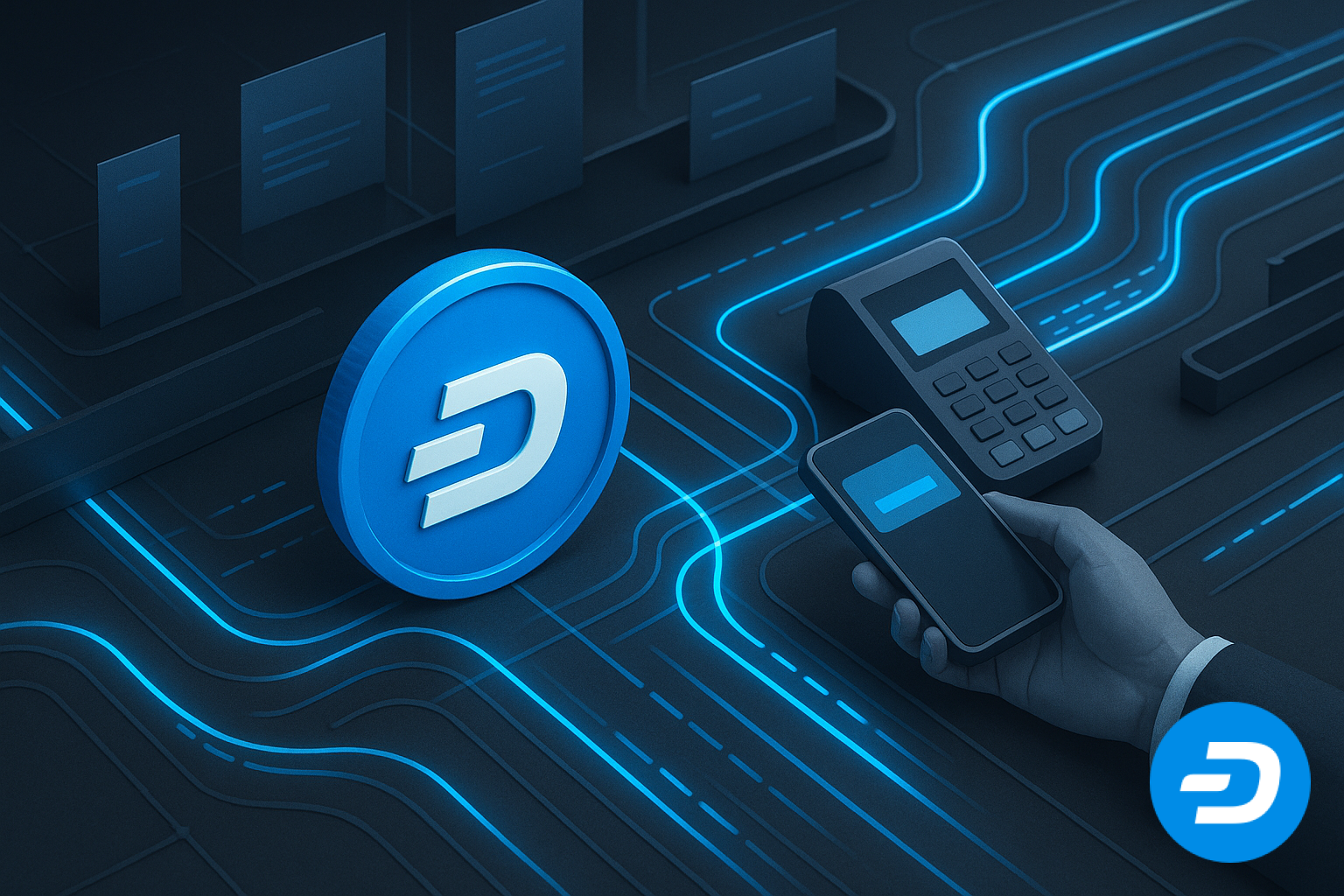
Dash’s unique value proposition lies in its dual-layer network architecture, which differentiates it from other cryptocurrencies. This system is powered by miners and specialized servers known as ‘Masternodes.’ These Masternodes play a crucial role in facilitating Dash’s InstantSend feature, allowing transactions to be confirmed in less than a second. This is a stark contrast to Bitcoin’s average confirmation time, which can range from 10 minutes to several hours depending on network congestion.
Moreover, Dash provides an optional privacy feature called CoinJoin, which enhances transaction anonymity. While privacy is a contentious topic in the cryptocurrency world, Dash offers users the choice to conduct transactions privately, catering to those who prioritize confidentiality without imposing it as a default feature.
Dash in the Global Payments Landscape
Dash’s impact is palpable across various sectors, especially among daily consumers, retail merchants, and unbanked populations. Its low transaction fees make it an attractive option for microtransactions, a crucial feature for small businesses and individuals in developing countries where banking services are limited or costly.
The network’s self-funding model also ensures continued development and marketing, keeping Dash at the forefront of innovation. This model allocates a portion of block rewards to a treasury for funding proposals, allowing the Dash community to vote on initiatives that could benefit the ecosystem.
Market Comparison and Positioning
While Dash shares some characteristics with Bitcoin, such as being a decentralized, peer-to-peer currency, it distinguishes itself through its focus on usability and speed. Where Bitcoin is often viewed as ‘digital gold,’ Dash positions itself as ‘digital cash,’ aiming to facilitate everyday transactions rather than serve as a store of value.
According to CoinMarketCap, Dash is among the top 100 cryptocurrencies by market capitalization, a testament to its sustained relevance and adoption. Its practical use cases make it a formidable player in the market, especially when compared to projects like Cardano, which are still in developmental phases for similar payment functionalities.
The Challenges Ahead
Despite its strengths, Dash faces challenges typical of the cryptocurrency market. Regulatory scrutiny poses a significant risk, as authorities worldwide continue to grapple with the implications of digital currencies. Additionally, market competition is fierce, with new projects and technologies constantly emerging, each vying for a slice of the digital payments pie.
Volatility is another concern, as it is for all cryptocurrencies. While Dash aims to be a stable medium of exchange, its value can fluctuate significantly, impacting its appeal as a daily transactional currency.
The Unanswered Question
As Dash continues to evolve, the critical question remains: Can it maintain its competitive edge in an ever-changing digital landscape? With its robust infrastructure and focus on practical utility, Dash appears well-positioned to adapt. However, as regulatory frameworks tighten and technological advancements accelerate, only time will tell if Dash can sustain its vision of becoming the go-to digital cash solution for the world.