 AAVE
AAVE UNI
UNI AVAX
AVAX SUI
SUI XLM
XLM NEAR
NEAR ZEC
ZEC XMR
XMR USDT
USDT HYPE
HYPE ADA
ADA BNB
BNB USDC
USDC DOGE
DOGE TRX
TRX XTZ
XTZ
 XRP
XRP
 ETH
ETH
 TRUMP
TRUMP
 BTC
BTC
 GRAM
GRAM
 SOL
SOL
 DATA
DATA
 LINK
LINK
 TAO
TAO
 DASH
DASH
 ATTN
ATTN
 DEV
DEV
 WLFI
WLFI
 ANSEM
ANSEM
 USDG
USDG
 PYUSD
PYUSD
 CC
CC
 RAIN
RAIN
 FIGR_HELOC
 PAXG
PAXG
 OKB
OKB
 XAUT
XAUT
 USDD
USDD
 LTC
LTC
 ONDO
ONDO
 RLUSD
RLUSD
 USD1
USD1
 WBT
WBT
 LEO
LEO
 USDY
USDY

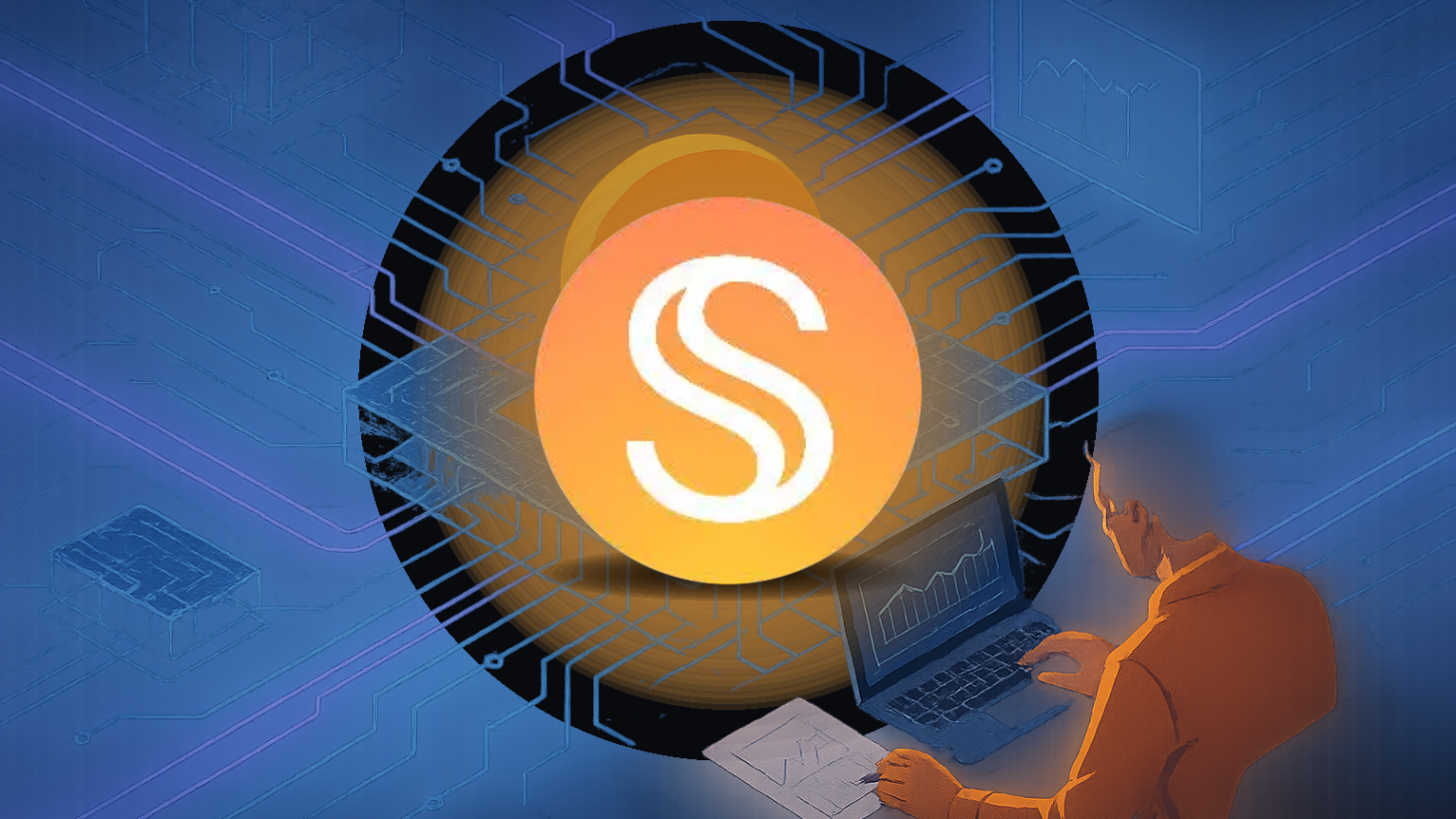
In the evolving world of cryptocurrency, USDS (Sky Dollar) stands out as a decentralized stablecoin, offering a resilient alternative to fiat-backed counterparts. Developed by the Sky Protocol (formerly MakerDAO), USDS is designed to maintain a stable 1:1 parity with the US Dollar through a transparent, multi-collateral on-chain backing. This infrastructure not only fortifies its stability but also provides seamless access to protocol-driven yield via the Sky Savings Rate.
Decentralized Stablecoin Infrastructure
Traditional stablecoins often rely on centralized entities to back their value with fiat reserves. In contrast, USDS utilizes a decentralized model, leveraging a diverse array of on-chain crypto-collateral and tokenized real-world assets. This approach not only enhances transparency but also mitigates the risks associated with centralized control, such as regulatory crackdowns and operational failures.
The decentralized nature of USDS is underpinned by the Sky Protocol’s governance structure, which involves decentralized voting weights held by SKY and MKR token pools. This ensures that decision-making is distributed among the community, further enhancing the resilience and stability of the USDS ecosystem.
Protocol Upgrades and On-Chain Capital Efficiency
A critical component of USDS’s value proposition is its ongoing protocol upgrades, which enhance on-chain capital efficiency. One such upgrade is the seamless token migration mechanism, allowing legacy DAI holders to instantly upgrade to USDS at any time. This dual-routing mechanism ensures a smooth transition and maintains the stablecoin’s utility across various DeFi platforms.
Additionally, the Sky Savings Rate (SSR) enables USDS holders to optimize their yield by directly supplying their tokens or converting them to sUSDS. This feature capitalizes on the protocol’s native smart contract yield, providing users with a stable and predictable return on their assets.
Market Impact and Comparisons
In a market largely dominated by fiat-backed stablecoins, USDS offers a distinct alternative that appeals to a growing segment of DeFi participants. Unlike its competitors, USDS’s decentralized architecture reduces reliance on traditional financial systems, offering a censorship-resistant unit of account that preserves purchasing power amidst crypto market volatility.
While other networks like Solana and Cardano continue to innovate with protocol enhancements and tokenization standards, USDS’s focus on decentralization and capital efficiency sets it apart. The recent developments in regulatory oversight, such as the EU’s MiCA rules, further highlight the importance of decentralized solutions like USDS in navigating the evolving landscape.
Potential Risks and Future Outlook
Despite its strengths, USDS is not without risks. As an entirely code-driven asset, it remains exposed to potential smart contract bugs and technical exploits. Additionally, the long-term adoption of USDS hinges on the successful transition and integration within the broader DeFi ecosystem.
Looking ahead, the continued evolution of the Sky Protocol and its commitment to decentralization and efficiency will be crucial in maintaining USDS’s competitive edge. As regulatory environments shift and the demand for decentralized financial solutions grows, USDS is well-positioned to capitalize on these trends.
In conclusion, USDS represents a significant advancement in the stablecoin sector, offering a decentralized, resilient alternative to fiat-backed options. Its focus on protocol upgrades and on-chain capital efficiency positions it as a key player in the future of decentralized finance. The condition that could confirm or weaken this thesis would be the sustained growth and adoption of USDS within the DeFi landscape, particularly amidst increasing regulatory scrutiny and market competition.