 AAVE
AAVE USDT
USDT ADA
ADA BNB
BNB TRX
TRX XTZ
XTZ DASH
DASH TAO
TAO TRUMP
TRUMP XRP
XRP TONCOIN
 SOL
SOL ETH
ETH LINK
LINK BTC
BTC DOGE
DOGE UNI
UNI

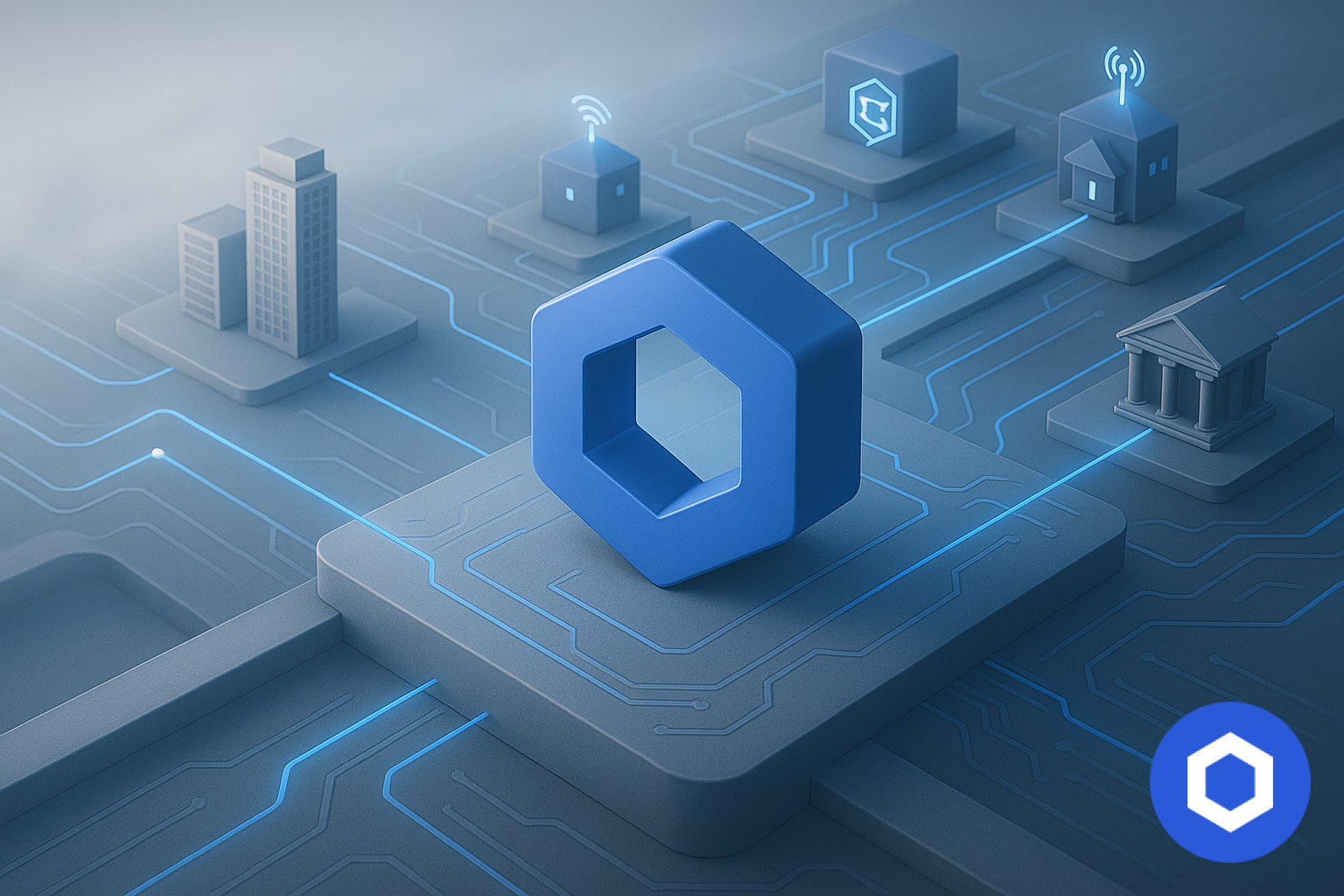
Chainlink has emerged as a cornerstone of blockchain technology, providing a crucial solution to the ‘oracle problem’ that plagues decentralized platforms. As blockchains inherently lack the ability to access off-chain data, Chainlink steps in as a decentralized oracle network, allowing smart contracts to interact with real-world information in a secure and reliable manner.
The Oracle Problem and Chainlink’s Solution
Blockchains, by design, are isolated systems that cannot natively communicate with external data sources. This limitation, known as the oracle problem, restricts the potential of smart contracts to automate interactions based on real-world events. Chainlink addresses this gap by offering a decentralized network of nodes that fetch, verify, and deliver data from off-chain sources to on-chain applications.
Key Features of Chainlink
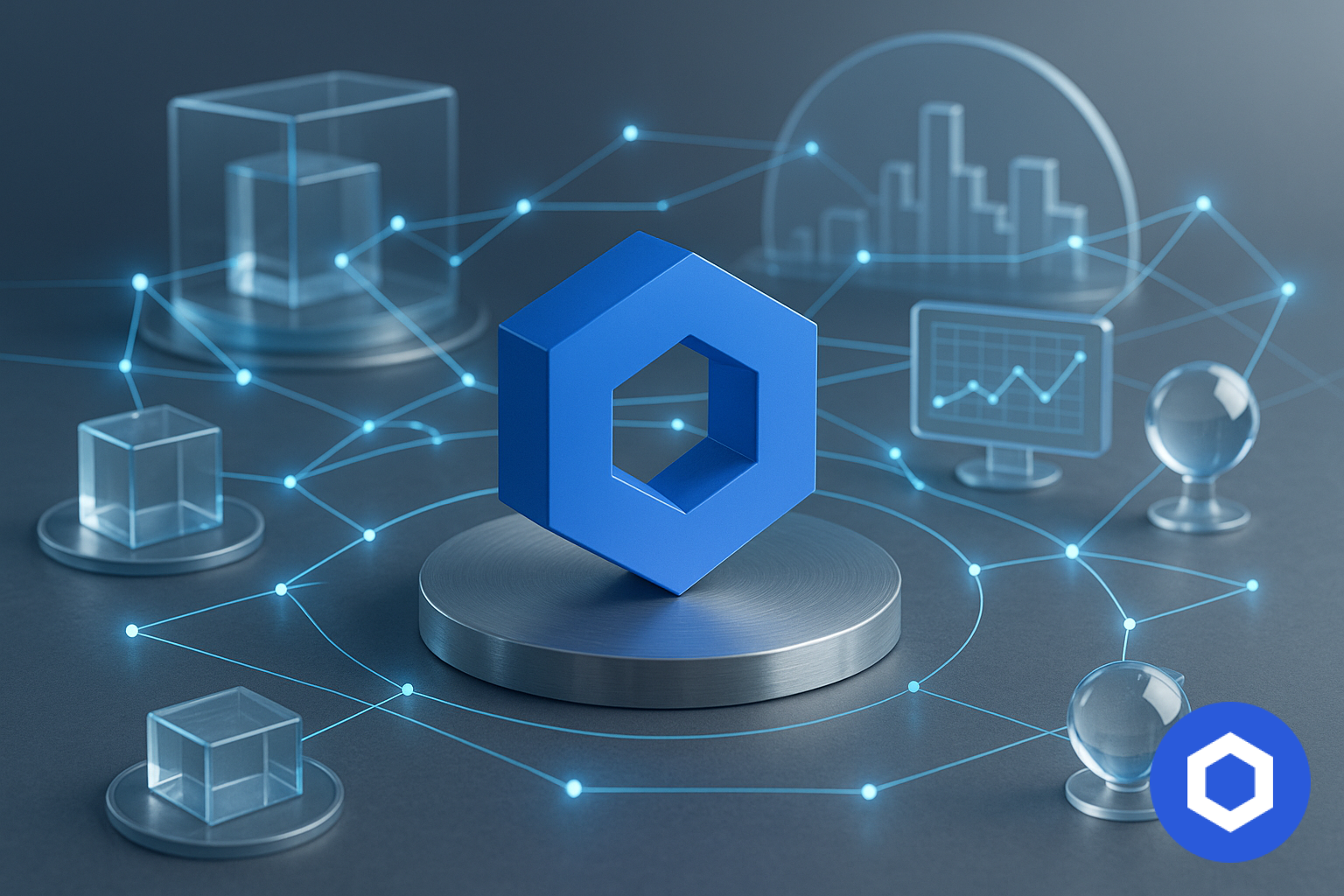
Chainlink’s decentralized oracle network is built on several key features that ensure its reliability and security:
- Decentralization: The network is composed of numerous independent nodes, reducing the risk of single points of failure and enhancing trust in the data provided.
- Security: Chainlink employs cryptographic techniques to ensure data integrity, preventing tampering or manipulation of information.
- Interoperability: Chainlink supports multiple blockchains, allowing seamless data flow across different platforms and enhancing cross-chain connectivity.
- Token Utility: The LINK token is intrinsic to Chainlink’s ecosystem, serving as a payment currency for node operators and collateral to ensure service quality.
Market Relevance and Ecosystem Growth
Chainlink has become an indispensable infrastructure layer within the blockchain ecosystem. Its role extends beyond mere data delivery, as it forms a comprehensive suite for data computation and cross-chain interoperability. By securing hundreds of billions of dollars in decentralized finance (DeFi) platforms, Chainlink has established itself as a reliable bridge between blockchain networks and real-world applications.
According to recent data, Chainlink’s network supports thousands of integrations across various blockchains and enterprises. This expansion is driven by the growing demand for decentralized oracles in an increasingly interconnected digital economy.
Challenges and Opportunities
While Chainlink offers numerous advantages, it also faces challenges and risks. Its position as the primary middleware for Web3 exposes it to systemic and operational risks. Moreover, the evolving regulatory landscape presents potential hurdles for Chainlink’s future growth. Nevertheless, the opportunities for further integration with traditional financial systems and emerging blockchain technologies remain vast.
Looking Ahead
As Chainlink continues to expand its ecosystem and refine its technology, it remains a pivotal player in the blockchain space. The network’s dedication to enhancing security, interoperability, and trust within decentralized systems positions it well for future developments. Stakeholders should keep an eye on Chainlink’s strategic partnerships and technological advancements, which will likely shape the trajectory of blockchain industries in the coming years.
In conclusion, Chainlink’s ability to bridge isolated blockchain networks with the real world makes it an essential component of the decentralized future. As the demand for reliable, tamper-proof data grows, Chainlink’s role in the ecosystem will only become more critical.
Great content!