 AAVE
AAVE UNI
UNI AVAX
AVAX SUI
SUI XLM
XLM NEAR
NEAR ZEC
ZEC XMR
XMR USDT
USDT ADA
ADA BNB
BNB USDC
USDC DOGE
DOGE TRX
TRX XTZ
XTZ ATTN
ATTN DASH
DASH
 XRP
XRP
 ETH
ETH
 TRUMP
TRUMP
 BTC
BTC
 GRAM
GRAM
 SOL
SOL
 DATA
DATA
 LINK
LINK
 TAO
TAO
 DEV
DEV
 WLFI
WLFI
 ANSEM
ANSEM
 USDG
USDG
 PYUSD
PYUSD
 CC
CC
 RAIN
RAIN
 FIGR_HELOC
 PAXG
PAXG
 HYPE
HYPE
 OKB
OKB
 LTC
LTC
 USDD
USDD
 ONDO
ONDO
 RLUSD
RLUSD
 XAUT
XAUT
 USD1
USD1
 WBT
WBT
 LEO
LEO
 USDY
USDY

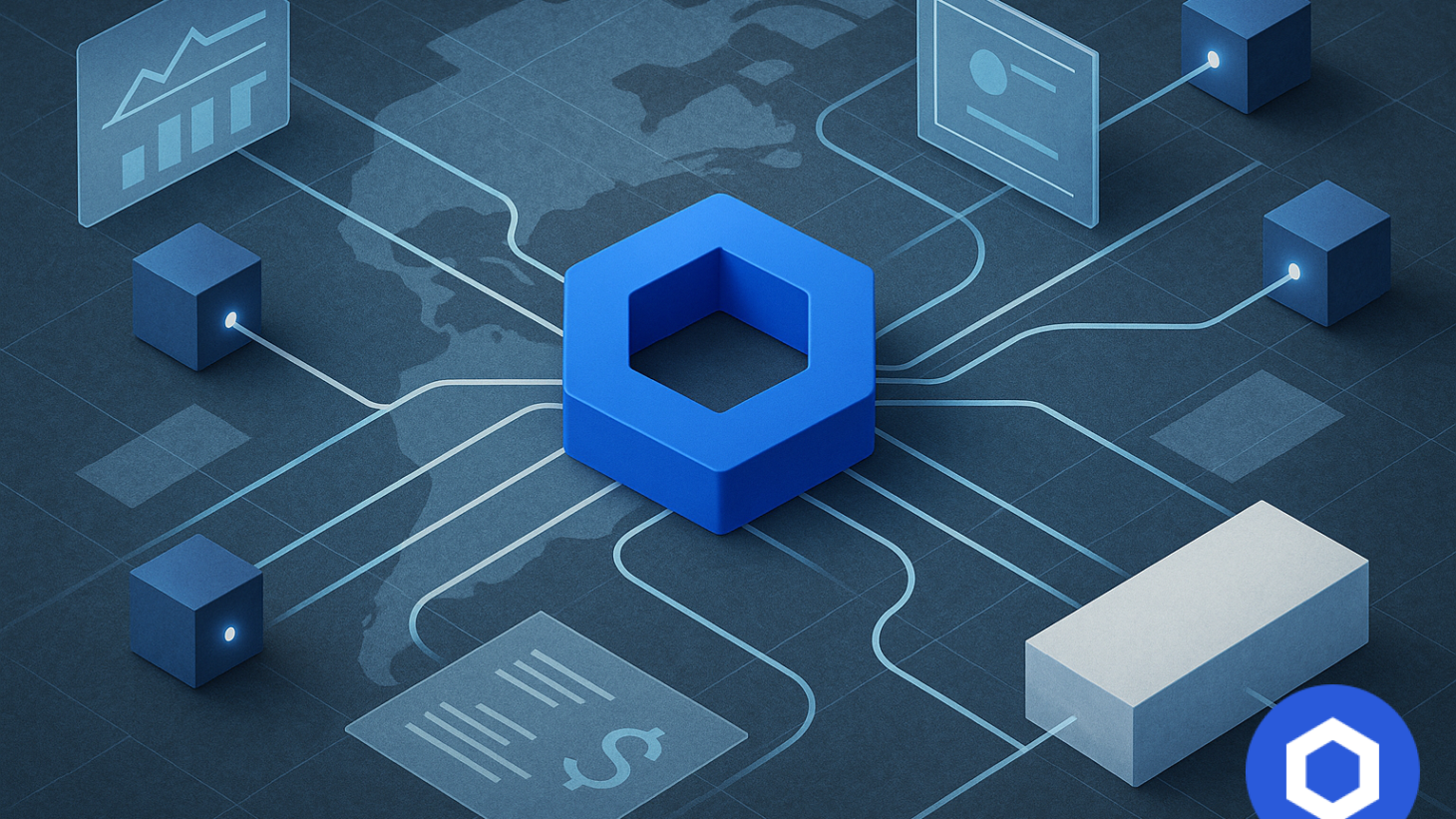
In the evolving landscape of blockchain technology, Chainlink has emerged as a pivotal player, providing critical infrastructure that connects decentralized networks with real-world data. As the demand for decentralized applications (dApps) and smart contracts grows, the need for reliable data feeds becomes increasingly vital. Chainlink addresses this necessity through its decentralized oracle networks, effectively solving the ‘oracle problem’ that has long posed challenges to blockchain systems.
Understanding the Oracle Problem
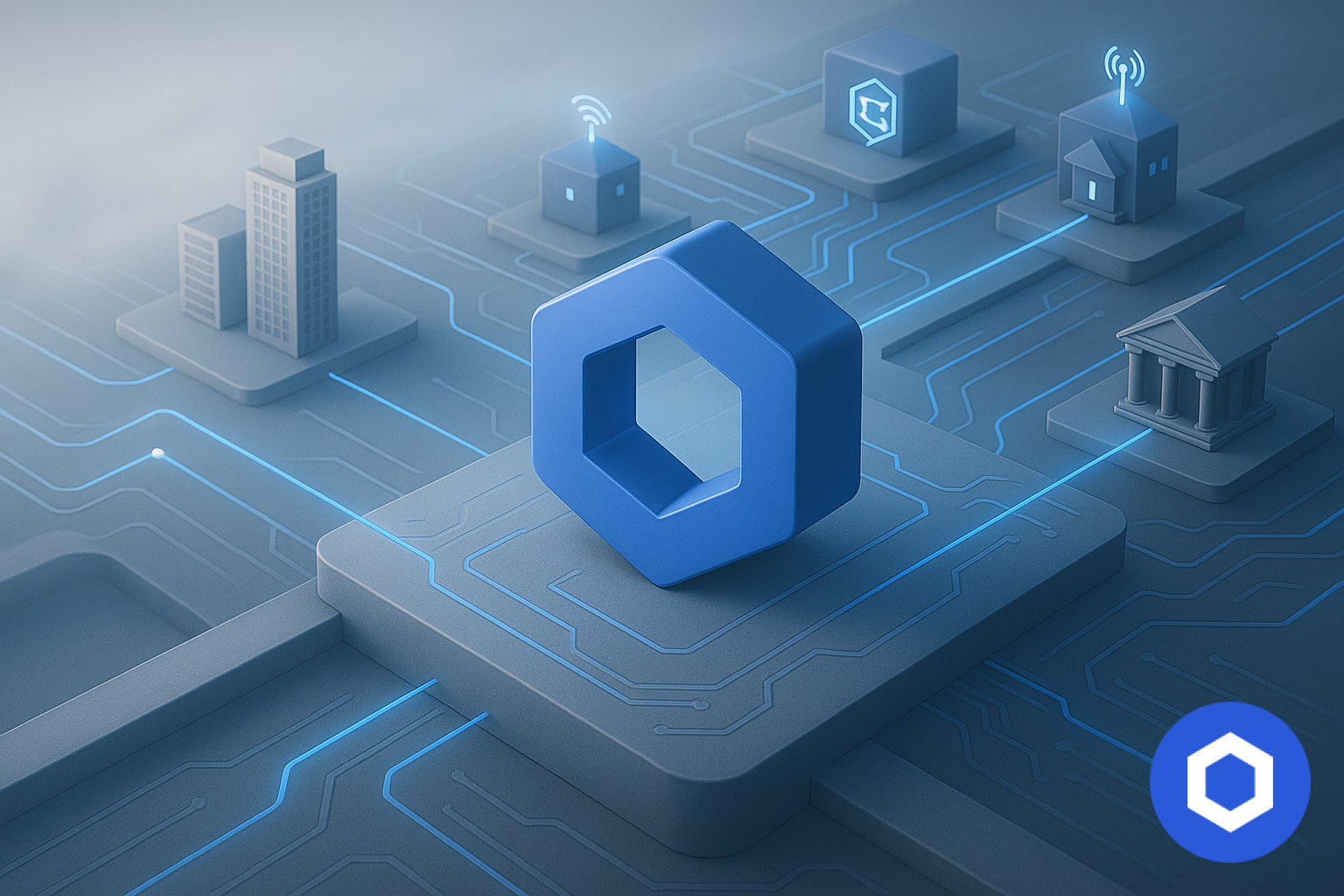
The oracle problem refers to the inability of blockchains to natively access external data. This limitation hampers the potential of smart contracts, which require real-world data to execute functions accurately. Chainlink’s decentralized oracle network acts as a secure bridge, enabling smart contracts to interact with off-chain data sources. This connectivity facilitates a wide range of applications, from decentralized finance (DeFi) to supply chain management, by providing verified, tamper-proof information that blockchain systems can trust.
Chainlink’s Key Features and Impact
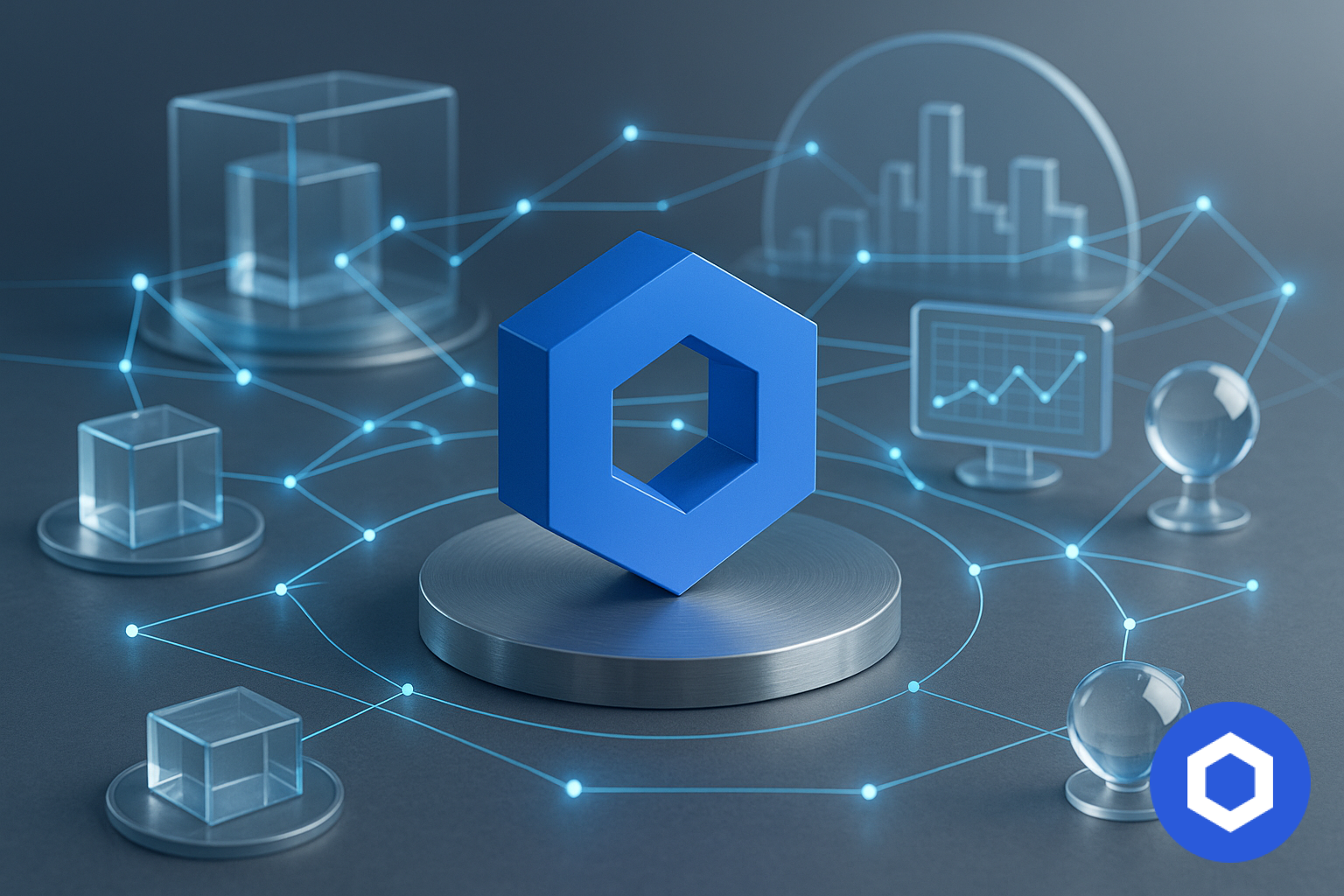
Chainlink’s oracle solutions extend far beyond simple data feeds. The platform’s comprehensive suite includes cross-chain interoperability, secure data delivery, and a decentralized computing network. These features position Chainlink as the industry-standard infrastructure layer, connecting diverse blockchain ecosystems with real-world applications. Currently, Chainlink’s network secures hundreds of billions of dollars in DeFi, underscoring its critical role in the blockchain ecosystem.
The LINK token is integral to Chainlink’s operations, serving as the native utility asset that powers the entire decentralized oracle network. LINK functions as a payment currency, collateral mechanism, and network security tool, incentivizing node operators to provide accurate and reliable data. This utility ensures the robustness and reliability of the Chainlink network, fostering trust among developers and enterprises that rely on the platform.
Tokenization and Chainlink
The recent news surrounding the U.S. Securities and Exchange Commission’s (SEC) delay in implementing the ‘innovation exemption’ for tokenization highlights the regulatory challenges facing the crypto industry. Tokenization, which involves converting real-world assets into digital tokens on a blockchain, represents a significant opportunity for Chainlink. By facilitating secure data feeds and interoperability, Chainlink can play a crucial role in the tokenization process, ensuring that tokenized assets are accurately represented and managed.
Despite regulatory hurdles, Chainlink’s technological foundation positions it well to capitalize on the growing trend of tokenization. As blockchain adoption accelerates across various sectors, Chainlink’s ability to provide reliable data and interoperability will be instrumental in bridging the gap between traditional finance and decentralized technologies.
Risks and Opportunities
While Chainlink’s position as a leading oracle provider offers numerous opportunities, it also exposes the platform to unique risks. As the primary middleware of Web3, Chainlink faces systemic, operational, and macroeconomic challenges. The platform’s reliance on decentralized node operators necessitates robust security measures to prevent data breaches and ensure network integrity.
Nevertheless, Chainlink’s strategic importance in the blockchain ecosystem presents significant growth prospects. As enterprises and developers increasingly recognize the value of decentralized data integration, Chainlink’s role as a trusted oracle provider is likely to expand. By continuing to innovate and enhance its offerings, Chainlink can maintain its competitive edge and drive the adoption of decentralized applications worldwide.
Great content!