AAVE
AAVE UNI
UNI SHIB
SHIB AVAX
AVAX SUI
SUI XLM
XLM NEAR
NEAR ZEC
ZEC XMR
XMR USDT
USDT HYPE
HYPE ADA
ADA BNB
BNB USDC
USDC DOGE
DOGE TRX
TRX ANSEM
ANSEM
 XRP
XRP
 ETH
ETH
 TRUMP
TRUMP
 BTC
BTC
 GRAM
GRAM
 SOL
SOL
 DATA
DATA
 LINK
LINK
 TAO
TAO
 DASH
DASH
 XTZ
XTZ
 ATTN
ATTN
 DEV
DEV
 WLFI
WLFI
 USDG
USDG
 CC
CC
 PYUSD
PYUSD
 PAXG
PAXG
 RAIN
RAIN
 FIGR_HELOC
 ONDO
ONDO
 RLUSD
RLUSD
 LTC
LTC
 OKB
OKB
 USDD
USDD
 XAUT
XAUT
 USD1
USD1
 WBT
WBT
 USDY
USDY
 LEO
LEO

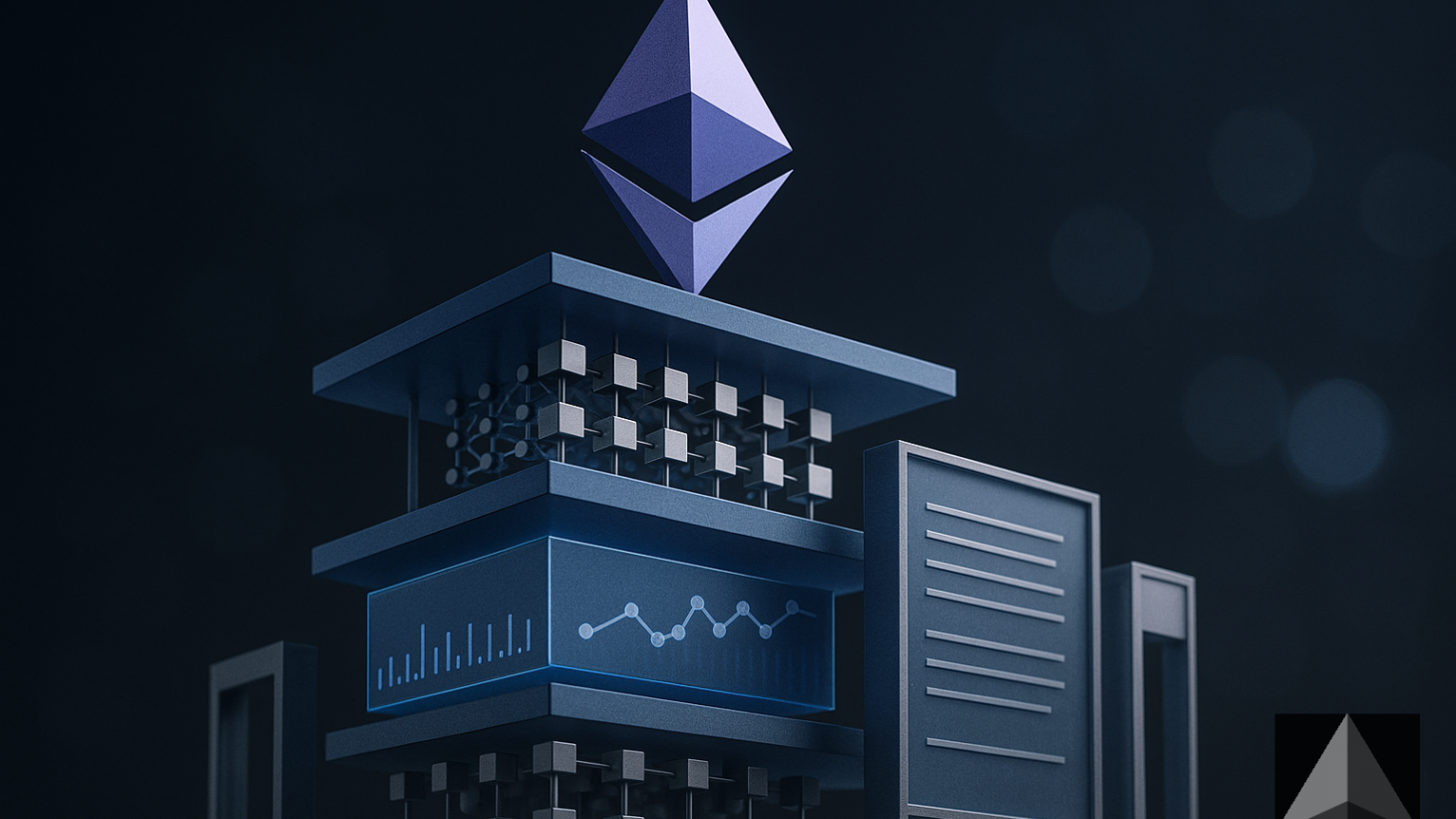
As the crypto landscape continues to evolve, Ethereum remains a pivotal player in the realm of decentralized computing and smart contracts. Unlike Bitcoin, which primarily functions as digital cash, Ethereum offers a global digital infrastructure that supports a wide array of applications beyond mere financial transactions. This capability has positioned Ethereum at the forefront of blockchain innovation, making it an indispensable asset for developers and enterprises alike.
Ethereum’s Decentralized Vision
Founded by Vitalik Buterin, Ethereum was designed to extend the paradigm of blockchain technology beyond simple monetary exchanges. Its decentralized network operates as a global computer, enabling developers to build and deploy smart contracts and decentralized applications (dApps). These smart contracts are self-executing, programmable pieces of code that automate processes and transactions, reducing the need for intermediaries and enhancing efficiency.
Growth and Adoption
Ethereum’s growth has been nothing short of remarkable. As of 2023, it hosts thousands of dApps across various sectors, including finance, gaming, and supply chain management. The Ethereum network’s utility is powered by its native cryptocurrency, Ether (ETH), which serves as digital fuel for executing transactions and smart contracts. This utility has driven ETH’s value and adoption, cementing its position as the second-largest cryptocurrency by market capitalization.
Staking and Network Security
With the transition to Ethereum 2.0, the network has adopted a proof-of-stake (PoS) consensus mechanism, replacing the energy-intensive proof-of-work (PoW) system. This shift enhances scalability and security while reducing environmental impact. Staking allows ETH holders to participate in network security by locking up their tokens and earning rewards. This not only incentivizes participation but also aligns the interests of network participants with the long-term success of the ecosystem.
Challenges and Risks
Despite its achievements, Ethereum faces several challenges. Scalability remains a pressing issue, with network congestion leading to high gas fees during peak usage. Additionally, the complexity of smart contract code can introduce vulnerabilities, posing security risks. Regulatory uncertainty also looms, as governments worldwide grapple with how to classify and regulate digital assets.
Comparative Market Analysis
While Bitcoin serves as a benchmark for digital currency, Ethereum offers a more versatile platform for innovation. According to industry data, Ethereum’s network processes significantly more transactions than Bitcoin, underscoring its role as a utility-focused blockchain. Recent developments, such as the SEC’s proposed regulatory framework, highlight the growing recognition of Ethereum’s importance in the broader crypto ecosystem.
Practical Implications
For developers and enterprises, Ethereum’s robust ecosystem offers a fertile ground for innovation. The ability to deploy programmable contracts on a decentralized network opens up new possibilities for automating business processes and creating novel applications. As the network continues to evolve, its potential to transform industries is vast, making it a critical component of the digital future.
In conclusion, Ethereum stands as a testament to the transformative power of blockchain technology. Its role in decentralized computing, smart contracts, and staking illustrates a future where digital infrastructure is open, programmable, and efficient. As challenges are addressed and the ecosystem matures, Ethereum’s influence will undoubtedly grow, solidifying its position as a cornerstone of the digital economy.