AAVE
 PAXG
 UNI
 PYUSD
 USDE
 FIGR_HELOC
 DAI
 BCH
 LTC
 HBAR
 SHIB
 USD1
 AVAX
 SUI
 OKB
 CRO
 CC

 XRP
 ETH
 TRUMP
 BTC
 SOL
 GRAM
 DATA
 LINK
 TAO
 DASH
 XTZ
 ATTN
 WLFI
 DEV
 TRX
 ANSEM
 BNB
 USDT
 ADA
 USDC
 DOGE
 ZEC
 USDG
 NEAR
 HYPE
 XMR
 XLM
 RAIN
 RLUSD
 ONDO
 XAUT
 USDD
 WBT
 USDY
 LEO

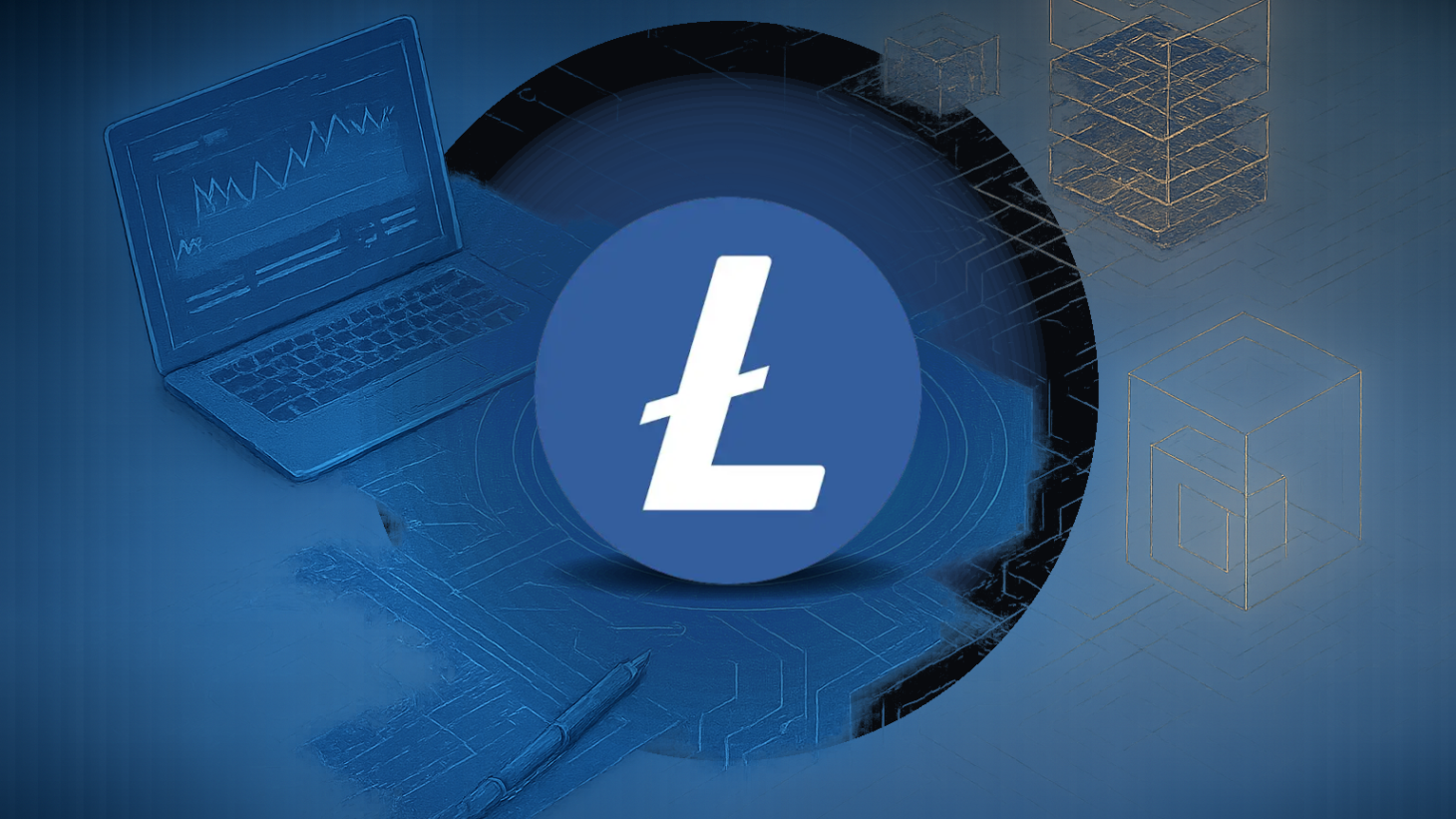
Litecoin (LTC) has long been heralded as the ‘digital silver’ to Bitcoin’s gold, but what truly sets it apart in the bustling cryptocurrency space is its foundational role in transforming global payments. Launched in 2011 by Charlie Lee, Litecoin was designed as a decentralized, peer-to-peer cryptocurrency, aiming to offer a fast, secure, and ultra-low-cost medium for digital transactions.
Understanding Litecoin’s Unique Framework
At the heart of Litecoin’s appeal is its Scrypt-based Proof-of-Work blockchain protocol. Unlike Bitcoin’s SHA-256, Scrypt is designed to be ASIC-resistant, promoting more decentralized mining. This ensures that Litecoin remains accessible to a wider array of miners, thereby maintaining a robust and secure network. Litecoin processes blocks every 2.5 minutes, significantly faster than Bitcoin’s 10-minute block time, allowing for quicker transaction confirmations.
Why Litecoin is the Go-To for Micro-Payments
Litecoin’s architecture makes it ideal for everyday global micro-payments. Its low transaction fees and rapid settlement times are crucial features, especially when scalability and cost are paramount. As a result, Litecoin has become a preferred choice for merchants worldwide, integrating seamlessly with payment processors like BitPay and PayPal.
Moreover, the integration of the MimbleWimble Extension Blocks (MWEB) in Litecoin offers enhanced privacy features, protecting user data while maintaining transparency—a balance that is crucial for both privacy-conscious users and regulatory compliance.
Litecoin vs. Bitcoin: A Comparative Analysis
While Bitcoin continues to dominate as a store-of-value, Litecoin excels as a transactional currency. Its network, boasting 100% uptime since inception, embodies reliability and efficiency. The distinction between Litecoin and Bitcoin lies in their utility; Bitcoin is often likened to gold, a secure reserve, whereas Litecoin, akin to silver, is valued for its practicality in commerce.
In terms of liquidity, Litecoin holds its ground as one of the most traded cryptocurrencies across Tier-1 exchanges. This liquidity ensures that Litecoin remains a viable option for both retail and institutional investors, facilitating a smooth entry and exit in the market.
Challenges and Future Prospects
Despite its advantages, Litecoin faces challenges typical of Proof-of-Work networks, including energy consumption concerns and competition from Proof-of-Stake platforms which are often perceived as more eco-friendly. Nevertheless, Litecoin’s focus on stable and secure payment utility over speculative potential positions it uniquely in the market.
Looking ahead, the ongoing development of its ecosystem, including potential DeFi integrations and smart contract capabilities, signals a promising future. As the cryptocurrency landscape evolves, Litecoin’s role as a dependable, everyday transactional currency is reaffirmed, making it a cornerstone in the digital payment revolution.
For investors and users alike, keeping an eye on Litecoin’s advancements, particularly in privacy features and network scalability, will be key to understanding its long-term viability and impact on global financial systems.