AAVE
AAVE UNI
UNI AVAX
AVAX SUI
SUI XLM
XLM NEAR
NEAR ZEC
ZEC XMR
XMR USDT
USDT ADA
ADA BNB
BNB USDC
USDC DOGE
DOGE TRX
TRX XTZ
XTZ ATTN
ATTN DASH
DASH
 XRP
XRP
 ETH
ETH
 TRUMP
TRUMP
 BTC
BTC
 GRAM
GRAM
 SOL
SOL
 DATA
DATA
 LINK
LINK
 TAO
TAO
 DEV
DEV
 WLFI
WLFI
 ANSEM
ANSEM
 USDG
USDG
 PYUSD
PYUSD
 CC
CC
 RAIN
RAIN
 FIGR_HELOC
 PAXG
PAXG
 HYPE
HYPE
 OKB
OKB
 LTC
LTC
 USDD
USDD
 ONDO
ONDO
 RLUSD
RLUSD
 USD1
USD1
 XAUT
XAUT
 WBT
WBT
 LEO
LEO
 USDY
USDY

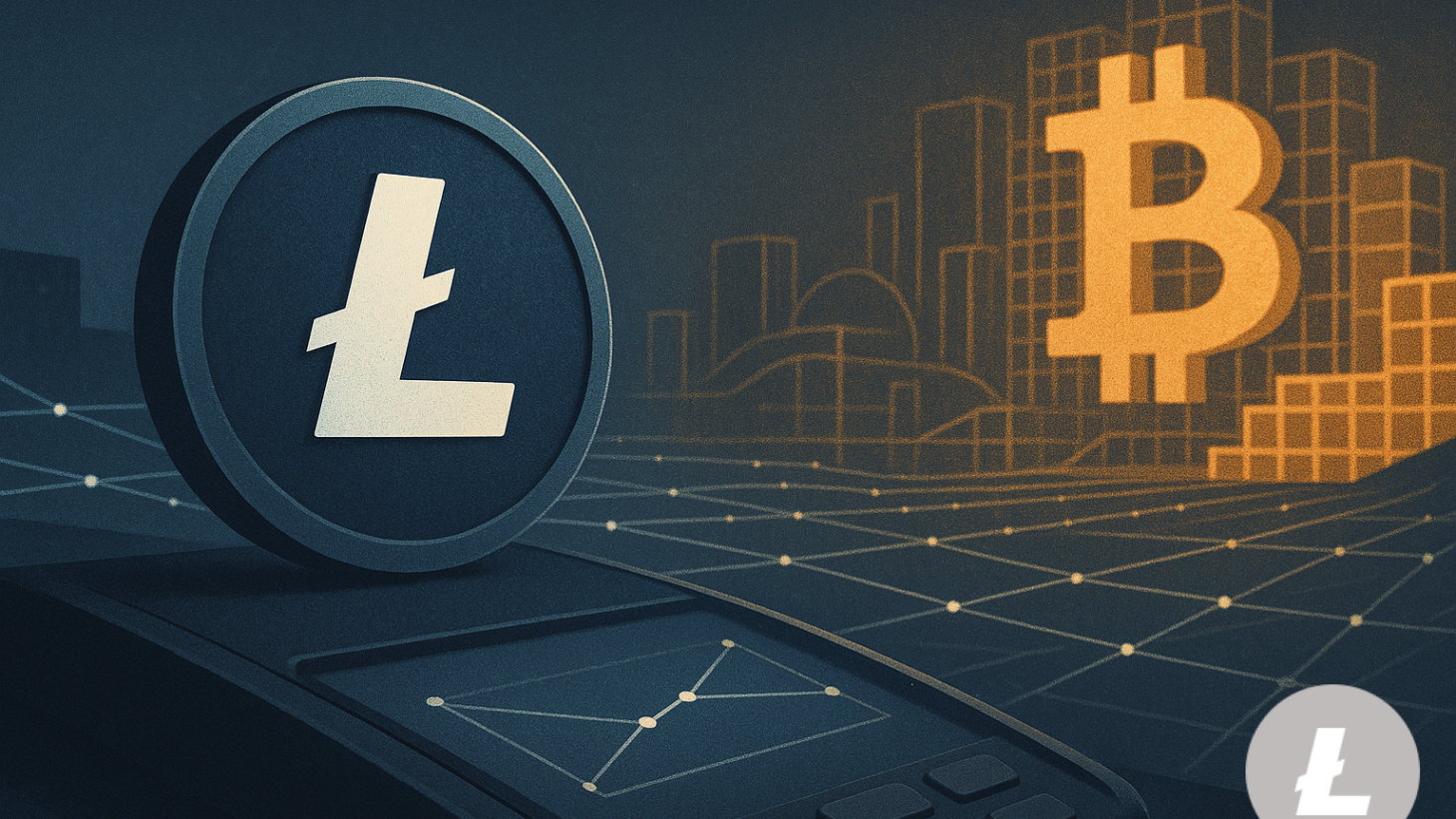
In the rapidly evolving world of cryptocurrency, Litecoin (LTC) has carved out a significant niche as the ‘digital silver’ counterpart to Bitcoin’s ‘digital gold’. Introduced in 2011 by Charlie Lee, Litecoin is designed as a decentralized, peer-to-peer digital currency tailored for fast, secure, and cost-effective global transactions. As it continues to optimize near-instant transactions and micro-payments, Litecoin stands out for its reliability and utility.
The Core Strengths of Litecoin
Litecoin’s robust architecture is underpinned by its Scrypt-based Proof-of-Work (PoW) blockchain protocol. This approach not only ensures security but also democratizes mining by being ASIC-resistant, promoting decentralization. With a block generation time of just 2.5 minutes, Litecoin is four times faster than Bitcoin, making it particularly appealing for everyday transactions.
Another standout feature is the MimbleWimble Extension Blocks (MWEB), which enhance privacy options for users, allowing for confidential transactions. This gives Litecoin an edge in terms of user privacy, a growing concern in the digital age.
Market Positioning and Liquidity
Litecoin’s role as ‘digital silver’ is not merely metaphorical. It offers a practical solution for users seeking a transactional currency with low fees and high liquidity. The coin is widely accepted by global merchants, providing a seamless payment solution across various platforms. Institutional payment processors such as BitPay and PayPal have integrated Litecoin, attesting to its reliability and global reach.
Furthermore, Litecoin boasts deep liquidity across all Tier-1 exchanges, ensuring ease of access and trade for both retail and institutional investors. This liquidity is crucial for maintaining its stability and utility in the volatile crypto markets.
Comparative Analysis with Bitcoin
While Bitcoin is often viewed as a store of value, akin to gold, Litecoin’s utility is in its transactional efficiency. It addresses Bitcoin’s scalability issues by drastically reducing transaction costs to mere fractions of a cent. This makes Litecoin an attractive option for micro-payments and everyday use, where transaction speed and cost are paramount.
Yet, despite its advantages, Litecoin does not attract the same speculative fervor as Bitcoin. This could be seen as a double-edged sword: while it results in less volatility, it also means that Litecoin does not experience the same level of retail hype.
Risks and Opportunities
Litecoin’s focus on being a stable, secure payment utility is both its strength and its limitation. It may not attract speculative capital inflows to the same degree as high-yield Proof-of-Stake platforms, but its consistent performance and 100% network uptime since launch provide a strong foundation for its continued use.
The introduction of privacy features through MWEB presents new opportunities for user adoption among those prioritizing privacy. However, increased regulatory scrutiny around privacy coins could pose future challenges.
In conclusion, Litecoin continues to serve as a foundational pillar in the cryptocurrency ecosystem. Its unique position as ‘digital silver’ complements Bitcoin, offering a reliable and efficient solution for global payments. As the landscape of digital currencies evolves, Litecoin’s commitment to fast, secure, and low-cost transactions ensures its relevance and utility in the future.