 XTZ
XTZ DASH
DASH TAO
TAO TRUMP
TRUMP XRP
XRP TONCOIN
 SOL
SOL ETH
ETH LINK
LINK BTC
BTC WLFI
WLFI RICH
RICH DEV3
DEV3 ATTN
ATTN




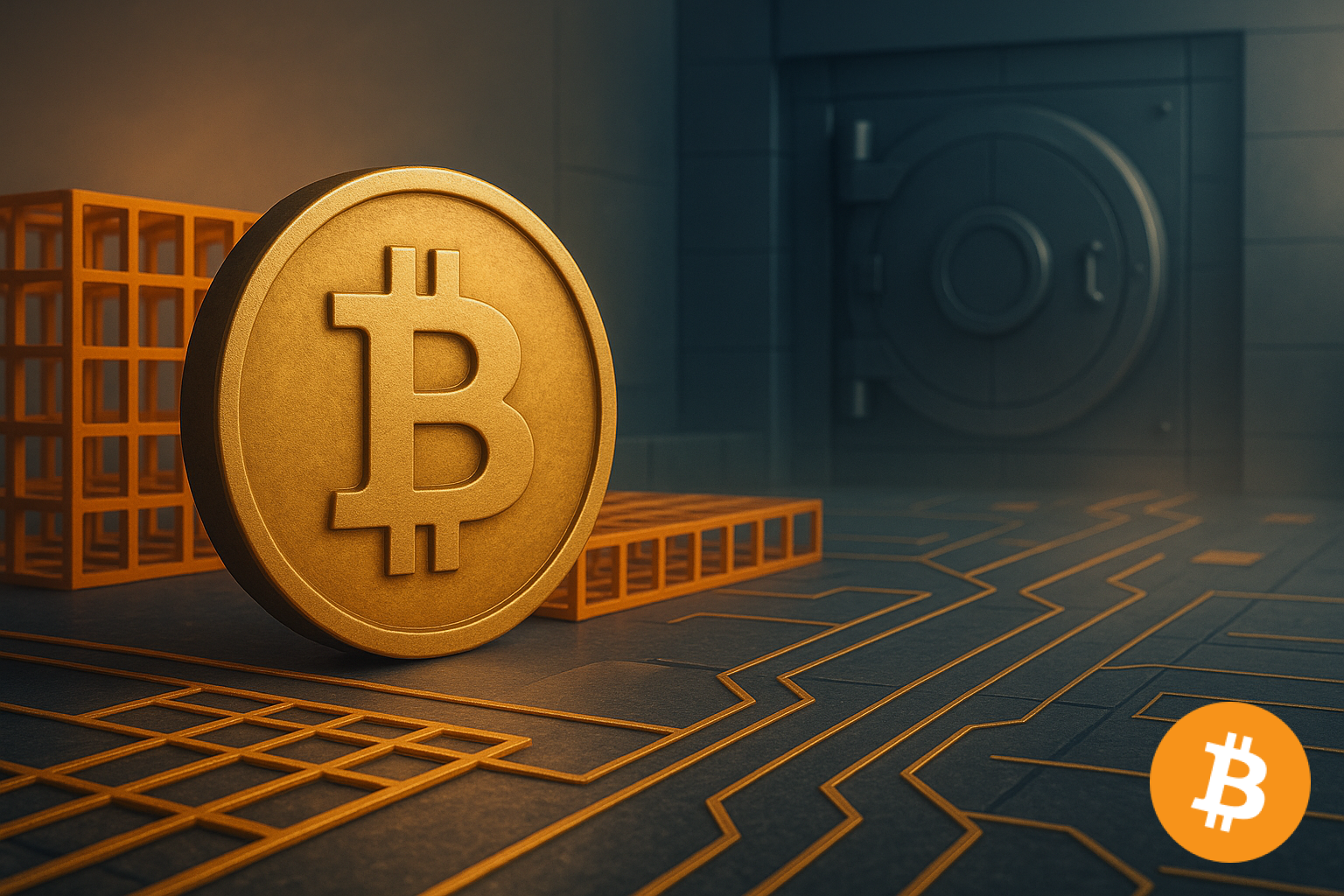
Bitcoin’s Long-Term Growth Amid Market Volatility
In the ever-evolving landscape of digital finance, Bitcoin stands as a beacon of decentralized digital money, boasting a robust history of both triumphs and trials. Its journey is marked by significant volatility and unparalleled growth, driving financial enthusiasts and skeptics alike to ponder its future trajectory.
The Decentralized Nature of Bitcoin
Bitcoin, the pioneer of decentralized digital currency, operates without a central bank or single administrator. This decentralization offers users the ability to engage in peer-to-peer transactions without intermediaries, challenging traditional financial systems. With its supply capped at 21 million coins, Bitcoin ensures absolute digital scarcity, protecting against inflation—a key feature that attracts many investors.
Market Volatility: A Double-Edged Sword
Bitcoin’s price volatility is both its allure and its challenge. As of July 2026, Bitcoin has demonstrated a resilient rebound, climbing above $63,000 and reversing previous losses. Such fluctuations are not uncommon and often reflect broader market dynamics. For instance, Article 5 from CoinDesk highlights how Bitcoin’s recent price surge coincides with a shift in investor focus from declining memory and semiconductor stocks back to digital assets like Bitcoin.
However, this volatility brings risks, including the potential for sudden financial losses and regulatory uncertainties. The market’s global and continuous nature means that prices can swing dramatically, influenced by factors ranging from technological advancements to geopolitical shifts.
Long-Term Growth and Adoption
Despite its volatility, Bitcoin’s long-term growth potential remains significant. Historical patterns suggest a resilience that attracts long-term investors. Article 6 from CoinDesk points out that the current cycle has seen a 689% gain from $697 billion in new money, indicating a robust growth trajectory compared to previous cycles.
Moreover, Bitcoin’s role as a secure store of value and a censorship-resistant medium of exchange underscores its utility. As more institutional investors and retail users embrace Bitcoin, its adoption continues to expand, further solidifying its position in the financial ecosystem.
Quantum Computing: A Looming Threat?
In the backdrop of Bitcoin’s growth narrative, the potential threat of quantum computing looms. Article 1 from CoinDesk discusses the debate over whether Satoshi Nakamoto’s 1.1 million bitcoins should be frozen to prevent theft by quantum computers. While some experts, like Binance founder Changpeng Zhao, advocate for preventative measures, others argue against such drastic actions, emphasizing the resilience of Bitcoin’s underlying cryptography.
This debate reflects a broader concern about technological advancements outpacing existing security measures. However, the Bitcoin community’s proactive approach to potential threats demonstrates its commitment to maintaining the network’s integrity.
Practical Implications for the Bitcoin Ecosystem
The interplay between Bitcoin’s growth potential and market volatility presents both opportunities and challenges. Investors must navigate these waters with a keen understanding of the market dynamics and technological innovations that could impact Bitcoin’s future.
For developers and users, the continued evolution of the Bitcoin ecosystem offers both incentives and responsibilities. Developer incentives to enhance Bitcoin’s scalability and security are crucial, particularly as the demand for faster and cheaper transactions grows. The adoption of Layer 2 solutions, like the Lightning Network, exemplifies efforts to meet these demands.
In conclusion, while Bitcoin’s journey is fraught with volatility, its foundational principles of decentralization, scarcity, and security position it as a formidable player in the digital financial landscape. As investors, developers, and users continue to engage with this revolutionary asset, Bitcoin’s long-term growth potential remains promising, tempered by the ever-present challenges of volatility and technological threats.
Reviews
User Score
Rate This
Sharing
Tags








Bitcoin’s Long-Term Growth Amid Market Volatility
Bitcoin, the pioneering decentralized digital currency, continues to capture the attention of tech enthusiasts and financial investors alike. Known for its revolutionary nature and potential for long-term growth, Bitcoin operates without a central authority, offering a unique form of financial independence and protection against inflation. However, this digital asset is not without its challenges, particularly in the realm of market volatility.
Decentralization: The Core of Bitcoin
At its core, Bitcoin’s decentralized nature is what sets it apart from traditional currencies. Operating on a blockchain network, Bitcoin transactions are verified by network nodes through cryptography and recorded in a public ledger. This system allows for peer-to-peer transactions without the need for intermediaries like banks, offering a level of financial sovereignty that is unmatched by conventional fiat currencies.
Market Volatility: A Double-Edged Sword
While the decentralized nature of Bitcoin offers numerous benefits, it also contributes to its notorious market volatility. Recent articles, such as those from CoinDesk, highlight Bitcoin’s fluctuating price movements, which have seen it trade below key support levels. For instance, Bitcoin’s correlation with the dollar-yen exchange rate has reached an unusually strong negative correlation, indicating complex interactions with global currency markets.
Moreover, Bitcoin’s price has been affected by macroeconomic factors such as the strength of the U.S. dollar. As reported, the Japanese yen’s decline to a 40-year low against the dollar has placed additional pressure on Bitcoin’s price. This interplay of global economic forces underscores the volatility inherent in Bitcoin trading.
Institutional Involvement and Market Dynamics
Despite its volatility, Bitcoin’s long-term growth prospects remain promising, particularly as institutional participation in the market increases. According to Silicon Valley Bank, Bitcoin lending is entering a new institutional era. Post-2022, stronger risk controls and growing institutional interest have emerged, paving the way for potentially lower borrowing costs and enhanced market stability.
However, the market is not without its challenges. Articles have noted an overhang of $4.4 billion in Bitcoin supply, which has emerged as institutional demand has waned. This development could signal a shift in market dynamics, where supply-side pressures may influence Bitcoin’s price trajectory in the near term.
The Path Forward: Opportunities and Challenges
Looking ahead, Bitcoin’s ability to navigate market volatility while capitalizing on long-term growth opportunities will be closely watched. The use of Layer 2 scaling solutions, such as the Lightning Network, demonstrates Bitcoin’s evolving ecosystem and its efforts to address scalability and transaction cost issues.
However, market participants must remain vigilant regarding potential risks, including regulatory changes and the permanent nature of self-custody errors. The global and continuous nature of Bitcoin trading means that sudden price swings can result in significant financial losses for unprepared investors.
Conclusion: A Forward-Looking Watch Point
Ultimately, Bitcoin’s journey is characterized by a delicate balance between embracing its decentralized ethos and managing market volatility. As the cryptocurrency landscape continues to evolve, Bitcoin remains at the forefront, offering both challenges and opportunities for those willing to navigate its complexities. Investors and enthusiasts alike will need to keep a close eye on institutional trends, regulatory developments, and macroeconomic factors that could shape Bitcoin’s future trajectory.
Tags


Leave your comment
You must be logged in to post a comment.
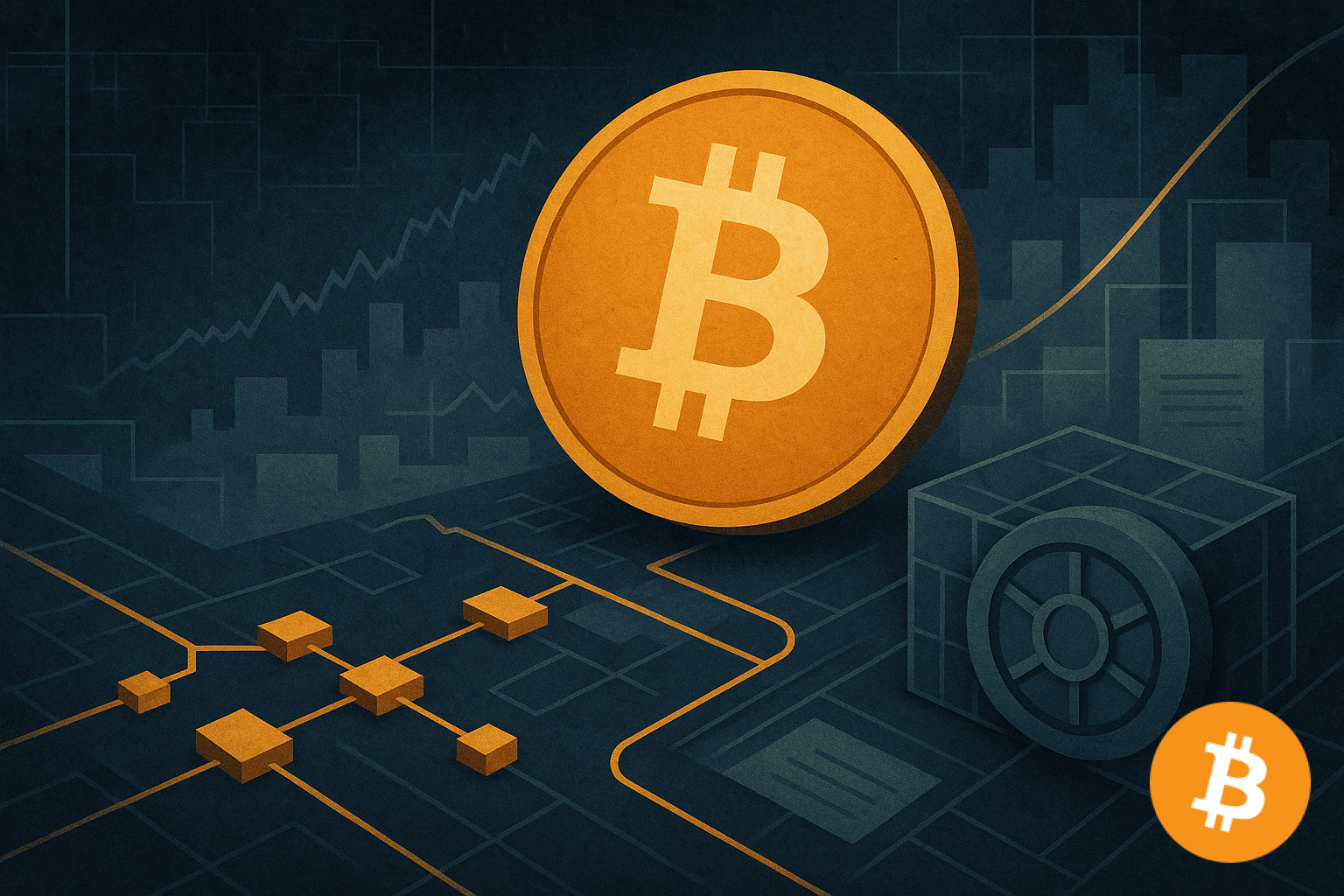
Bitcoin’s Long-Term Growth Amid Market Volatility
Bitcoin, the pioneering decentralized digital currency, continues to captivate investors and enthusiasts alike with its potential for long-term growth despite the inherent market volatility. Recent market trends and analysis reveal both challenges and opportunities for Bitcoin, emphasizing its dual role as a medium of exchange and a store of value.
Bitcoin’s Market Landscape
Bitcoin has experienced significant fluctuations in its value, a characteristic that has both intrigued and intimidated investors. As of recent reports, the cryptocurrency has faced downward pressure, with its value falling below $63,000. This decline is partly attributed to broader market sell-offs and specific concerns about the financial health of cryptocurrency miners.
Notably, approximately 20% of Bitcoin miners are currently operating at a loss. In the first quarter of the year, publicly traded miners sold over 32,000 Bitcoin to cover operational costs, marking a substantial increase from previous years. This selling pressure underscores the volatile nature of the Bitcoin market, where external economic factors and operational costs can significantly impact prices.
Adoption and Liquidity
Despite these challenges, Bitcoin’s adoption continues to grow. Initiatives like GoMining’s GoBTC Pay aim to facilitate broader acceptance of Bitcoin for everyday transactions. This development highlights a critical aspect of Bitcoin’s ecosystem: its liquidity. As more merchants and consumers adopt Bitcoin, its liquidity improves, reducing volatility and fostering stability.
Furthermore, proposals such as Franklin Templeton’s ETFs turning corporate dividends into Bitcoin suggest increasing institutional interest, which could further enhance Bitcoin’s liquidity and adoption. These developments are crucial for Bitcoin’s long-term growth, as they indicate a maturing market with increasing investor confidence.
Developer Incentives and User Behavior
The Bitcoin ecosystem is not only about market transactions but also about the underlying technology and community. Developer incentives play a significant role in the continued evolution of Bitcoin. The network’s open-source nature encourages innovation, leading to enhancements like the Lightning Network, which improves transaction speeds and reduces costs.
User behavior also influences Bitcoin’s market dynamics. The current trend of traders placing bearish bets suggests caution in the face of potential market downturns. However, this behavior also points to the sophistication of Bitcoin’s market participants, who are increasingly using advanced financial instruments to hedge against volatility.
Risks and Opportunities
Bitcoin’s journey is fraught with risks, primarily stemming from its price volatility and regulatory uncertainties. The cryptocurrency’s decentralized nature presents unique challenges in terms of governance and compliance with international regulations. Furthermore, the permanent nature of self-custody errors poses a significant risk to individual investors.
However, these risks are balanced by substantial opportunities. Bitcoin’s fixed supply cap of 21 million units provides absolute digital scarcity, offering protection against inflation and currency devaluation. This feature positions Bitcoin as a potential hedge in uncertain economic times, appealing to both retail and institutional investors.
In conclusion, Bitcoin’s long-term growth prospects remain robust despite market volatility. Its evolving ecosystem, driven by adoption, liquidity, and innovation, continues to attract attention from diverse sectors. As the market matures, Bitcoin is poised to solidify its role as both a revolutionary financial instrument and a reliable store of value.
Tags






Leave your comment
You must be logged in to post a comment.

Bitcoin’s Long-term Growth Amid Market Volatility
Bitcoin, the world’s first decentralized digital currency, continues to capture the imagination and investment of individuals and institutions alike. Operating without a central bank, Bitcoin offers a revolutionary way to transact, bypassing traditional financial systems. However, its journey has been marked by significant market volatility, which both intrigues and intimidates potential investors.
Bitcoin’s Unique Proposition
Bitcoin’s appeal lies in its foundational principles: decentralization, security, and digital scarcity. With a fixed supply cap of 21 million coins, Bitcoin provides a hedge against inflation, a feature that has become increasingly attractive in today’s economic climate. The concept of absolute digital scarcity is something that fiat currencies, subject to government printing, cannot offer. This scarcity, combined with its decentralized nature, provides a form of financial independence not seen in traditional currency systems.
Market Dynamics and Volatility
Despite its promise, Bitcoin’s price history is characterized by extreme volatility. Recent data from the market shows that in June, Bitcoin suffered a significant downturn, resulting in $8.6 billion in options being out of the money. Such volatility often leaves investors wary, highlighting the risks associated with investing in Bitcoin. It is crucial for investors to understand that while Bitcoin can offer substantial returns, it also carries the potential for considerable losses.
Market dynamics are influenced by several factors, including regulatory news, macroeconomic trends, and technological advancements within the crypto ecosystem. For instance, Bitcoin’s price can be affected by decisions made by the Federal Reserve, as seen when markets turned their focus to the Fed amid fluctuating oil prices. The interplay between Bitcoin and traditional financial markets underscores its emerging role as a financial asset.
Long-term Growth Prospects
Despite short-term volatility, the long-term growth prospects of Bitcoin remain strong. High-profile endorsements from figures like Mexican billionaire Ricardo Salinas Pliego, who advocates for a significant portion of one’s investment portfolio to be in Bitcoin, underscore its potential as a long-term store of value. Salinas’s confidence in Bitcoin over traditional assets like real estate highlights a growing sentiment among investors who view Bitcoin as a strategic hedge against inflation and economic uncertainty.
Moreover, technological advancements within the Bitcoin ecosystem, such as the Lightning Network, are enhancing transaction speeds and reducing costs, making Bitcoin more practical for everyday use. These developments not only increase Bitcoin’s utility as a medium of exchange but also strengthen its position as a reliable financial infrastructure.
Challenges and Risks
However, the path to widespread adoption is not without challenges. Bitcoin faces regulatory scrutiny worldwide, with governments grappling to understand and control its impact on national economies. Additionally, the permanent nature of self-custody errors poses a risk to users, emphasizing the need for robust security measures and user education.
Furthermore, as Bitcoin miners pivot towards integrating AI technologies, they face a $50 billion reality check. This shift reflects the broader trend of diversification within the crypto space, driven by the pursuit of sustainable revenue streams. However, execution risks associated with such transitions cannot be overlooked.
Future Outlook
Looking ahead, Bitcoin remains a focal point in discussions about the future of money. Its ability to provide a censorship-resistant, borderless monetary system is unparalleled, making it an invaluable asset in a rapidly digitizing world. As technological and infrastructural improvements continue, Bitcoin’s role as both a medium of exchange and a store of value is likely to solidify.
Investors should keep a close watch on regulatory developments and macroeconomic shifts, as these will play a critical role in shaping Bitcoin’s trajectory. Ultimately, while Bitcoin’s journey is fraught with challenges, its potential for long-term growth remains compelling.
Tags

Leave your comment
You must be logged in to post a comment.

Bitcoin’s Long-Term Growth Amid Market Volatility
The cryptocurrency market is no stranger to volatility, and Bitcoin, the world’s first decentralized digital currency, often finds itself at the center of these turbulent waves. Despite recent fluctuations, Bitcoin’s long-term growth potential remains a focal point for investors and enthusiasts alike.
The Current Market Landscape
As of late, Bitcoin has experienced a series of price swings. A notable example is the recent downturn, where Bitcoin’s price dropped by 2.8% as reported by CoinDesk. This decline is part of a broader market retreat, affecting all twenty constituents of the CoinDesk 20 index. Furthermore, cryptocurrencies collectively shed $390 billion, marking one of the largest market drawdowns since the FTX collapse.
Despite these challenges, Bitcoin’s resilience is evident. After a brief fall below $60,000, Bitcoin managed to climb back above $61,000, showcasing its ability to recover from market shocks. This recovery aligns with historical patterns where Bitcoin has repeatedly rebounded from significant downturns, reinforcing its potential for long-term growth.
Factors Influencing Bitcoin’s Growth
Technological Advancements
Bitcoin’s underlying technology, the blockchain, remains a cornerstone of its appeal. Enhancements in scalability, security, and transaction speed are continuously being developed, ensuring Bitcoin’s infrastructure remains robust and reliable. These technological improvements are crucial for maintaining trust in the network, a vital component for its sustained growth.
Infrastructure and Adoption
Adoption rates play a significant role in Bitcoin’s long-term trajectory. Institutional interest has been growing, with major financial entities considering Bitcoin as a viable asset. This shift is partly due to Bitcoin’s established infrastructure, which offers a level of credibility and security that newer cryptocurrencies lack. As more institutions integrate Bitcoin into their portfolios, its growth prospects are likely to strengthen.
Market Dynamics and External Influences
Bitcoin’s market dynamics are influenced by a myriad of external factors, including regulatory changes, macroeconomic trends, and technological innovations in other sectors. For instance, the recent attention towards AI technologies has diverted some capital from Bitcoin, as noted by industry experts like Michael Saylor. However, this is viewed as a temporary shift, with many purists maintaining confidence in Bitcoin’s enduring appeal.
Volatility as a Double-Edged Sword
Market volatility is often perceived negatively, yet it plays a crucial role in Bitcoin’s ecosystem. While price swings can be daunting, they also present opportunities for strategic investments. Experienced traders often leverage these fluctuations to accumulate Bitcoin at lower prices, a strategy recommended by figures like Jack Mallers during downturns.
Moreover, volatility is a reflection of Bitcoin’s nascent stage in the financial world. As the market matures, some level of stabilization is expected. However, the inherent volatility also serves as a reminder of Bitcoin’s decentralized nature and the absence of centralized control, which many see as a fundamental advantage.
Conclusion: Conditions for Sustained Growth
For Bitcoin to realize its long-term growth potential, several conditions must be met. Continuous technological innovation and enhancements in blockchain infrastructure are paramount. Additionally, increased adoption and integration into mainstream financial systems will further solidify Bitcoin’s position as a reliable asset. Lastly, navigating regulatory landscapes and mitigating external market pressures will be crucial.
In conclusion, while market volatility presents challenges, it also underscores Bitcoin’s unique position in the financial ecosystem. With a resilient infrastructure and growing institutional interest, Bitcoin’s long-term growth narrative remains compelling. As the market evolves, keeping a keen eye on these developments will be essential for stakeholders aiming to capitalize on Bitcoin’s potential.
Tags


Leave your comment
You must be logged in to post a comment.