 AAVE
AAVE UNI
UNI SUI
SUI NEAR
NEAR ZEC
ZEC USDT
USDT ADA
ADA BNB
BNB USDC
USDC DOGE
DOGE TRX
TRX XTZ
XTZ ATTN
ATTN DASH
DASH TAO
TAO TRUMP
TRUMP
 XRP
XRP
 ETH
ETH
 BTC
BTC
 GRAM
GRAM
 SOL
SOL
 DATA
DATA
 LINK
LINK
 WLFI
WLFI
 DEV
DEV
 ANSEM
ANSEM
 USDG
USDG
 CC
CC
 PYUSD
PYUSD
 RAIN
RAIN
 XLM
XLM
 FIGR_HELOC
 USDD
USDD
 OKB
OKB
 PAXG
PAXG
 LTC
LTC
 HYPE
HYPE
 RLUSD
RLUSD
 XMR
XMR
 USD1
USD1
 WBT
WBT
 ONDO
ONDO
 XAUT
XAUT
 AVAX
AVAX
 LEO
LEO
 USDY
USDY

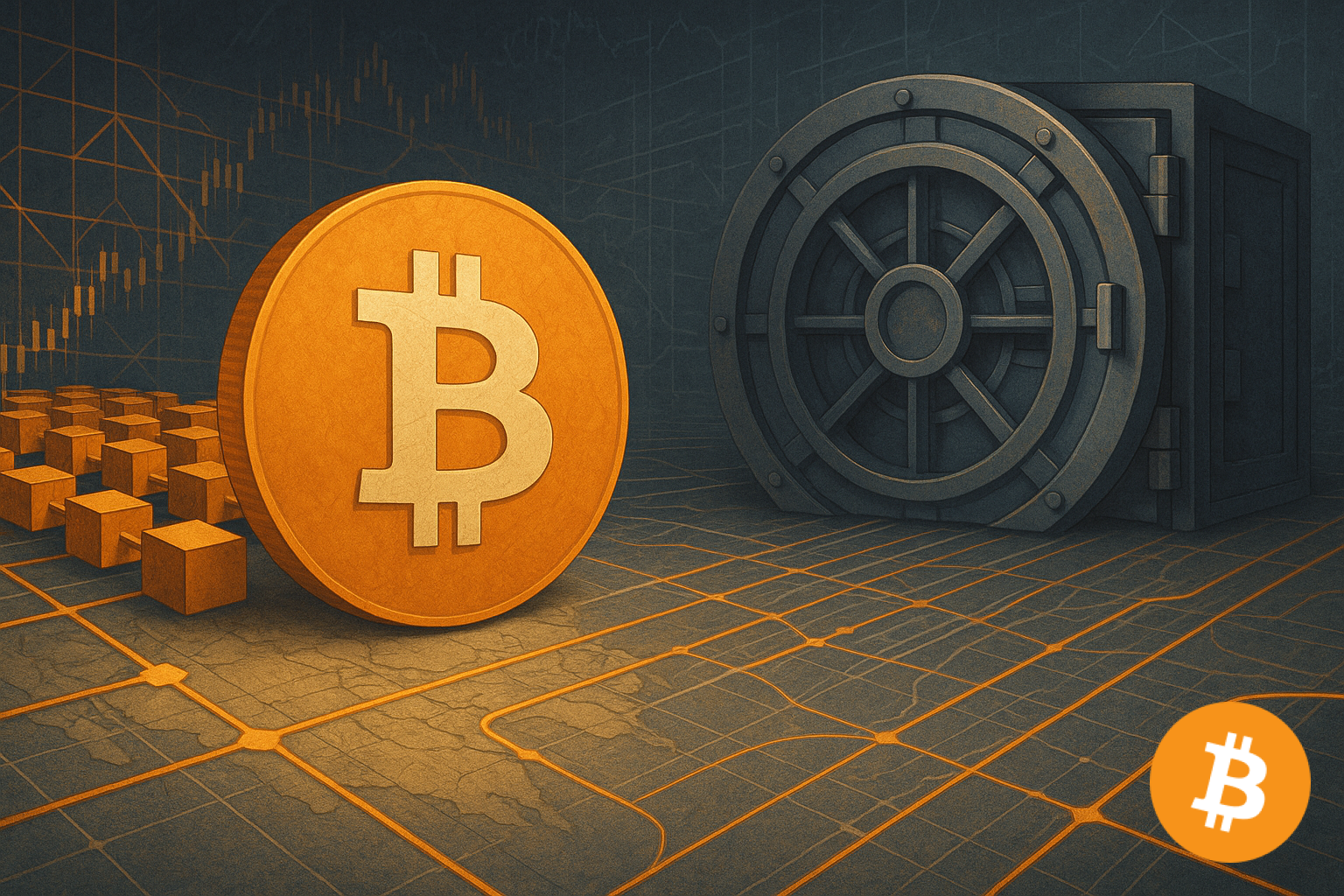
Bitcoin, the world’s first decentralized digital currency, continues to captivate investors and tech enthusiasts with its revolutionary potential and inherent volatility. As a decentralized asset, Bitcoin operates without a central bank or single administrator, allowing users to send and receive money directly over the internet without intermediaries. This unique setup not only provides financial independence but also poses significant risks and opportunities for investors.
Bitcoin’s Long-Term Growth Potential
The long-term growth potential of Bitcoin is a primary factor driving its adoption and investment appeal. The cryptocurrency’s limited supply, capped at 21 million coins, ensures absolute digital scarcity, protecting it from inflationary pressures that traditional currencies face. This scarcity, combined with its decentralized nature, positions Bitcoin as a robust store of value, often referred to as ‘digital gold.’
Recent market movements highlight this potential. Article 1 from CoinDesk reports that Bitcoin whales have accumulated $1.2 billion in BTC, signaling confidence in the asset’s future value. Additionally, the introduction of spot ETFs has attracted $750 million, indicating growing institutional interest in Bitcoin as a long-term investment.
Market Volatility: A Double-Edged Sword
While Bitcoin’s long-term growth prospects are promising, its market volatility remains a significant concern. The cryptocurrency’s price can experience drastic fluctuations within short periods, leading to substantial financial gains or losses for investors. Article 4 from CoinDesk notes a potential bullish pattern in Bitcoin’s chart, suggesting a future price surge to $76,000. However, this remains speculative and highlights the inherent uncertainty in cryptocurrency markets.
Moreover, Article 3 reveals that approximately 200,000 Bitcoin recently moved from long-term holder wallets, indicating a possible shift in custody rather than conventional selling. Such movements can trigger short-term price volatility, reflecting the dynamic nature of the Bitcoin market.
Bitcoin’s Ecosystem and Technological Evolution
Bitcoin’s ecosystem has evolved significantly since its inception, transitioning from a simple payment network to a multi-layered financial infrastructure. To address scalability issues and reduce transaction costs, the Bitcoin network employs Layer 2 solutions, most notably the Lightning Network. This advancement allows for faster and cheaper transactions, enhancing Bitcoin’s utility as a medium of exchange.
Despite these technological advancements, Bitcoin faces challenges such as regulatory uncertainty and the permanent nature of self-custody errors. As governments worldwide grapple with cryptocurrency regulations, Bitcoin’s decentralized nature often places it at odds with traditional financial systems. This regulatory ambiguity can impact its adoption and market valuation in the short term.
Balancing Risks and Opportunities
Investors must carefully weigh the risks and opportunities associated with Bitcoin. While its decentralized framework and digital scarcity offer protection against inflation and centralized control, the asset’s volatility and regulatory challenges cannot be overlooked. Article 7 highlights that Bitcoin’s volatility has seemingly decreased, yet the underlying risks persist, emphasizing the need for strategic investment approaches.
In conclusion, Bitcoin represents a unique investment opportunity characterized by its revolutionary potential and market volatility. As the cryptocurrency continues to mature, its role as a decentralized digital money will likely expand, offering both risks and rewards for investors. For those willing to navigate the complexities of the cryptocurrency market, Bitcoin offers a chance to participate in a transformative financial ecosystem.