AAVE
AAVE ZEC
ZEC USDT
USDT ADA
ADA BNB
BNB USDC
USDC DOGE
DOGE TRX
TRX XTZ
XTZ DASH
DASH TAO
TAO TRUMP
TRUMP XRP
XRP SOL
SOL ETH
ETH LINK
LINK BTC
BTC
 GRAM
GRAM
 DATA
DATA
 WLFI
WLFI
 ATTN
ATTN
 DEV
DEV
 ANSEM
ANSEM
 UNI
UNI
 USDG
USDG
 PYUSD
PYUSD
 CC
CC
 RAIN
RAIN
 XLM
XLM
 HYPE
HYPE
 NEAR
NEAR
 SUI
SUI
 OKB
OKB
 USDD
USDD
 XMR
XMR
 PAXG
PAXG
 ONDO
ONDO
 WBT
WBT
 FIGR_HELOC
 USD1
USD1
 AVAX
AVAX
 RLUSD
RLUSD
 LTC
LTC
 XAUT
XAUT
 HTX
HTX
 LEO
LEO
 USDY
USDY

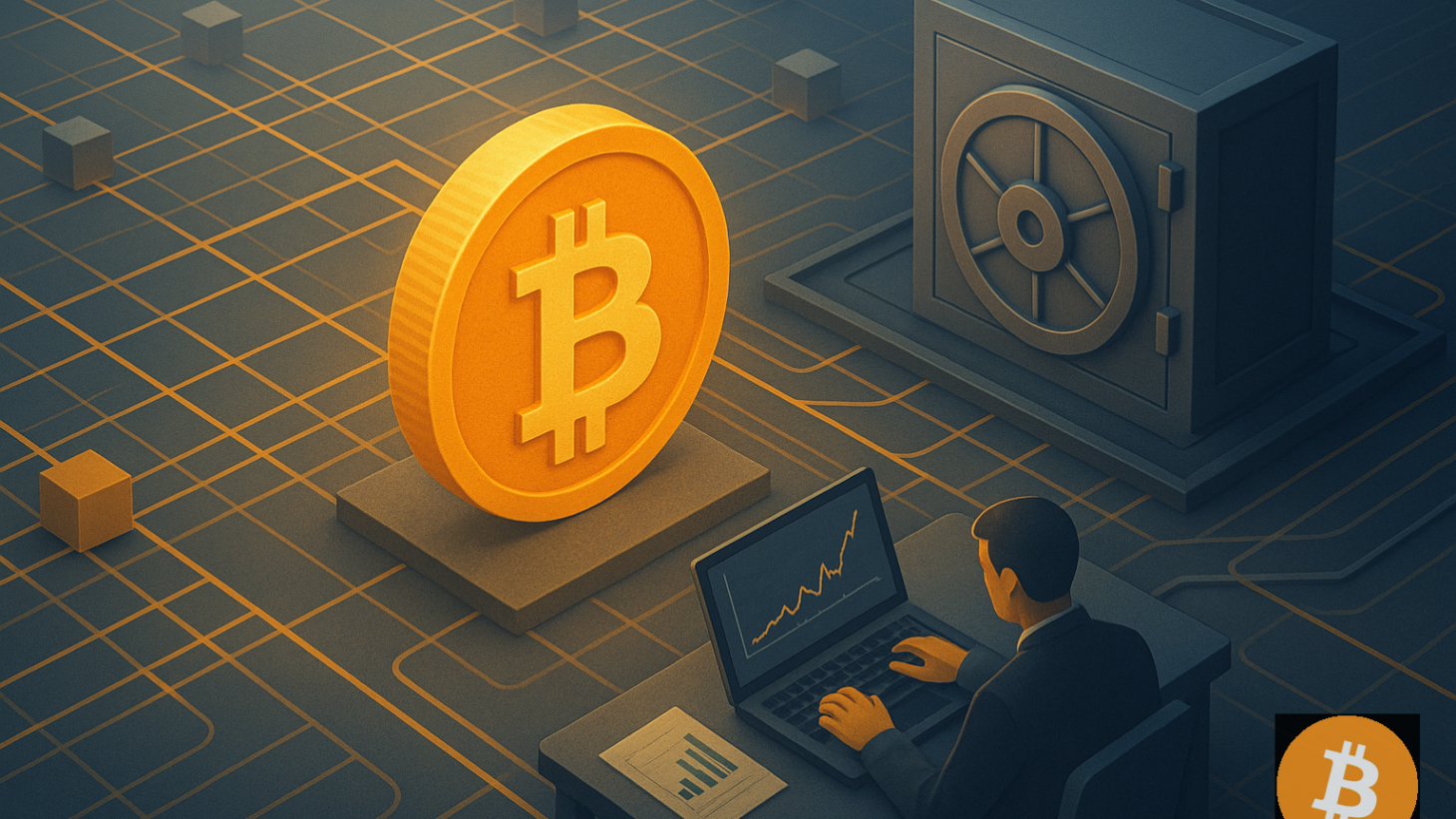
Bitcoin, the pioneering cryptocurrency, continues to capture the imagination of investors and tech enthusiasts alike. Despite its infamous market volatility, Bitcoin has demonstrated remarkable resilience and potential for long-term growth. The decentralized nature of Bitcoin allows it to operate independently of central banks, offering users a unique financial autonomy.
The Intricacies of Market Volatility
Bitcoin’s price volatility is often highlighted as a double-edged sword. On one hand, it presents opportunities for high returns; on the other, it poses significant risks. The recent movements in Bitcoin’s price, such as its struggle against the $83,000 resistance level, underscore this volatility. As noted in CoinDesk, wallet cohorts have shifted into net distribution, indicating a cautious market sentiment.
Moreover, geopolitical events, like the U.S. strikes on Iranian crude carriers, have influenced Bitcoin’s price dynamics, as highlighted in CoinDesk. Such events often lead to increased volatility, as seen when Bitcoin traded lower while oil prices surged. This underscores the sensitivity of Bitcoin’s market to external factors, distinguishing it from traditional assets like gold, which tend to be less reactive to such stimuli.
Long-Term Growth Potential
Despite short-term fluctuations, Bitcoin’s long-term growth potential remains robust. Historical data suggests that Bitcoin’s annual returns are concentrated in a small fraction of the year, making market timing challenging but rewarding for those with a long-term outlook. According to CoinDesk, this pattern of returns highlights the importance of patience and strategic thinking in Bitcoin investment.
Bitcoin’s fixed supply of 21 million coins introduces a scarcity factor that is absent in fiat currencies, which can be printed at will. This scarcity, coupled with increasing institutional adoption, highlights Bitcoin’s potential as a hedge against inflation. The involvement of major players, like Better and Coinbase, in using Bitcoin as collateral for mortgages, as noted in CoinDesk, further validates its role as a long-term store of value.
Adoption and Ecosystem Development
Bitcoin’s ecosystem has evolved significantly, transitioning from a simple peer-to-peer payment system to a comprehensive financial infrastructure. Developments like the Lightning Network have enhanced transaction speeds and reduced costs, making Bitcoin more practical for everyday use. This evolution is a crucial driver of Bitcoin’s adoption, as it addresses scalability issues that have previously hindered its growth.
The narrative of Bitcoin as ‘digital gold’ gains traction as more individuals and institutions recognize its potential as a safe haven asset. Despite setbacks, such as the $320 million exploit on Liquid Network reported by CoinDesk, confidence in Bitcoin’s security and utility persists. These incidents, while highlighting vulnerabilities, also drive improvements in security protocols, contributing to the maturity of the Bitcoin ecosystem.
Looking Ahead
As Bitcoin continues to navigate the complexities of market volatility, its foundational principles of decentralization and scarcity remain its strongest assets. Investors and developers are focusing on enhancing Bitcoin’s usability, security, and scalability, ensuring it remains a formidable player in the global financial landscape.
In the coming months, the potential for a ‘golden cross’—a bullish technical indicator—offers optimism for Bitcoin bulls. As highlighted by CoinDesk, this could signal a new phase of growth and adoption, reinforcing Bitcoin’s role as a revolutionary financial instrument.
Ultimately, Bitcoin’s journey is far from over. Its ability to adapt and grow amidst challenges is a testament to its resilience and the unwavering belief of its community. As we look to the future, Bitcoin stands poised to redefine the financial paradigms of the digital age.