XTZ
XTZ DASH
DASH TAO
TAO TRUMP
TRUMP XRP
XRP TONCOIN
 SOL
SOL ETH
ETH LINK
LINK BTC
BTC WLFI
WLFI RICH
RICH DEV3
DEV3 ATTN
ATTN




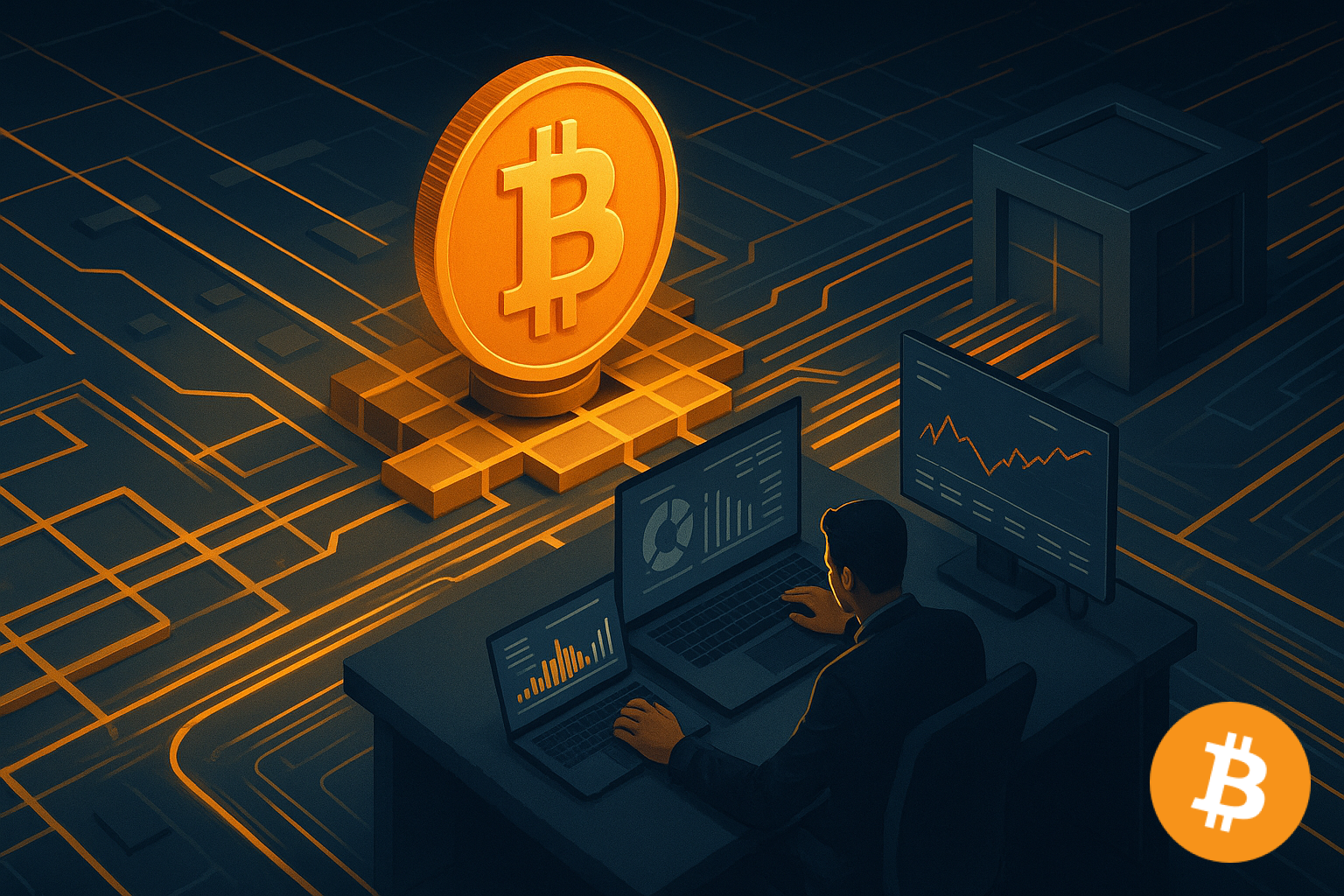
Bitcoin’s Resilience Amid Market Volatility and Long-Term Growth Potential
As Bitcoin continues to hold its ground in the volatile cryptocurrency market, the digital asset’s long-term growth potential remains a focal point for traders, investors, and institutions alike. Despite the constant market fluctuations, Bitcoin’s inherent characteristics of decentralization and digital scarcity make it a unique asset in the financial world.
Understanding Market Volatility
Bitcoin is no stranger to market volatility. Its price fluctuations can be attributed to various factors, including macroeconomic trends, regulatory changes, and technological advancements. For instance, recent developments have shown that a $5 billion cluster has formed in Bitcoin options, with call strikes at $70,000 and $72,000 significantly outnumbering puts, indicating a bullish sentiment among traders.
This optimism, however, doesn’t shield Bitcoin from the broader market movements. The cryptocurrency recently settled near $65,000 despite rising oil prices and global economic uncertainties. Such resilience showcases Bitcoin’s capacity to maintain value amidst external pressures, but it also underscores the need for investors to be vigilant about potential market swings.
Bitcoin’s Long-Term Growth Trajectory
Bitcoin’s long-term growth is driven by its fundamental attributes: decentralization, digital scarcity, and the promise of financial independence. The fixed supply of 21 million bitcoins ensures scarcity, while its decentralized nature allows for censorship-resistant transactions. These features make Bitcoin an attractive store of value, particularly in times of economic instability.
Moreover, the development of Layer 2 scaling solutions like the Lightning Network is enhancing Bitcoin’s utility as a medium of exchange. By enabling faster and cheaper transactions, these innovations are pivotal in Bitcoin’s evolution from a speculative asset to a practical financial instrument.
Challenges and Institutional Interest
Despite its advantages, Bitcoin faces challenges, including regulatory uncertainties and technological hurdles. Regulatory bodies worldwide are grappling with how to integrate Bitcoin into existing financial frameworks, which can lead to periods of uncertainty and price volatility.
Nonetheless, institutional interest in Bitcoin continues to grow. For example, companies like MicroStrategy have revamped their Bitcoin metrics to provide clearer insights to shareholders amid the bear market. Such moves highlight the increasing institutional focus on Bitcoin’s potential as a long-term investment.
The Role of Bitcoin Mining and Market Dynamics
Bitcoin mining plays a crucial role in the ecosystem, but it is not without its challenges. The recent bankruptcy filing by Poolin, once the largest Bitcoin mining pool, exemplifies the financial pressures within the industry. This highlights the need for miners to adapt to changing market conditions and the importance of sustainable practices in the mining process.
Market dynamics are further complicated by external economic factors. For instance, while the broader market faced an $800 billion AI selloff, Bitcoin remained largely unaffected, falling less than 1%. This suggests that Bitcoin’s market behavior can sometimes be decoupled from traditional financial markets, offering a unique investment avenue.
The Unanswered Question
As Bitcoin continues to navigate the complexities of market volatility and regulatory landscapes, the unanswered question remains: How will the interplay between technological advancements, institutional adoption, and regulatory frameworks shape Bitcoin’s future?
Investors and stakeholders must remain informed and adaptable to capture the opportunities and mitigate the risks associated with this revolutionary digital asset. As Bitcoin progresses, its role in the global financial ecosystem will undoubtedly evolve, offering new possibilities for decentralization and financial independence.