AAVE
AAVE UNI
UNI SUI
SUI NEAR
NEAR ZEC
ZEC USDT
USDT ADA
ADA BNB
BNB USDC
USDC DOGE
DOGE TRX
TRX XTZ
XTZ ATTN
ATTN DASH
DASH TAO
TAO TRUMP
TRUMP
 XRP
XRP
 ETH
ETH
 BTC
BTC
 GRAM
GRAM
 SOL
SOL
 DATA
DATA
 LINK
LINK
 WLFI
WLFI
 DEV
DEV
 ANSEM
ANSEM
 USDG
USDG
 CC
CC
 PYUSD
PYUSD
 RAIN
RAIN
 XLM
XLM
 FIGR_HELOC
 USDD
USDD
 OKB
OKB
 PAXG
PAXG
 LTC
LTC
 HYPE
HYPE
 RLUSD
RLUSD
 XMR
XMR
 USD1
USD1
 WBT
WBT
 ONDO
ONDO
 XAUT
XAUT
 AVAX
AVAX
 LEO
LEO
 USDY
USDY

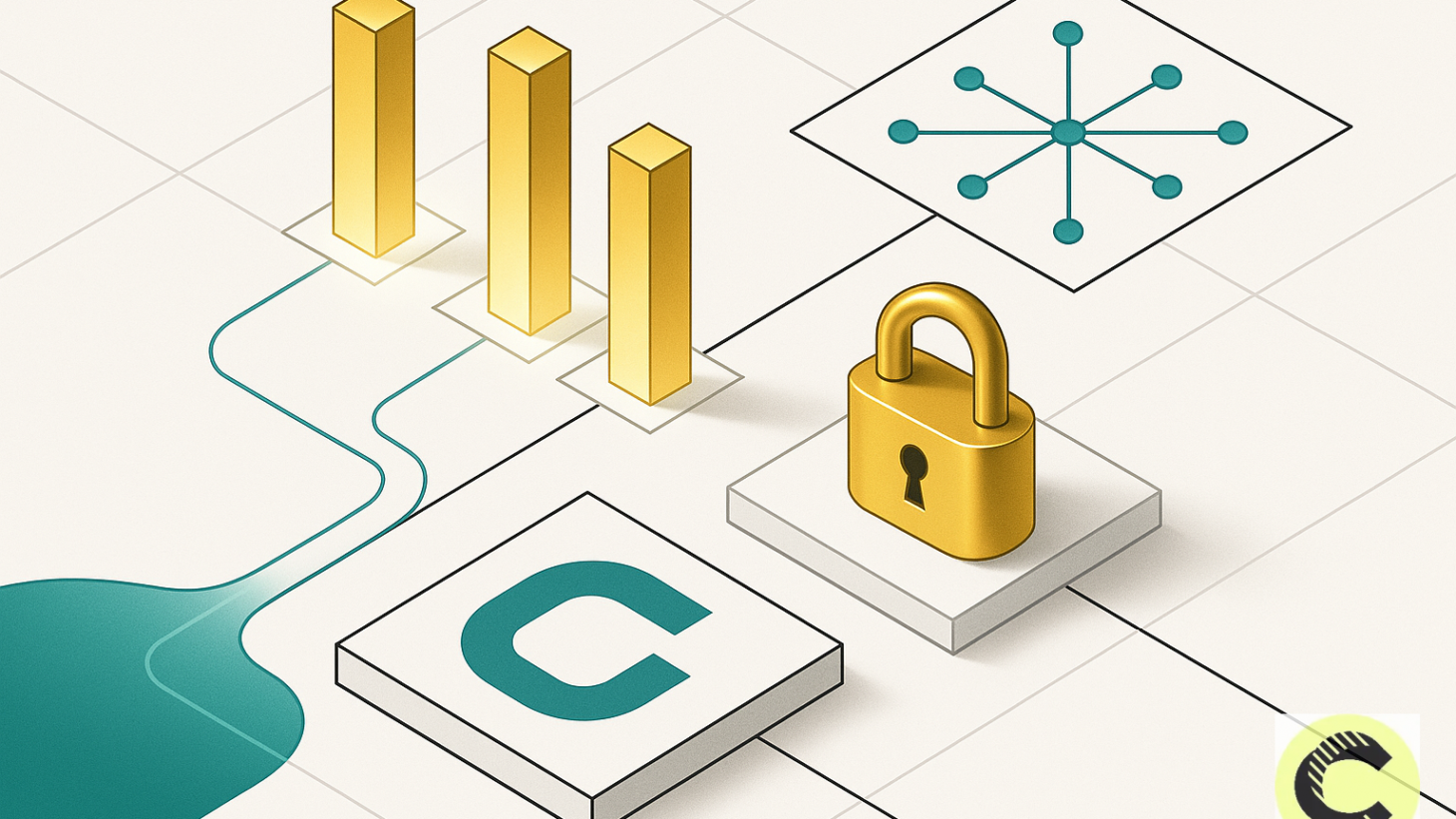
In today’s rapidly evolving financial ecosystem, the Canton Network stands out as a pioneering force in merging traditional finance (TradFi) with decentralized finance (DeFi), bringing a new level of interoperability, privacy, and regulatory compliance. As a privacy-enabled, institution-grade blockchain network, Canton is designed to seamlessly connect fragmented financial systems, making it the ultimate global synchronizer for real-world asset (RWA) mobility.
The Canton Network: A Network of Networks
Canton operates as a Layer-1 network-of-networks, specifically tailored to address the complexities of integrating traditional financial institutions with the decentralized capital markets. Its mission is to create a unified global ecosystem that respects the stringent regulatory frameworks that govern financial transactions worldwide. This is achieved through its unique architecture, which combines the benefits of Daml smart contracts and a Burn-and-Mint Equilibrium (BME) framework.
Key Features of Canton
One of the standout features of the Canton Network is its role as a Global Synchronizer. This decentralized traffic and settlement router coordinates atomic transactions across separate networks, ensuring seamless and secure financial interactions. Moreover, the network’s Sub-Transaction Privacy capability, powered by Daml smart contracts, ensures that sensitive transaction details remain confidential, maintaining a delicate balance between transparency and privacy.
The network’s native token, Canton Coin ($CC), plays a crucial role in powering this ecosystem. It functions as the core utility and gas token, enabling the smooth operation of the Global Synchronizer. With its unique BME framework, Canton ensures a stable token economy that supports the network’s extensive operations.
Institutional Adoption and Ecosystem
Canton’s ecosystem hosts an elite consortium of over 30 global financial institutions, market infrastructure operators, and enterprise technology leaders, including industry giants like Goldman Sachs, BNP Paribas, Microsoft, and Paxos. This collaboration underscores the network’s credibility and potential to drive significant changes in the financial landscape.
However, the path to widespread adoption is not without challenges. One of the primary hurdles is convincing conservative and heavily regulated financial institutions to transition their core ledger operations to a decentralized infrastructure. The network’s dependency on Daml smart contracts also presents innovation challenges, necessitating continuous development to stay ahead in the competitive blockchain space.
Strategic Implications and Market Impact
For Tier-1 financial institutions and central banks, Canton offers a compelling proposition. It resolves the critical trade-off between privacy and decentralization, enabling these entities to unlock the potential of real-world asset digitization without compromising on compliance and security. The network’s ability to facilitate atomic composability across financial systems positions it as a vital bridge between traditional and decentralized finance.
In the broader market context, Canton’s approach provides a stark contrast to existing blockchain networks that often struggle with regulatory compliance and privacy concerns. Its institution-grade capabilities and focus on real-world asset synchronization make it a prime candidate for driving the next wave of financial innovation.
The Road Ahead
As Canton continues to refine its offerings and expand its partnerships, the focus will be on overcoming enterprise adoption bottlenecks and enhancing its technological infrastructure. The network’s success will depend on its ability to maintain its privacy-first ethos while adapting to the dynamic regulatory landscape.
Looking forward, stakeholders should watch Canton’s progress in onboarding more financial institutions and expanding its network capabilities. Its unique positioning in the financial ecosystem makes it a key player in shaping the future of finance. As the Canton Network evolves, it will undoubtedly open new avenues for financial innovation, setting a benchmark for privacy-enabled, compliant blockchain solutions.