 AAVE
AAVE UNI
UNI SUI
SUI NEAR
NEAR ZEC
ZEC USDT
USDT ADA
ADA BNB
BNB USDC
USDC DOGE
DOGE TRX
TRX XTZ
XTZ ATTN
ATTN DASH
DASH TAO
TAO TRUMP
TRUMP
 XRP
XRP
 ETH
ETH
 BTC
BTC
 GRAM
GRAM
 SOL
SOL
 DATA
DATA
 LINK
LINK
 WLFI
WLFI
 DEV
DEV
 ANSEM
ANSEM
 USDG
USDG
 CC
CC
 PYUSD
PYUSD
 RAIN
RAIN
 XLM
XLM
 FIGR_HELOC
 USDD
USDD
 OKB
OKB
 HYPE
HYPE
 PAXG
PAXG
 LTC
LTC
 RLUSD
RLUSD
 XMR
XMR
 USD1
USD1
 WBT
WBT
 ONDO
ONDO
 XAUT
XAUT
 AVAX
AVAX
 LEO
LEO
 USDY
USDY

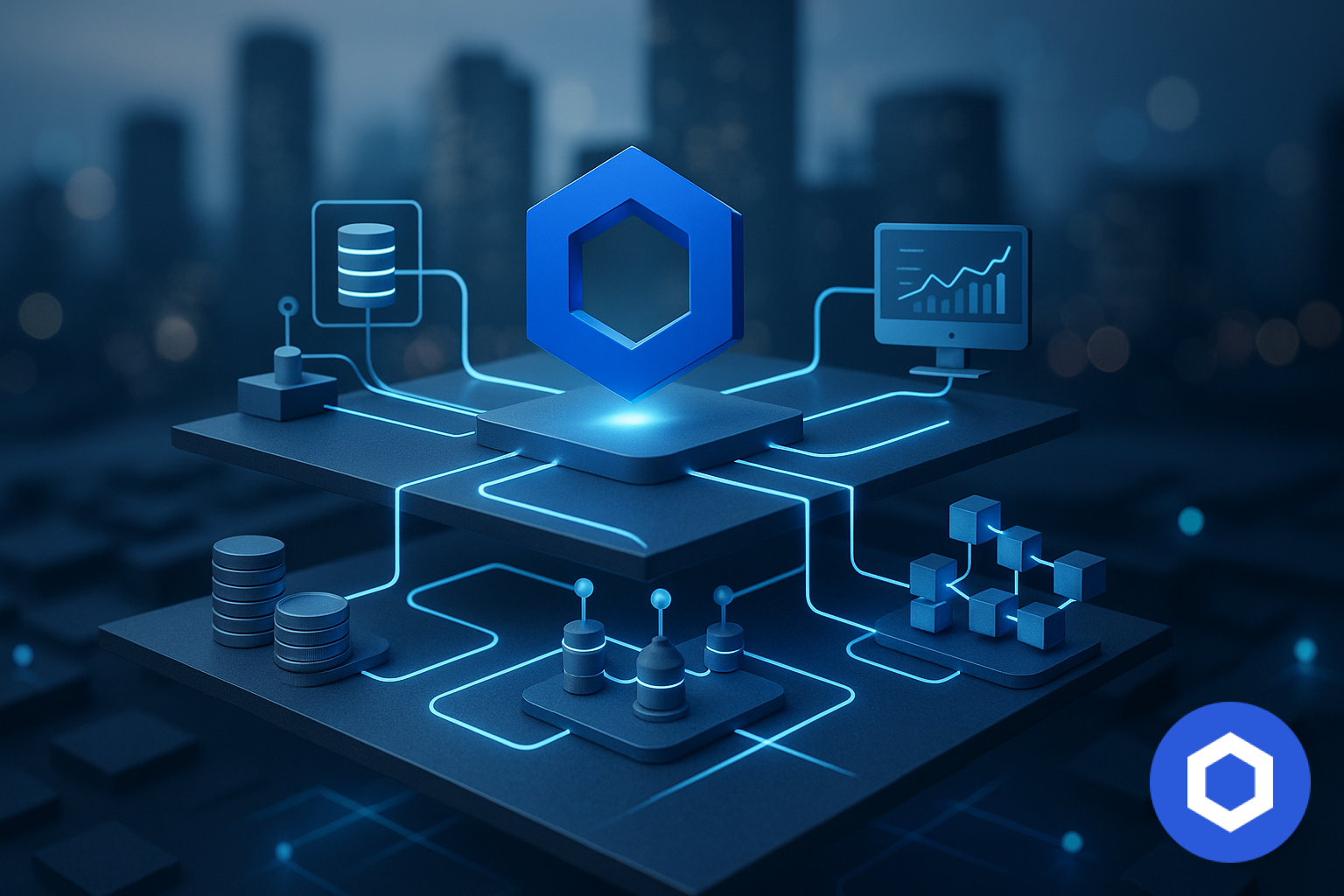
In the rapidly evolving landscape of blockchain technology, Chainlink stands out as a pivotal player, bridging the gap between on-chain smart contracts and real-world data. As a decentralized oracle network, Chainlink addresses what is commonly known as the ‘oracle problem,’ which is the inherent inability of blockchains to access off-chain data independently. This article explores how Chainlink’s innovative solutions are transforming decentralized finance (DeFi) and paving the way for broader tokenization in the financial industry.
Understanding Chainlink’s Role in Blockchain
At its core, Chainlink serves as a secure bridge that enables smart contracts to interact with real-world events, ensuring that they execute based on verified, tamper-proof information. This capability is crucial for the development of complex decentralized applications (dApps) that require real-time data inputs, such as financial market data, weather reports, or IoT data.
The Power of Tokenization
Tokenization, the process of representing real-world assets as digital tokens on a blockchain, has long been heralded as a significant breakthrough for integrating traditional finance with blockchain technology. Chainlink’s decentralized oracle networks play a crucial role in this process by providing the necessary data feeds that enable accurate and reliable asset tokenization.
According to a recent CoinDesk article, the potential of tokenization is vast, but it is facing competition from rapidly advancing perpetual contracts (perps). While perps are gaining traction, Chainlink’s established infrastructure and wide-ranging integrations position it as a frontrunner in the tokenization space.
Chainlink’s Ecosystem and Utility
The LINK token, native to the Chainlink network, is integral to the platform’s operation. It serves multiple purposes, including as a payment currency, collateral mechanism, and network security tool. This multifaceted utility underscores its importance in the Chainlink ecosystem and the broader DeFi landscape.
Chainlink’s ecosystem, described as the industry-standard decentralized infrastructure layer, connects hundreds of blockchains with real-world applications. Its vast network encompasses thousands of integrations across public Web3 protocols, making it a cornerstone in the development of decentralized finance infrastructure.
Opportunities and Risks
Chainlink’s position as the primary middleware of Web3 technology presents both opportunities and challenges. The network’s ability to secure hundreds of billions of dollars in DeFi assets highlights its importance and reliability. However, this central role also exposes Chainlink to unique systemic, operational, and macroeconomic risks.
For developers and financial institutions considering integration with Chainlink, the benefits of a robust and secure oracle network are evident. Nevertheless, stakeholders must remain vigilant about the potential risks associated with its critical position in the blockchain ecosystem.
Conclusion: Balancing Innovation and Caution
As Chainlink continues to expand its reach and capabilities, it remains a critical component in the quest for blockchain interoperability and real-world connectivity. While the future of tokenization and DeFi hinges on reliable data integration, Chainlink’s proven track record offers a solid foundation for continued innovation. Stakeholders should watch closely as Chainlink navigates the complexities of being both a leader in blockchain oracle networks and a subject of the ever-evolving regulatory and technological landscape.