AAVE
AAVE UNI
UNI SUI
SUI NEAR
NEAR ZEC
ZEC USDT
USDT ADA
ADA BNB
BNB USDC
USDC DOGE
DOGE TRX
TRX XTZ
XTZ ATTN
ATTN DASH
DASH TAO
TAO TRUMP
TRUMP
 XRP
XRP
 ETH
ETH
 BTC
BTC
 GRAM
GRAM
 SOL
SOL
 DATA
DATA
 LINK
LINK
 WLFI
WLFI
 DEV
DEV
 ANSEM
ANSEM
 USDG
USDG
 CC
CC
 PYUSD
PYUSD
 RAIN
RAIN
 XLM
XLM
 FIGR_HELOC
 USDD
USDD
 HYPE
HYPE
 OKB
OKB
 LTC
LTC
 PAXG
PAXG
 RLUSD
RLUSD
 XMR
XMR
 USD1
USD1
 WBT
WBT
 ONDO
ONDO
 XAUT
XAUT
 AVAX
AVAX
 LEO
LEO
 USDY
USDY

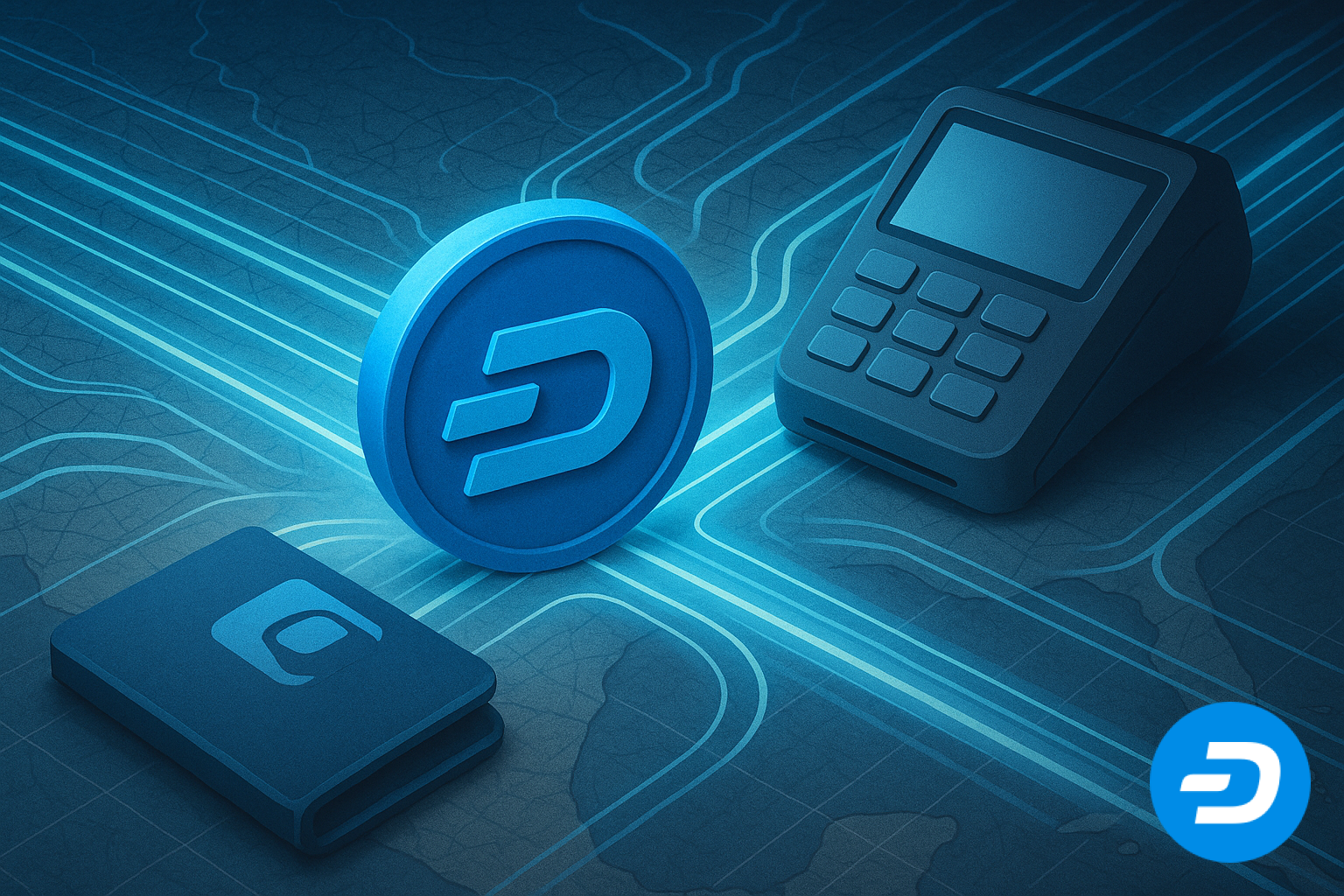
In the realm of digital currencies, Dash stands out as a formidable player, built specifically to function as digital cash for everyday transactions. Launched in 2014 as a fork of Bitcoin, Dash has carved a niche for itself by focusing on speed, affordability, and privacy. Its unique architecture offers a compelling alternative to traditional fiat and other cryptocurrencies, positioning itself as the go-to solution for consumers and merchants seeking efficient and secure transactions.
Understanding Dash’s Two-Tier Network
Dash operates on a decentralized network that is structured into two tiers: miners and Masternodes. This dual-layer system is critical to its functionality. Miners are responsible for securing the network and recording transactions on the blockchain. Meanwhile, Masternodes, which hold a collateral of 1,000 DASH, enable advanced features like InstantSend and PrivateSend.
InstantSend allows transactions to be confirmed almost instantly, a significant advantage over Bitcoin’s often lengthy confirmation times. This speed makes Dash particularly appealing for retail transactions, where time is of the essence. On the other hand, PrivateSend enhances user privacy by obfuscating transaction details, catering to users who prioritize confidentiality.
Dash’s Real-World Applications
Dash is not just a theoretical construct; it has practical applications that have been adopted worldwide. As of the latest data, Dash is accepted by thousands of merchants across the globe, from online retailers to brick-and-mortar stores. This widespread acceptance underscores its utility as a medium of exchange, rather than merely a speculative asset.
One of Dash’s significant strides is its penetration into markets with underbanked populations. In regions where traditional banking infrastructure is lacking, Dash offers a viable alternative for financial transactions. Its low transaction fees and quick processing times make it an attractive option for everyday use, particularly in economies where every cent counts.
Privacy in the Age of Surveillance
The privacy features of Dash are particularly relevant in the current global climate, where concerns about digital surveillance are on the rise. As highlighted in recent discussions about potential regulatory overreach, privacy is becoming an increasingly critical issue for digital transactions. Dash addresses this concern through its optional PrivateSend feature, which allows users to anonymize their transactions.
While some may view cryptocurrency privacy features as controversial, for many, they represent a fundamental right to financial privacy. Dash’s commitment to providing these features places it at the forefront of the digital rights movement, offering a counterbalance to the potential for mass surveillance.
The Competitive Landscape
In the broader cryptocurrency market, Dash faces competition from both established players like Bitcoin and newer entrants focusing on privacy, such as Monero and Zcash. However, Dash’s unique combination of speed, low fees, and optional privacy gives it a distinctive edge. Unlike its competitors, which often prioritize either privacy or speed, Dash manages to offer both, thereby broadening its appeal.
Moreover, recent developments in the cryptocurrency world, such as the integration of AI payment systems by exchanges like Coinbase, emphasize the growing demand for fast and flexible payment solutions. Dash’s infrastructure is well-suited to capitalize on these trends, potentially enhancing its market position.
Future Prospects and Challenges
Looking ahead, Dash faces several challenges, including regulatory scrutiny and market volatility. However, its robust governance model, powered by a decentralized autonomous organization (DAO), provides a framework for sustainable development and adaptation to changing market conditions.
The unanswered question for Dash is how it will navigate the evolving regulatory landscape. As authorities worldwide grapple with the implications of digital currencies, Dash’s ability to maintain its privacy features while complying with regulations will be crucial to its continued success.