 AAVE
AAVE NEAR
NEAR ZEC
ZEC USDT
USDT ADA
ADA BNB
BNB USDC
USDC DOGE
DOGE TRX
TRX XTZ
XTZ DASH
DASH TAO
TAO TRUMP
TRUMP XRP
XRP SOL
SOL ETH
ETH LINK
LINK
 BTC
BTC
 GRAM
GRAM
 DATA
DATA
 WLFI
WLFI
 ATTN
ATTN
 DEV
DEV
 ANSEM
ANSEM
 UNI
UNI
 USDG
USDG
 PYUSD
PYUSD
 CC
CC
 RAIN
RAIN
 XLM
XLM
 HYPE
HYPE
 SUI
SUI
 OKB
OKB
 USDD
USDD
 PAXG
PAXG
 XMR
XMR
 ONDO
ONDO
 USD1
USD1
 FIGR_HELOC
 WBT
WBT
 LTC
LTC
 AVAX
AVAX
 RLUSD
RLUSD
 XAUT
XAUT
 HTX
HTX
 LEO
LEO
 USDY
USDY

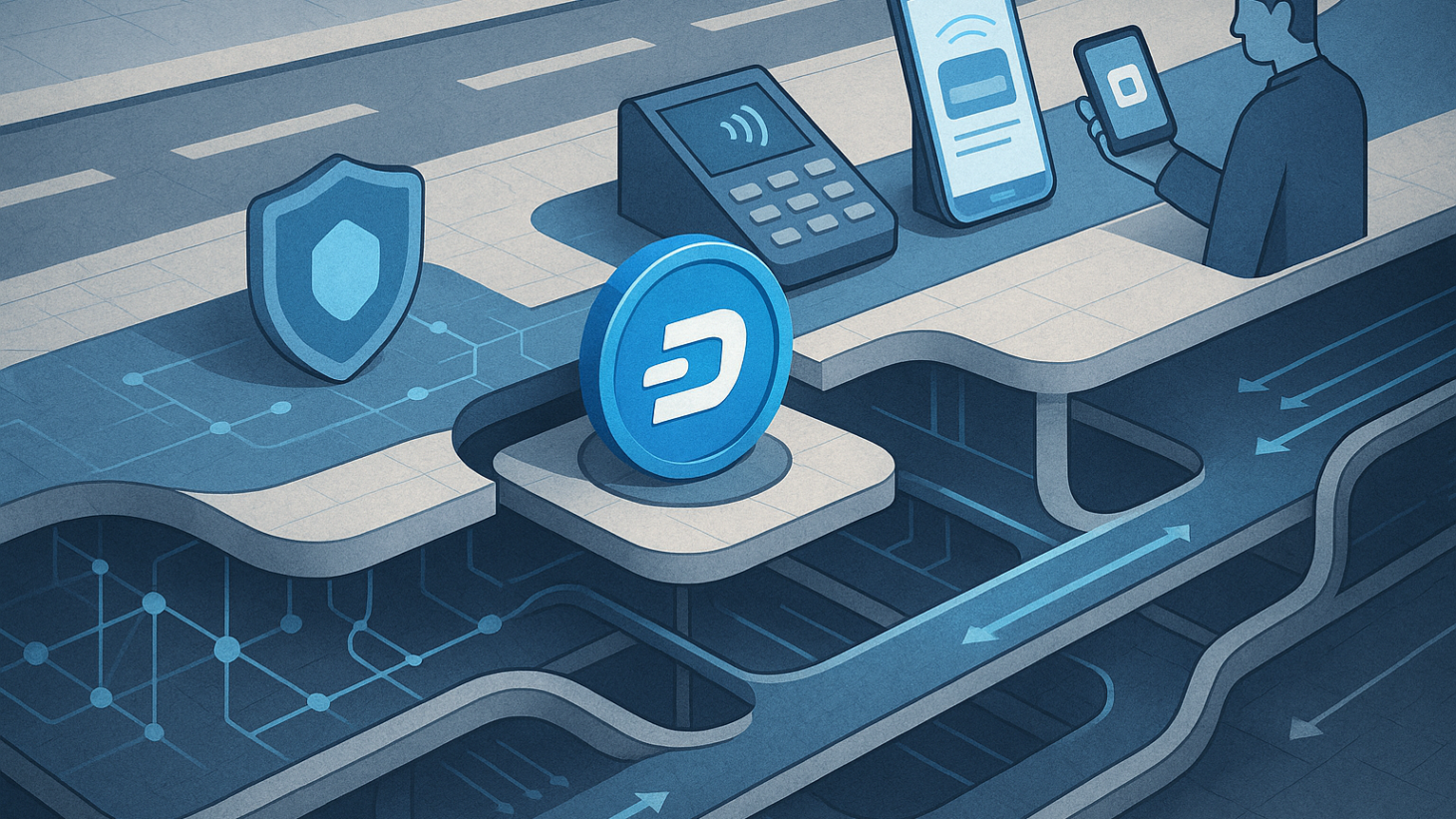
In the quest to create an efficient, secure, and user-friendly digital cash system, Dash has emerged as a frontrunner. Initially launched in 2014 as a fork of Bitcoin, Dash was created with the vision of offering faster transaction speeds and enhanced privacy features. It has since evolved into a globally recognized cryptocurrency for everyday transactions, leveraging its unique two-tier network architecture to deliver rapid and cost-effective payment solutions.
The Mechanics of Dash’s Success
Dash distinguishes itself through its Masternode network, a critical component that enhances transaction efficiency and privacy. This two-tier system combines traditional miners with Masternodes to enable features like InstantSend, which allows for near-instantaneous transactions. This functionality positions Dash as more than just a speculative asset; it serves as a practical digital checking account for daily use.
Moreover, Dash’s privacy protocol, CoinJoin, offers users the option to anonymize their transactions. This feature is particularly appealing in a world where privacy concerns continue to grow. By allowing users to blend their transactions with others, Dash provides a layer of confidentiality that is not inherently available in many other cryptocurrencies.
Market Analysis and Adoption
Dash has carved out its niche in the cryptocurrency market by focusing on real-world applications rather than speculative trading. Unlike other cryptocurrencies that struggle with high fees and slow transaction times, Dash’s low-cost and efficient payment structure makes it an attractive option for both consumers and merchants worldwide.
According to recent data, Dash is accepted by thousands of merchants globally, allowing users to purchase goods and services seamlessly. This widespread adoption underscores Dash’s commitment to being a practical and reliable form of digital cash. Furthermore, its liquidity on major exchanges enhances its utility, enabling users to effortlessly convert Dash to fiat currencies or other digital assets.
Developer Incentives and Governance
Dash’s decentralized governance model and self-funding treasury are pivotal in maintaining its growth and innovation. The Dash DAO (Decentralized Autonomous Organization) allows Masternode operators to vote on proposals for network improvements, ensuring that enhancements are aligned with the community’s interests. This model not only incentivizes developers to contribute to the ecosystem but also fosters a sense of ownership among community members.
The Dash treasury allocates a portion of block rewards to fund development projects, marketing, and community initiatives. This sustainable funding mechanism has proven effective in driving continuous improvements and adoption.
Challenges and Future Prospects
Despite its advantages, Dash faces challenges typical of the cryptocurrency landscape, including regulatory scrutiny and market competition. The rise of stablecoins and other privacy-focused cryptocurrencies presents ongoing competition. Nevertheless, Dash’s established infrastructure and proven track record provide a strong foundation for navigating these challenges.
Looking ahead, Dash’s focus on enhancing its privacy features and expanding its global reach will be crucial. As privacy becomes an increasingly important issue, Dash’s optional privacy features may become a significant draw for new users. Moreover, as more merchants recognize the benefits of accepting cryptocurrency, Dash’s low transaction fees and instant settlement capabilities will likely drive further adoption.
In conclusion, Dash remains a pioneering force in the realm of digital cash, offering a practical, scalable, and privacy-focused solution for everyday transactions. As it continues to adapt and innovate, Dash is well-positioned to meet the evolving demands of the digital economy.