 XRP
XRP AAVE
AAVE ZEC
ZEC USDT
USDT ADA
ADA BNB
BNB DOGE
DOGE TRX
TRX XTZ
XTZ DASH
DASH TAO
TAO TRUMP
TRUMP SOL
SOL ETH
ETH LINK
LINK BTC
BTC NEAR
NEAR
 GRAM
GRAM
 DATA
DATA
 WLFI
WLFI
 ATTN
ATTN
 DEV
DEV
 ANSEM
ANSEM
 UNI
UNI
 CC
CC
 USDC
USDC
 RAIN
RAIN
 XLM
XLM
 USDG
USDG
 WBT
WBT
 HYPE
HYPE
 PYUSD
PYUSD
 SUI
SUI
 RLUSD
RLUSD
 USD1
USD1
 USDD
USDD
 XMR
XMR
 PAXG
PAXG
 ONDO
ONDO
 AVAX
AVAX
 OKB
OKB
 LTC
LTC
 LEO
LEO
 XAUT
XAUT
 FIGR_HELOC
 HTX
HTX
 USDY
USDY

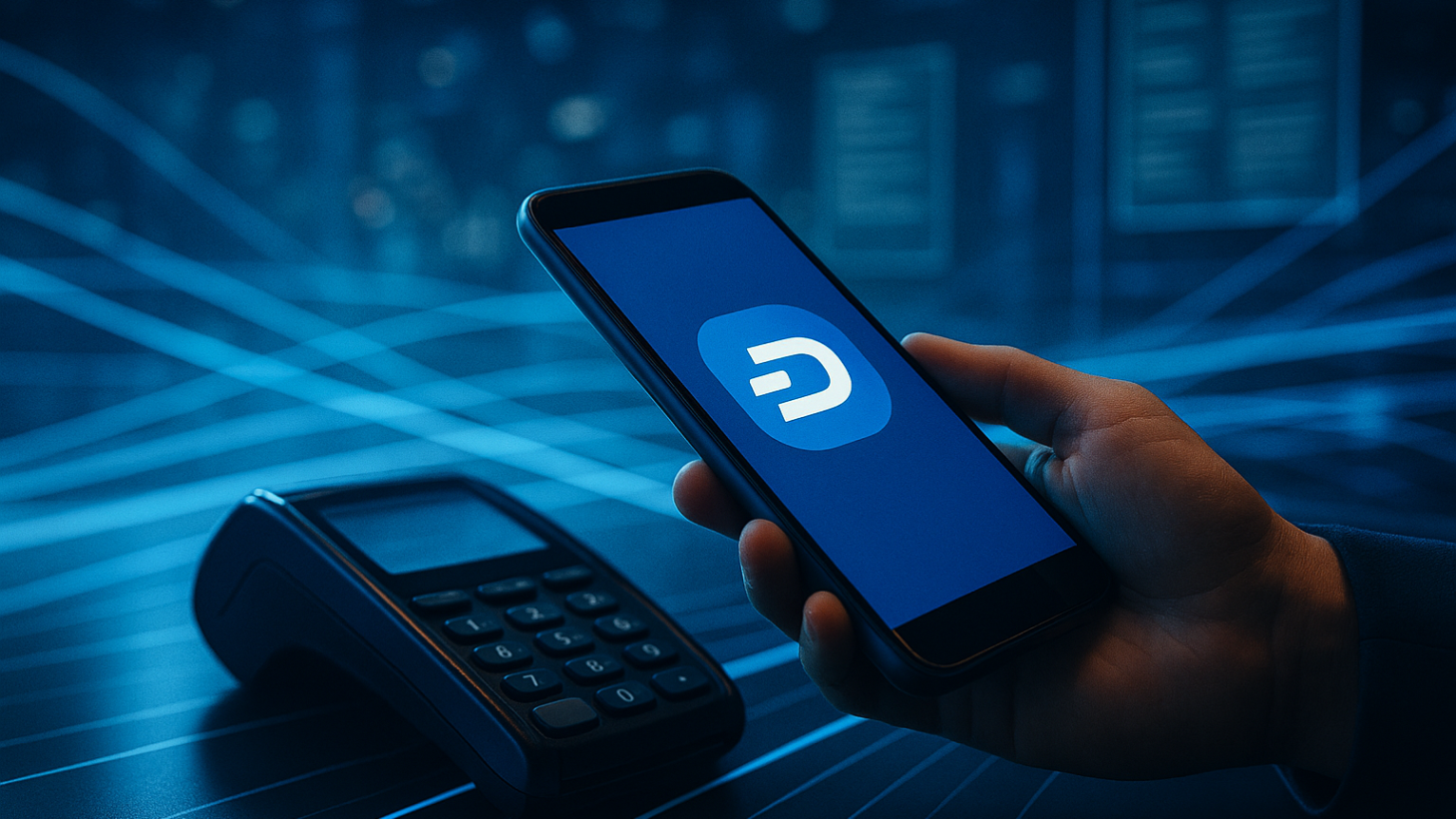
In an era where digital payments have become the norm, Dash stands out as a reliable cryptocurrency designed for everyday transactions. Launched in 2014, Dash has consistently evolved to meet the needs of users seeking fast, low-cost, and private digital cash solutions. Unlike many other cryptocurrencies that prioritize speculative trading, Dash focuses on real-world utility, making it a preferred choice for consumers, merchants, and the unbanked populations worldwide.
Dash: A Pragmatic Approach to Digital Transactions
Dash was originally created as a fork of Bitcoin with the intention of improving transaction speeds and enhancing user privacy. The developers behind Dash recognized early on that for a cryptocurrency to be truly useful, it needed to function more like a digital checking account than a speculative asset. This led to the creation of a two-tier network architecture featuring Masternodes, which play a crucial role in enabling Dash’s unique features.
Masternodes are specialized servers that facilitate instant transactions and optional privacy features. This infrastructure allows Dash to offer InstantSend, a service that settles transactions almost instantly, and PrivateSend, which provides enhanced privacy for users who require it. These features ensure that Dash remains a practical choice for everyday payments, whether at a local grocery store or for online purchases.
Market Context: The Rise of Digital Payments
While Dash continues to assert its position in the cryptocurrency landscape, the broader market is witnessing a surge in digital payment solutions. According to a recent article on CoinDesk, stablecoins are increasingly being used for everyday purchases, with a card spending volume that has more than tripled in a year. This trend underscores a growing acceptance of digital currencies as viable alternatives for traditional fiat transactions.
However, the use of stablecoins, like USDC and USDT, for daily expenditures does not overshadow the unique advantages offered by Dash. While stablecoins provide price stability, they often lack the privacy and speed that Dash guarantees. The combination of low transaction fees, privacy options, and instant settlements makes Dash a formidable contender in the digital cash space.
Regulatory Landscape and Challenges
Despite its advantages, Dash, like many other cryptocurrencies, faces regulatory challenges. Regulatory scrutiny remains a significant risk, as authorities worldwide grapple with the implications of digital currencies. The SEC’s recent Reg Crypto proposal highlights the ongoing efforts to establish a regulatory framework for cryptocurrencies. While such regulations are essential for mainstream adoption, they also pose potential hurdles for privacy-focused coins like Dash.
Nevertheless, Dash’s development team continues to engage with regulators to ensure compliance while maintaining the core principles of privacy and decentralization. This proactive approach demonstrates Dash’s commitment to being a trustworthy digital cash solution.
The Future of Dash: What to Watch
As Dash continues to evolve, there are several areas that sophisticated readers should monitor. First, the integration of Dash with more merchants and payment platforms will be crucial for its widespread adoption. Second, advancements in its governance model, which is based on a decentralized autonomous organization (DAO), could further enhance its resilience against market volatility and regulatory changes.
Finally, the ongoing development of privacy features will be a key area to watch. As the demand for privacy-centric solutions rises, Dash’s ability to enhance and market its privacy features could set it apart from its competitors.
In conclusion, Dash offers a compelling combination of speed, affordability, and privacy, making it a leading choice for digital cash transactions. While regulatory challenges persist, Dash’s commitment to innovation and compliance positions it well for future growth. The unanswered question for readers to consider is: How will Dash navigate the evolving regulatory landscape while maintaining its core values of privacy and decentralization?