 AAVE
AAVE UNI
UNI SUI
SUI NEAR
NEAR ZEC
ZEC USDT
USDT ADA
ADA BNB
BNB USDC
USDC DOGE
DOGE TRX
TRX XTZ
XTZ ATTN
ATTN DASH
DASH TAO
TAO TRUMP
TRUMP
 XRP
XRP
 ETH
ETH
 BTC
BTC
 GRAM
GRAM
 SOL
SOL
 DATA
DATA
 LINK
LINK
 WLFI
WLFI
 DEV
DEV
 ANSEM
ANSEM
 USDG
USDG
 CC
CC
 PYUSD
PYUSD
 RAIN
RAIN
 XLM
XLM
 FIGR_HELOC
 USDD
USDD
 OKB
OKB
 HYPE
HYPE
 LTC
LTC
 PAXG
PAXG
 RLUSD
RLUSD
 XMR
XMR
 USD1
USD1
 WBT
WBT
 ONDO
ONDO
 XAUT
XAUT
 AVAX
AVAX
 LEO
LEO
 USDY
USDY

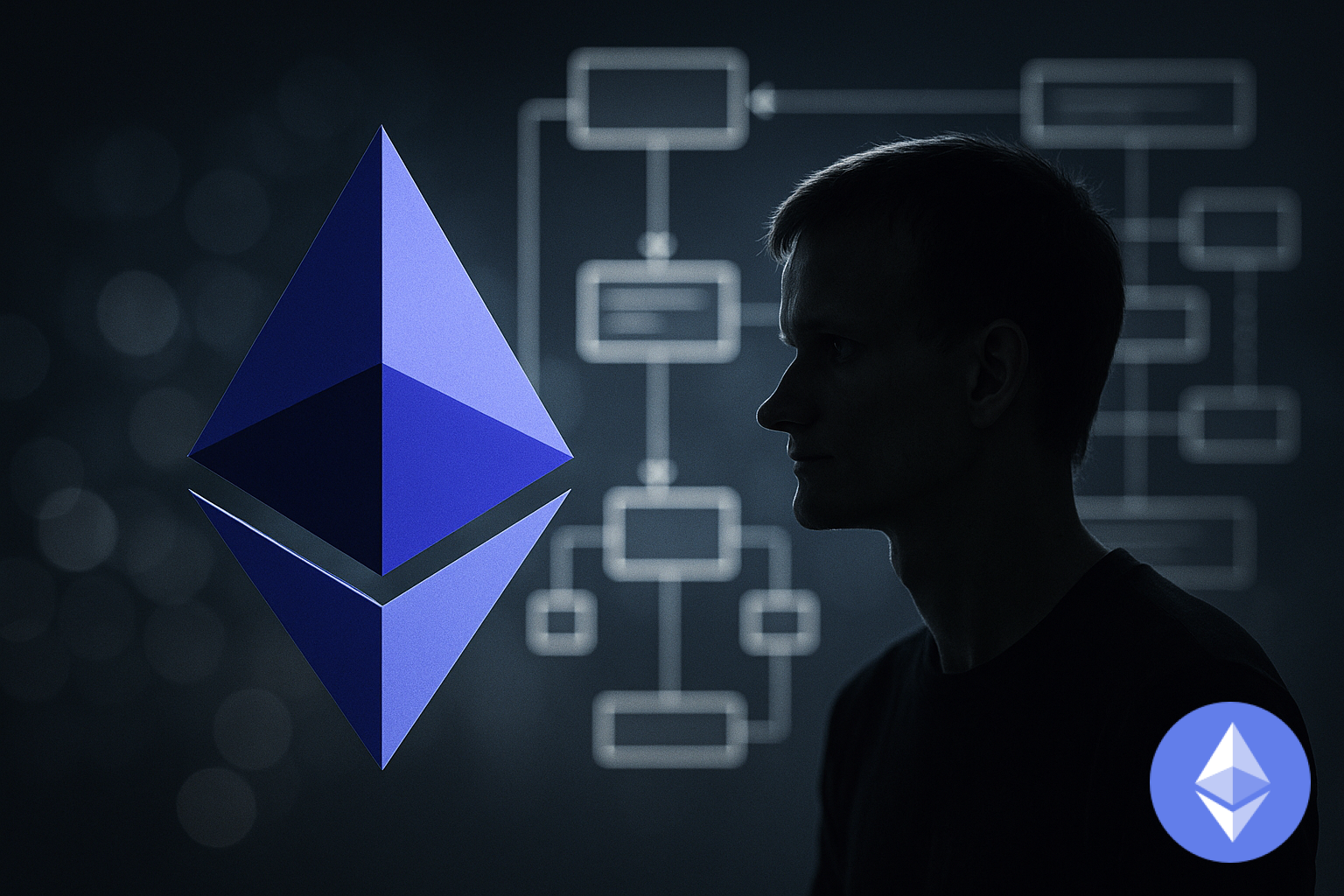
In the ever-evolving landscape of blockchain technology, Ethereum continues to stand out as a pioneering force. Its ability to transform simple digital transactions into expansive decentralized computing capabilities has not only set a new benchmark but also fueled its rapid growth. At the heart of this transformation is Ethereum’s comprehensive framework for smart contracts and decentralized applications (dApps), which have redefined how digital interactions occur across the globe.
The Evolution of Ethereum Staking
Ethereum’s transition from a proof-of-work (PoW) consensus mechanism to a proof-of-stake (PoS) model marks a significant milestone in its journey. This shift, primarily aimed at enhancing scalability and reducing energy consumption, has introduced staking as a central component of its ecosystem. Staking allows ETH holders to participate in network validation and earn rewards, thereby democratizing the network maintenance process.
Recently, the debate over staking rewards has intensified. The division between ordinary Ethereum staking and more risky restaking opportunities, as highlighted in recent discussions, underscores the complexity of maintaining a balanced reward system. A new proposal seeks to cap validator rewards, causing a stir within the staking community as stakeholders weigh the potential impacts on participation and network security.
Smart Contracts: The Backbone of Ethereum
Smart contracts are arguably Ethereum’s most revolutionary contribution to the blockchain universe. These self-executing contracts with the terms directly written into code allow for seamless, automated transactions without the need for intermediaries. This functionality has unlocked a plethora of use cases, from decentralized finance (DeFi) platforms to supply chain management systems.
Vitalik Buterin, Ethereum’s visionary co-founder, continues to advocate for advancements in this domain, emphasizing the importance of scalability and security. As Ethereum’s capabilities expand, its smart contracts are increasingly seen as the foundation upon which future decentralized applications will be built.
Ethereum’s Growth Trajectory
The growth of Ethereum is not just measured by its market capitalization or the price of ETH. It’s also reflected in the robust ecosystem of dApps and projects that have blossomed on its platform. From DeFi protocols to NFTs and beyond, Ethereum remains the preferred choice for developers and innovators.
This growth, however, is not without its challenges. Network congestion and high gas fees have been persistent issues that the Ethereum community is striving to resolve. Layer 2 solutions and Ethereum 2.0’s ongoing development are pivotal in addressing these scalability concerns, promising faster transactions and lower costs.
The Role of Staking in Ethereum’s Future
As Ethereum’s network continues to scale, the role of staking becomes increasingly vital in securing the blockchain while incentivizing active participation. The possibility of a capped reward system introduces new dynamics that could influence validator behavior and overall network health.
For Ethereum to maintain its leadership position, it must balance the interests of various stakeholders while continuing to innovate. The ongoing debates and proposals surrounding staking rewards are a testament to the community’s commitment to evolving and refining the Ethereum protocol.
Conclusion: The Road Ahead
Ethereum’s journey is one of continuous evolution and adaptation. The network’s ability to integrate cutting-edge technology with a robust decentralized framework positions it as a leader in the blockchain space. As discussions around staking rewards and smart contract enhancements progress, the Ethereum community remains at the forefront, driving innovation and setting the stage for the next wave of decentralized applications.
The ultimate success of Ethereum will be confirmed by its capacity to overcome scalability challenges, manage staking dynamics, and continue to expand its ecosystem. With Vitalik Buterin and a dedicated community leading the charge, Ethereum’s future looks promising as it solidifies its role as a decentralized global computer.