AAVE
AAVE UNI
UNI SUI
SUI NEAR
NEAR ZEC
ZEC USDT
USDT ADA
ADA BNB
BNB USDC
USDC DOGE
DOGE TRX
TRX XTZ
XTZ ATTN
ATTN DASH
DASH TAO
TAO TRUMP
TRUMP
 XRP
XRP
 ETH
ETH
 BTC
BTC
 GRAM
GRAM
 SOL
SOL
 DATA
DATA
 LINK
LINK
 WLFI
WLFI
 DEV
DEV
 ANSEM
ANSEM
 USDG
USDG
 CC
CC
 PYUSD
PYUSD
 RAIN
RAIN
 XLM
XLM
 FIGR_HELOC
 USDD
USDD
 HYPE
HYPE
 LTC
LTC
 OKB
OKB
 PAXG
PAXG
 XMR
XMR
 RLUSD
RLUSD
 USD1
USD1
 WBT
WBT
 ONDO
ONDO
 AVAX
AVAX
 XAUT
XAUT
 LEO
LEO
 USDY
USDY

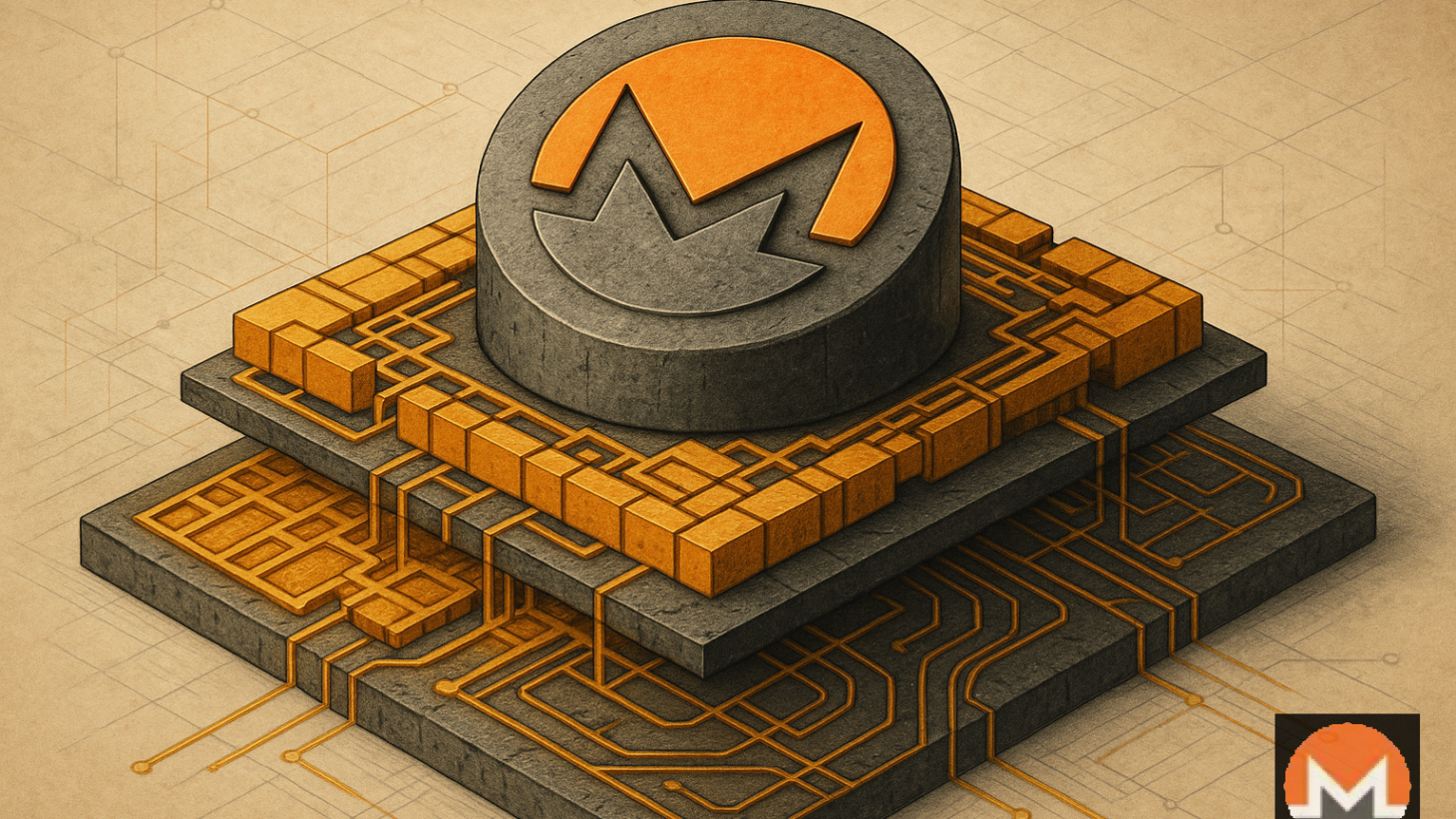
In an era marked by escalating financial surveillance and data breaches, Monero (XMR) emerges as the gold standard for absolute financial privacy and censorship resistance. Its commitment to mandatory, protocol-level obfuscation makes it a unique player in the cryptocurrency landscape, ensuring transaction senders, recipients, and amounts remain hidden by default. This article examines how Monero’s innovative technology positions it as the ultimate privacy coin and explores the strategic implications for financial privacy advocates and regulatory bodies.
Monero’s Advanced Obfuscation Technology
Monero’s core strength lies in its sophisticated cryptographic techniques designed to ensure untraceable transactions. Unlike transparent blockchains such as Bitcoin, where transaction details are publicly accessible, Monero employs advanced obfuscation cryptography, including Ring Signatures, Stealth Addresses, and Ring Confidential Transactions (RingCT). These technologies work in tandem to obscure transaction details, making it virtually impossible for third parties to trace the flow of funds.
Ring Signatures allow a group of possible signers to authorize a transaction, thereby hiding the actual sender. Stealth Addresses generate unique addresses for each transaction, ensuring that recipient information remains confidential. Ring Confidential Transactions (RingCT) further enhance privacy by hiding transaction amounts, maintaining confidentiality while preserving network integrity.
Maintaining Mining Decentralization
Monero’s commitment to privacy extends to its mining protocol. The network employs RandomX, an ASIC-resistant proof-of-work algorithm that promotes decentralization by making it difficult for specialized industrial hardware to dominate the network. By favoring CPU mining, Monero ensures that a broader range of participants can contribute to the network’s security, reinforcing its censorship-resistant nature.
The Role of the Monero Research Lab
Continuous innovation is a hallmark of Monero’s development. The Monero Research Lab, a highly skilled research group, is pivotal in advancing zero-knowledge protocol updates. Their work ensures that Monero remains at the forefront of privacy technology, continuously integrating improvements like the Full-Chain Membership Proof (FCMP++), which enhances efficiency and privacy further.
Regulatory Challenges and Market Implications
Despite its technological prowess, Monero faces significant regulatory challenges due to its robust privacy features. Global regulatory pushback and anti-money laundering compliance pressures have led to its delisting from major centralized exchanges, fragmenting its trading liquidity. However, these challenges also highlight Monero’s importance in preserving financial privacy in a world increasingly leaning towards surveillance.
The recent CoinDesk article on the unconstitutional nature of predictive policing underscores the urgent need for privacy-focused financial systems like Monero. As governments leverage financial data for political profiling, Monero’s role as a safeguard against such practices becomes even more critical.
Looking Ahead
As Monero continues to evolve, the focus will remain on strengthening its privacy features and enhancing network security. The community’s grassroots nature and the active involvement of the Monero Research Lab will play a crucial role in navigating regulatory landscapes while promoting robust financial privacy.
For financial privacy advocates and blockchain researchers, Monero represents a beacon of hope in the fight against financial surveillance. As regulatory pressures mount, the cryptocurrency’s unwavering commitment to privacy makes it a valuable asset for those seeking untraceable transactions and censorship resistance. Moving forward, stakeholders should closely monitor developments in Monero’s protocol updates and regulatory responses to gauge its impact on the broader cryptocurrency landscape.