AAVE
 PAXG
 UNI
 PYUSD
 USDE
 FIGR_HELOC
 DAI
 BCH
 LTC
 HBAR
 SHIB
 USD1
 AVAX
 SUI
 OKB
 CRO
 CC

 XRP
 ETH
 TRUMP
 BTC
 SOL
 GRAM
 DATA
 LINK
 TAO
 DASH
 XTZ
 ATTN
 WLFI
 DEV
 TRX
 ANSEM
 BNB
 USDT
 ADA
 USDC
 DOGE
 ZEC
 USDG
 NEAR
 HYPE
 XMR
 XLM
 RAIN
 RLUSD
 ONDO
 XAUT
 USDD
 WBT
 USDY
 LEO

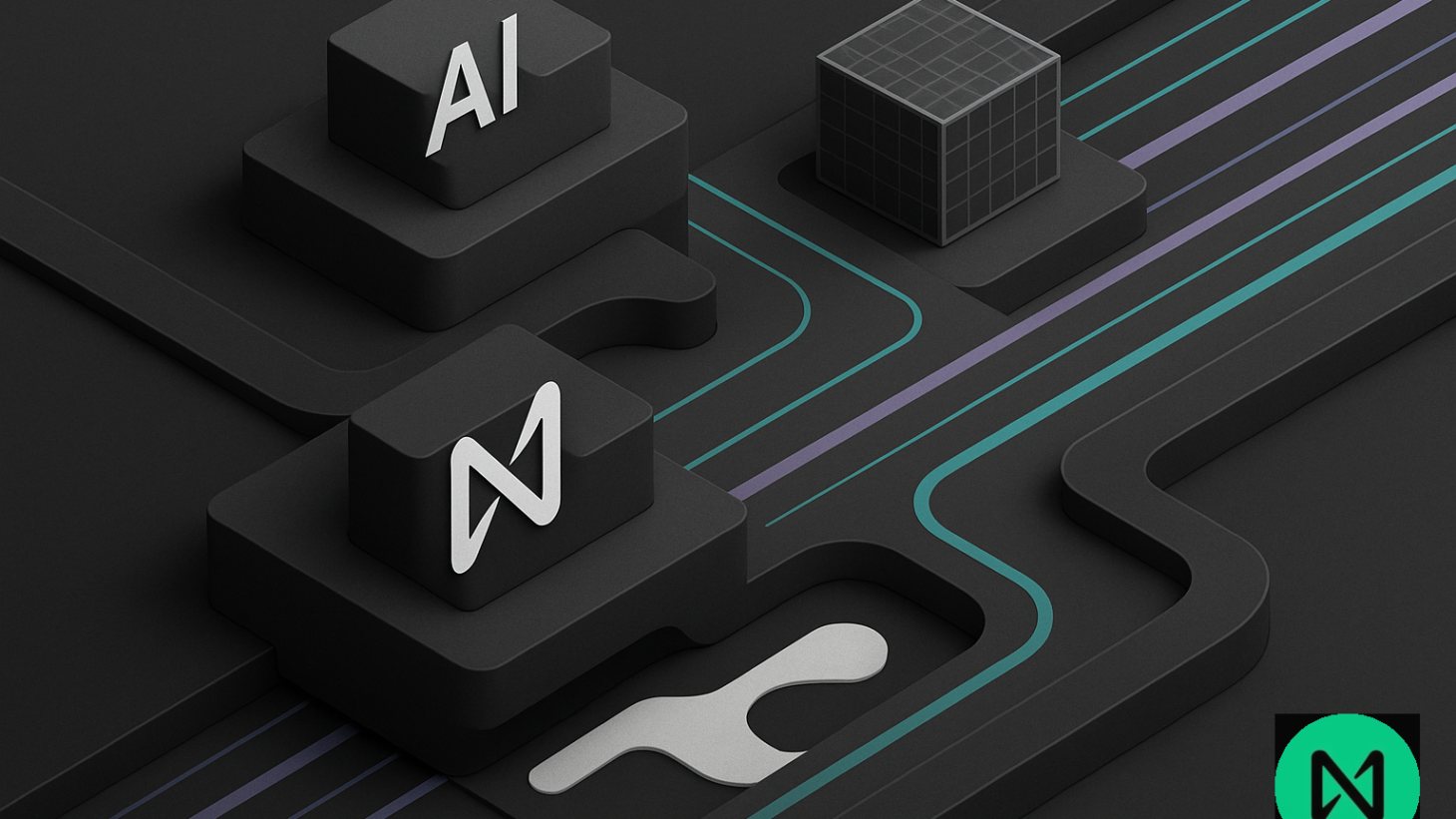
In the rapidly evolving landscape of blockchain technology, NEAR Protocol stands out as a beacon for the integration of blockchain and artificial intelligence (AI), laying the groundwork for what is known as the ‘Agentic Web3.’ By leveraging its developer-friendly, highly scalable sharded architecture, NEAR Protocol simplifies the usability for both creators and end-users, positioning itself as a highly accessible platform for Web3 adoption.
Understanding NEAR Protocol’s Architecture
NEAR Protocol is a Layer-1 blockchain that employs Nightshade Sharding to enhance network scalability and throughput. This architecture dynamically scales to manage massive transaction volumes, ensuring sub-second finality. Such capabilities are crucial for supporting the demands of a future where AI-driven applications become mainstream. The platform’s Chain Abstraction framework further streamlines the user experience by masking the complexities typically associated with blockchain technology, such as gas fees and network switching.
The Role of NEAR Intents in Agentic Web3
At the core of NEAR’s vision for an agentic internet is the concept of NEAR Intents. These are programmable contracts that allow users and autonomous AI agents to interact seamlessly across different blockchain networks. This interoperability is pivotal in creating a cohesive digital ecosystem where AI can operate efficiently, breaking down the barriers that often hinder cross-chain interactions.
Market Context and Comparisons
While the broader crypto market is currently experiencing turbulence, as evidenced by the $6.3 billion Binance hack and subsequent $1.57 billion in crypto liquidations, NEAR Protocol remains focused on its mission. Unlike Bitcoin and Ethereum, which have been the focal points of recent market disruptions, NEAR’s emphasis on sharded architecture and AI integration positions it uniquely for future growth.
The market remains optimistic about blockchain’s potential despite setbacks. Wall Street analysts suggest that incidents like the Binance hack are unlikely to derail the market’s recovery. However, for NEAR Protocol, the real challenge lies in navigating the fierce competition among Layer-1 blockchains, including Solana and Ethereum Layer-2 solutions.
Implications for Developers and Investors
NEAR Protocol’s approach offers significant advantages for developers. By simplifying blockchain interactions and offering robust tools for building decentralized applications (dApps), NEAR reduces the entry barrier for innovation. This developer-centric focus is reflected in the growing ecosystem, which boasts thousands of active developers and millions of user wallets.
For investors, NEAR Protocol presents a compelling opportunity. The native token, $NEAR, is integral to the ecosystem, used for transaction fees, data storage, network security via validator staking, and governance participation. As the platform continues to advance its AI-driven initiatives, the potential for increased token utility and value growth is substantial.
Looking Ahead: What to Watch
As NEAR Protocol continues to evolve, stakeholders should monitor several key developments. The execution of the agentic internet vision will heavily influence NEAR’s long-term valuation. Success will depend on the widespread adoption and technical maturity of its blockchain solutions. Additionally, the competitive landscape will test NEAR’s ability to differentiate itself from other high-throughput chains.
In conclusion, NEAR Protocol is at the forefront of merging blockchain with AI, paving the way for a more interconnected digital future. While challenges remain, its strategic focus on scalability, usability, and interoperability positions it well to harness the full potential of Web3.