AAVE
AAVE UNI
UNI SHIB
SHIB AVAX
AVAX SUI
SUI XLM
XLM NEAR
NEAR ZEC
ZEC XMR
XMR USDT
USDT HYPE
HYPE ADA
ADA BNB
BNB USDC
USDC DOGE
DOGE TRX
TRX ANSEM
ANSEM
 XRP
XRP
 ETH
ETH
 TRUMP
TRUMP
 BTC
BTC
 GRAM
GRAM
 SOL
SOL
 DATA
DATA
 LINK
LINK
 TAO
TAO
 DASH
DASH
 XTZ
XTZ
 ATTN
ATTN
 DEV
DEV
 WLFI
WLFI
 USDG
USDG
 CC
CC
 PYUSD
PYUSD
 PAXG
PAXG
 RAIN
RAIN
 FIGR_HELOC
 ONDO
ONDO
 LTC
LTC
 RLUSD
RLUSD
 OKB
OKB
 USDD
USDD
 XAUT
XAUT
 USD1
USD1
 WBT
WBT
 USDY
USDY
 LEO
LEO

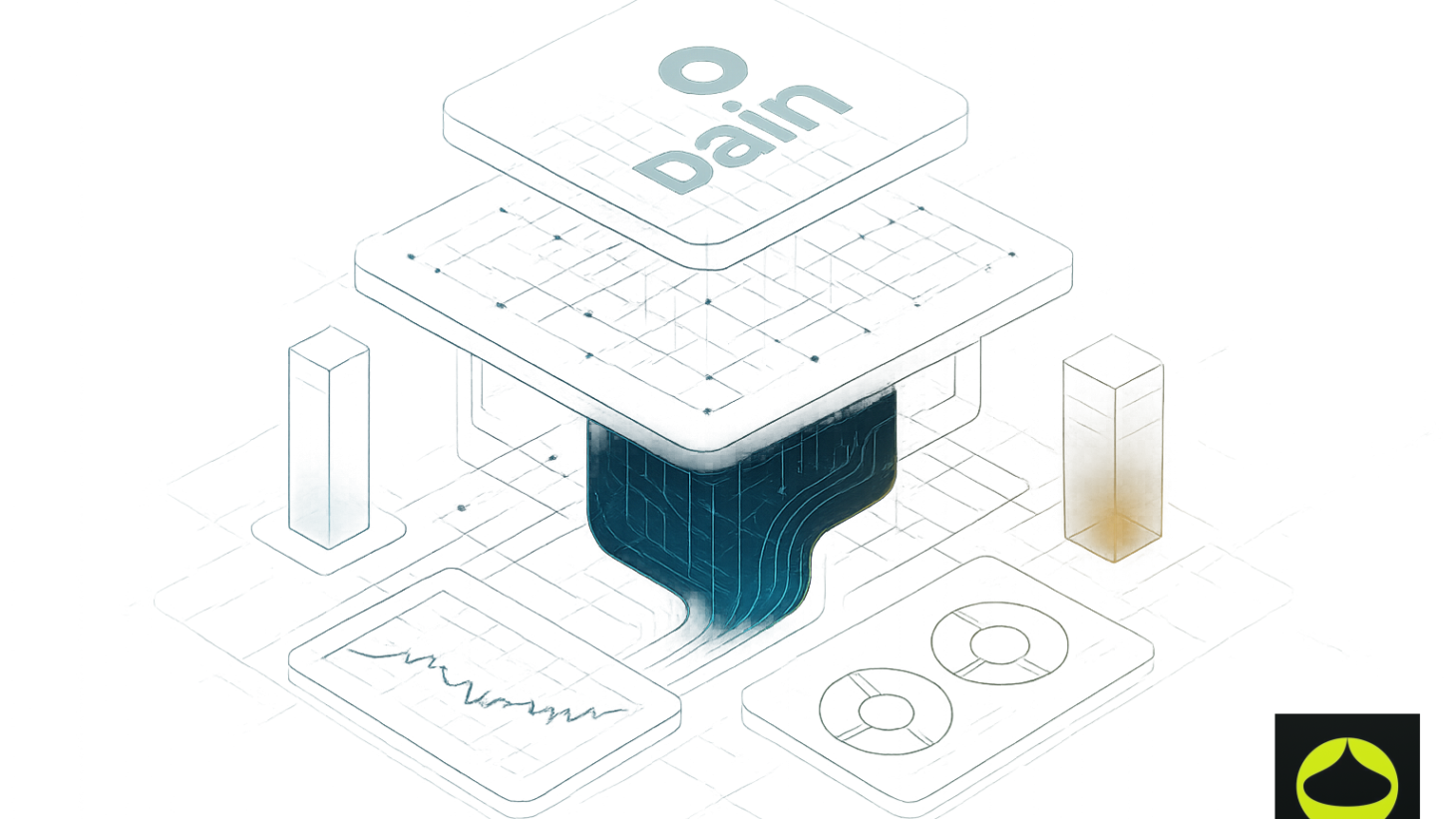
In the rapidly evolving landscape of decentralized finance, Rain emerges as a pioneering force, redefining decentralized prediction markets through its sophisticated AI-driven oracle infrastructure and Layer-2 Web3 developer protocols. Positioned as a leading Web3 prediction infrastructure network, Rain capitalizes on its builder-first platform architecture, autonomous AI-agent resolution framework, and a deflationary token model that burns 2.5% of trading volume to enhance network value.
Builder-First Platform Architecture
At the heart of Rain’s innovation is its builder-first platform architecture, designed to empower Web3 developers with the tools they need to create custom prediction platforms. Unlike traditional monolithic applications, Rain offers an open developer SDK and API infrastructure, enabling creators to launch and monetize private prediction hubs seamlessly. This flexibility allows developers to integrate prediction markets into diverse applications, broadening the scope of possibilities within the decentralized ecosystem.
Autonomous AI-Agent Resolution Framework
Rain’s autonomous AI-agent resolution framework is a game-changer in the realm of prediction markets. By leveraging automated AI resolution oracles, Rain ensures accurate and unbiased outcomes for prediction events. This system eliminates the need for human intervention, reducing the risk of manipulation and increasing the reliability of outcomes. The integration of AI oracles not only enhances the efficiency of prediction markets but also paves the way for more sophisticated and scalable applications.
Deflationary Token Model
A key feature that sets Rain apart is its deflationary token model. The native $RAIN token functions as the central fuel and governance mechanism for the entire prediction network. To drive network value, Rain implements a buyback-and-burn mechanism that automatically burns 2.5% of the trading volume. This deflationary model not only incentivizes participation but also aligns the interests of users and developers with the long-term growth of the platform.
Market Context and Comparisons
While the broader market witnesses developments such as AMC’s CEO criticizing Robinhood’s stock token and Zcash experiencing a significant price surge, Rain remains focused on its mission of transforming prediction markets. The market dynamics underscore the importance of robust, decentralized infrastructures like Rain’s, which offer transparency and scalability that many traditional systems lack.
Unlike platforms that face scrutiny over transparency and operational integrity, Rain addresses these concerns head-on with its transparent AI-driven framework and deflationary tokenomics. This approach not only distinguishes Rain in the crowded Web3 space but also positions it as a trustworthy platform for developers and traders alike.
Forward-Looking Implications
As the world continues to embrace decentralized technologies, Rain is well-positioned to lead the charge in prediction markets. Its commitment to providing a flexible, AI-enhanced, and economically sound platform makes it a formidable player in the Web3 space. With ongoing developments and potential partnerships on the horizon, Rain’s infrastructure could become a critical component of the decentralized ecosystem.
In conclusion, Rain’s innovative approach to decentralized prediction markets, through its builder-first architecture, autonomous AI resolution framework, and deflationary token model, sets a new standard for Web3 infrastructure networks. As the market continues to evolve, Rain’s strategic initiatives promise not only to attract developers and traders but also to sustain long-term growth and value creation within the decentralized finance landscape.