 AAVE
AAVE UNI
UNI AVAX
AVAX SUI
SUI XLM
XLM NEAR
NEAR ZEC
ZEC XMR
XMR USDT
USDT ADA
ADA BNB
BNB USDC
USDC DOGE
DOGE TRX
TRX XTZ
XTZ ATTN
ATTN DASH
DASH
 XRP
XRP
 ETH
ETH
 TRUMP
TRUMP
 BTC
BTC
 GRAM
GRAM
 SOL
SOL
 DATA
DATA
 LINK
LINK
 TAO
TAO
 DEV
DEV
 WLFI
WLFI
 ANSEM
ANSEM
 USDG
USDG
 PYUSD
PYUSD
 CC
CC
 RAIN
RAIN
 FIGR_HELOC
 PAXG
PAXG
 HYPE
HYPE
 OKB
OKB
 LTC
LTC
 USDD
USDD
 ONDO
ONDO
 RLUSD
RLUSD
 XAUT
XAUT
 USD1
USD1
 WBT
WBT
 LEO
LEO
 USDY
USDY

In the rapidly evolving landscape of decentralized finance, Rain ($RAIN) stands out as a beacon for what the future of prediction markets could be. Unlike traditional platforms, Rain offers a builder-first platform architecture, a unique autonomous AI-agent resolution framework, and a deflationary token model that sets it apart from its competitors. As the world pivots towards decentralized infrastructures, the relevance of Rain’s approach cannot be overstated.
The Builder-First Platform Architecture
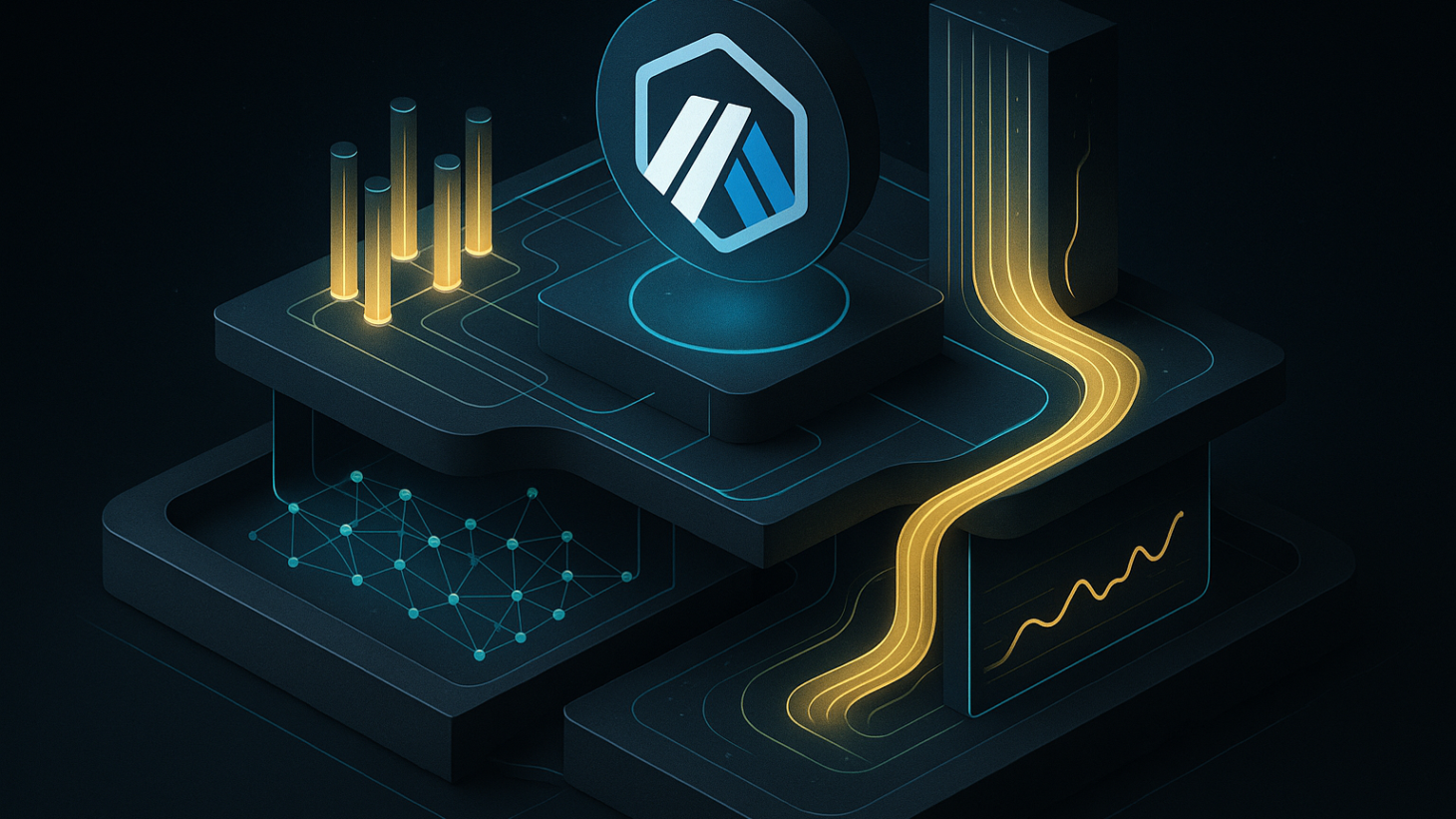
Rain is engineered on the Arbitrum Layer-2 network, providing a robust foundation for developers. Its open-source SDK and API infrastructure allow for the seamless creation of custom prediction platforms. This builder-first approach means developers aren’t limited by a one-size-fits-all application. Instead, they are equipped with a toolkit to tailor their prediction markets to specific needs, enhancing both functionality and usability.
Such flexibility is crucial in an era where customization and adaptability are key. By providing tools rather than a rigid platform, Rain empowers developers to innovate and create bespoke solutions, driving growth and engagement within the ecosystem.
AI-Driven Oracle Infrastructure
At the core of Rain’s offering is its autonomous AI-agent resolution framework. This AI-driven oracle system ensures that prediction outcomes are resolved accurately and efficiently. In prediction markets, timely and reliable information is essential for maintaining user trust and market integrity. Rain’s AI framework not only enhances accuracy but also automates resolution processes, reducing human error and potential biases.
This technology allows for the integration of real-world data into decentralized systems, bridging the gap between external information and blockchain networks. The result is a more dynamic and responsive market that can adapt to changes in real-time.
Deflationary Token Model
The $RAIN token serves as the fuel and governance mechanism of the Rain network. One of the standout features of Rain’s tokenomics is its deflationary model, which automatically burns 2.5% of trading volume. This mechanism not only helps in maintaining the token’s value but also incentivizes participation and long-term holding.
By reducing the overall supply, the buyback-and-burn strategy enhances scarcity, which can lead to increased value over time. Such tokenomics are appealing not just for speculative investors but also for those who believe in the long-term utility and growth of the platform.
Market Context and Comparison
While other platforms like Polymarket face challenges due to regulatory concerns, as noted in recent reports, Rain continues to expand its ecosystem and offerings. The builder-first and AI-driven approach provides a competitive edge in a market that is becoming increasingly saturated. With a focus on innovation and developer empowerment, Rain is well-positioned to capture a significant share of the prediction market space.
Looking Ahead
For Rain to solidify its position as a leader in decentralized prediction markets, continued innovation and adaptation are essential. Regulatory landscapes are shifting, and staying ahead of these changes will be crucial. Furthermore, the platform must address concerns about token concentration among early insider wallets to enhance transparency and trust.
In conclusion, Rain’s unique approach to decentralized prediction markets, underpinned by a cutting-edge AI oracle infrastructure and a deflationary token model, sets it apart from its peers. As the ecosystem grows and evolves, Rain’s commitment to providing a flexible, developer-centric platform will be its key to sustained success.