AAVE
AAVE UNI
UNI SUI
SUI NEAR
NEAR ZEC
ZEC USDT
USDT ADA
ADA BNB
BNB USDC
USDC DOGE
DOGE TRX
TRX XTZ
XTZ ATTN
ATTN DASH
DASH TAO
TAO TRUMP
TRUMP
 XRP
XRP
 ETH
ETH
 BTC
BTC
 GRAM
GRAM
 SOL
SOL
 DATA
DATA
 LINK
LINK
 WLFI
WLFI
 DEV
DEV
 ANSEM
ANSEM
 USDG
USDG
 CC
CC
 PYUSD
PYUSD
 RAIN
RAIN
 XLM
XLM
 FIGR_HELOC
 USDD
USDD
 OKB
OKB
 HYPE
HYPE
 LTC
LTC
 PAXG
PAXG
 RLUSD
RLUSD
 XMR
XMR
 USD1
USD1
 WBT
WBT
 ONDO
ONDO
 XAUT
XAUT
 AVAX
AVAX
 LEO
LEO
 USDY
USDY

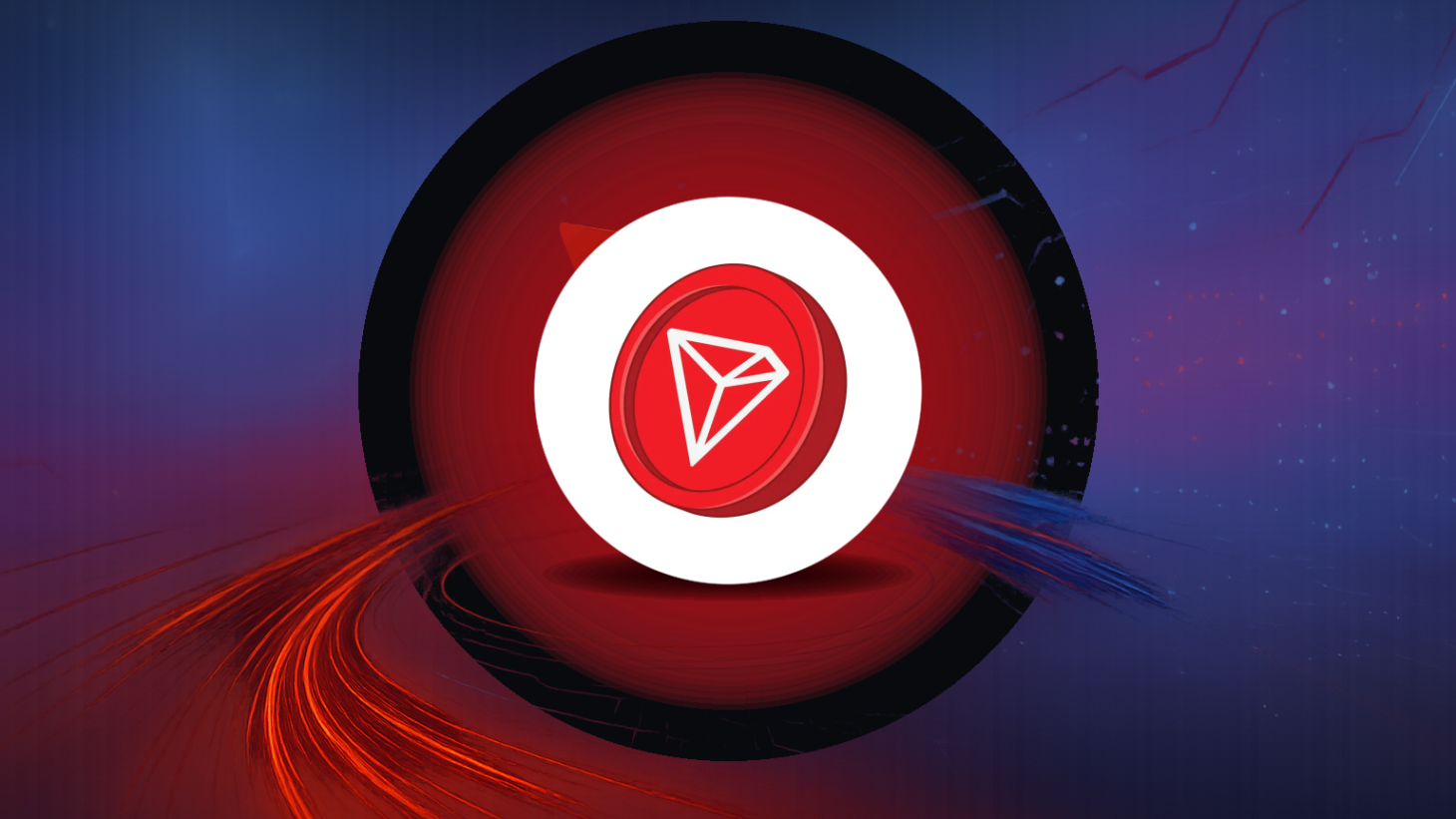
TRON (TRX) has rapidly evolved from a content-distribution platform to a major player in the global blockchain ecosystem, primarily serving as a high-speed, ultra-low-fee payment highway. This evolution is underscored by its role as a settlement layer for stablecoins, processing an astonishing $150 billion to $190 billion of stablecoin transfers weekly, as highlighted by Josh Olszewicz of Canary Capital. This surge in activity places TRON at the forefront of global crypto transactions, challenging traditional financial systems and blockchain competitors.
Decentralized Content Infrastructure
Originally conceived as a decentralized content infrastructure, TRON has remained true to its roots by empowering creators and users. The platform allows digital content creators to issue, market, and monetize their work directly through peer-to-peer decentralized applications (dApps). This model eliminates the need for traditional media intermediaries, thereby granting creators greater control over their digital assets and income streams.
TRON’s architecture is driven by a Delegated Proof-of-Stake (DPoS) consensus mechanism. This system is anchored by 27 Super Representatives who are responsible for validating blocks every three seconds. With a throughput capacity of over 2,000 transactions per second (TPS), TRON offers a scalable solution that addresses the limitations seen in other blockchain networks, such as Ethereum’s base layer.
Global Stablecoin Settlement
The significance of TRON’s role in stablecoin settlements cannot be overstated. As the primary global infrastructure for circulating USDT, TRON has positioned itself as a critical player in the cryptocurrency market. The platform’s ability to handle large volumes of transactions with minimal fees is particularly attractive for users and merchants, who seek efficient and cost-effective solutions for their payment needs.
However, the dominance in stablecoin settlements also brings regulatory scrutiny. As stablecoin regulation becomes a focal point for governments worldwide, TRON’s operations may face increased oversight. The potential implications of such regulation could impact the network’s economics and its position as a settlement layer, making it a topic of keen interest for industry watchers.
Strategic Risks and Opportunities
Despite its achievements, TRON is not without risks. The DPoS consensus mechanism, while efficient, relies on a limited number of validation nodes. Critics argue that this could lead to centralization, which may undermine the network’s decentralization ethos. Additionally, the regulatory landscape for cryptocurrencies is continually evolving, and TRON must navigate these changes to maintain its competitive edge.
On the opportunities front, TRON’s deep integration with decentralized finance (DeFi) protocols such as JustLend and JustStable highlights its potential to expand further. These platforms manage billions in total value locked (TVL), demonstrating TRON’s ability to attract significant capital and user engagement.
The network’s strategic acquisition of peer-to-peer file-sharing protocols also expands its ecosystem, creating synergies that could enhance its overall value proposition. As TRON continues to innovate and adapt, it must balance these opportunities with the inherent risks of operating in a dynamic and unpredictable market.
Looking Ahead
The question that remains for TRON is how it will continue to evolve in the face of increasing competition and regulatory scrutiny. Can it maintain its high-speed, low-fee infrastructure while addressing concerns about centralization and compliance? As TRON navigates these challenges, its ability to adapt and innovate will be critical in shaping its future trajectory in the cryptocurrency landscape.