 AAVE
AAVE NEAR
NEAR ZEC
ZEC USDT
USDT ADA
ADA BNB
BNB USDC
USDC DOGE
DOGE TRX
TRX XTZ
XTZ ATTN
ATTN DASH
DASH TAO
TAO TRUMP
TRUMP XRP
XRP SOL
SOL
 ETH
ETH
 BTC
BTC
 GRAM
GRAM
 DATA
DATA
 LINK
LINK
 WLFI
WLFI
 DEV
DEV
 ANSEM
ANSEM
 UNI
UNI
 USDG
USDG
 CC
CC
 PYUSD
PYUSD
 RAIN
RAIN
 XLM
XLM
 FIGR_HELOC
 SUI
SUI
 USDD
USDD
 USD1
USD1
 HYPE
HYPE
 LTC
LTC
 PAXG
PAXG
 XMR
XMR
 ONDO
ONDO
 WBT
WBT
 OKB
OKB
 RLUSD
RLUSD
 XAUT
XAUT
 AVAX
AVAX
 LEO
LEO
 USDY
USDY
 HTX
HTX

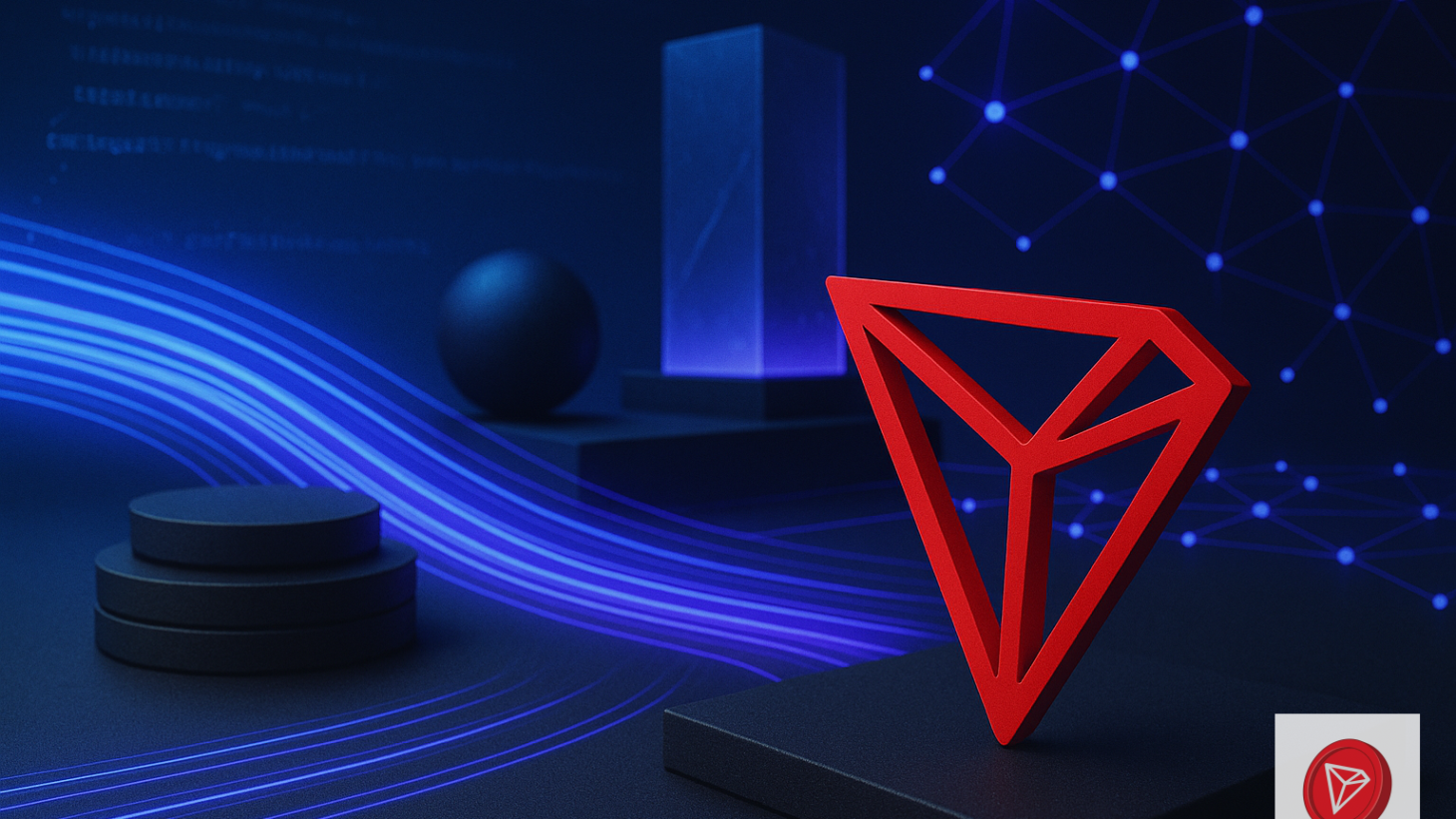
In an era where digital content creation is undergoing a radical transformation, TRON (TRX) emerges as a formidable force in the blockchain universe. As a high-throughput, open-source Layer-1 blockchain, TRON is not just another player in the crypto space; it positions itself as a high-speed, ultra-low-fee global payment highway. This infrastructure bypasses traditional corporate gatekeepers, giving creators and everyday users complete control over their digital wealth.
Decentralized Content Infrastructure
TRON’s architecture is anchored by a Delegated Proof-of-Stake (DPoS) consensus mechanism, where 27 elected Super Representatives validate blocks every three seconds. This model enables a high throughput of over 2,000 transactions per second (TPS), a significant advantage over many competitors in the blockchain space. By eliminating intermediaries, TRON empowers creators to issue, market, and monetize their digital content directly through peer-to-peer decentralized applications (dApps).
This decentralization is crucial as it addresses the critical issues of scalability and transaction costs plaguing legacy blockchain networks like Ethereum’s base layer. By acting as a highly efficient public utility, TRON provides the primary global infrastructure for circulating the USDT stablecoin, making it integral to the crypto market.
Global Stablecoin Settlement
TRON’s robust ecosystem is heavily anchored by decentralized finance (DeFi) protocols like JustLend and JustStable, which manage billions in total value locked. These platforms offer users the ability to lend, borrow, and earn on their digital assets, further extending TRON’s reach in the DeFi space. Moreover, TRON’s deep integrations with peer-to-peer file-sharing protocols, through its acquisition of BitTorrent, highlight its commitment to creating a decentralized internet infrastructure.
The TRX token is crucial in driving the economic and governance systems of the TRON network. Users can burn TRX to pay for gas fees if their accounts lack computational resources, or they can freeze (stake) the token to participate in network governance. This dual utility ensures that TRX remains a central element of the TRON ecosystem.
Market Backdrop and Challenges
While TRON has positioned itself as a disruptive force, it operates within a broader market context influenced by regulatory developments and macroeconomic factors. For instance, the recent U.S. Federal Reserve rate hike, as reported by CoinDesk, can impact investor sentiment across the crypto markets, including TRON. Additionally, regulatory scrutiny remains a concern for TRON, given its reliance on only 27 validation nodes, which critics argue makes the blockchain more centralized than its peers.
Despite these challenges, TRON’s focus on innovation and its community-led approach continue to drive its growth. The platform’s emphasis on security, reliability, and credibility underscores its commitment to providing a trustworthy environment for digital transactions.
The Road Ahead
As TRON continues to evolve, several unanswered questions remain. How will TRON navigate the regulatory landscape, and what strategies will it employ to ensure its network remains decentralized and secure? Furthermore, as the platform integrates more DeFi and dApp solutions, how will it maintain its competitive edge against other rapidly advancing blockchain networks?
In conclusion, TRON stands as a testament to the power of decentralized technology in reshaping digital content and finance. As it continues to innovate and expand its ecosystem, the platform is poised to play a pivotal role in the future of digital transactions. For creators and users looking to take control of their digital assets, TRON offers a compelling solution in the ever-evolving world of blockchain technology.