XTZ
XTZ TAO
TAO TRUMP
TRUMP XRP
XRP SOL
SOL ETH
ETH LINK
LINK BTC
BTC TONCOIN
 DASH
DASH WLFI
WLFI RICH
RICH DEV3
DEV3 ATTN
ATTN STORY
STORY




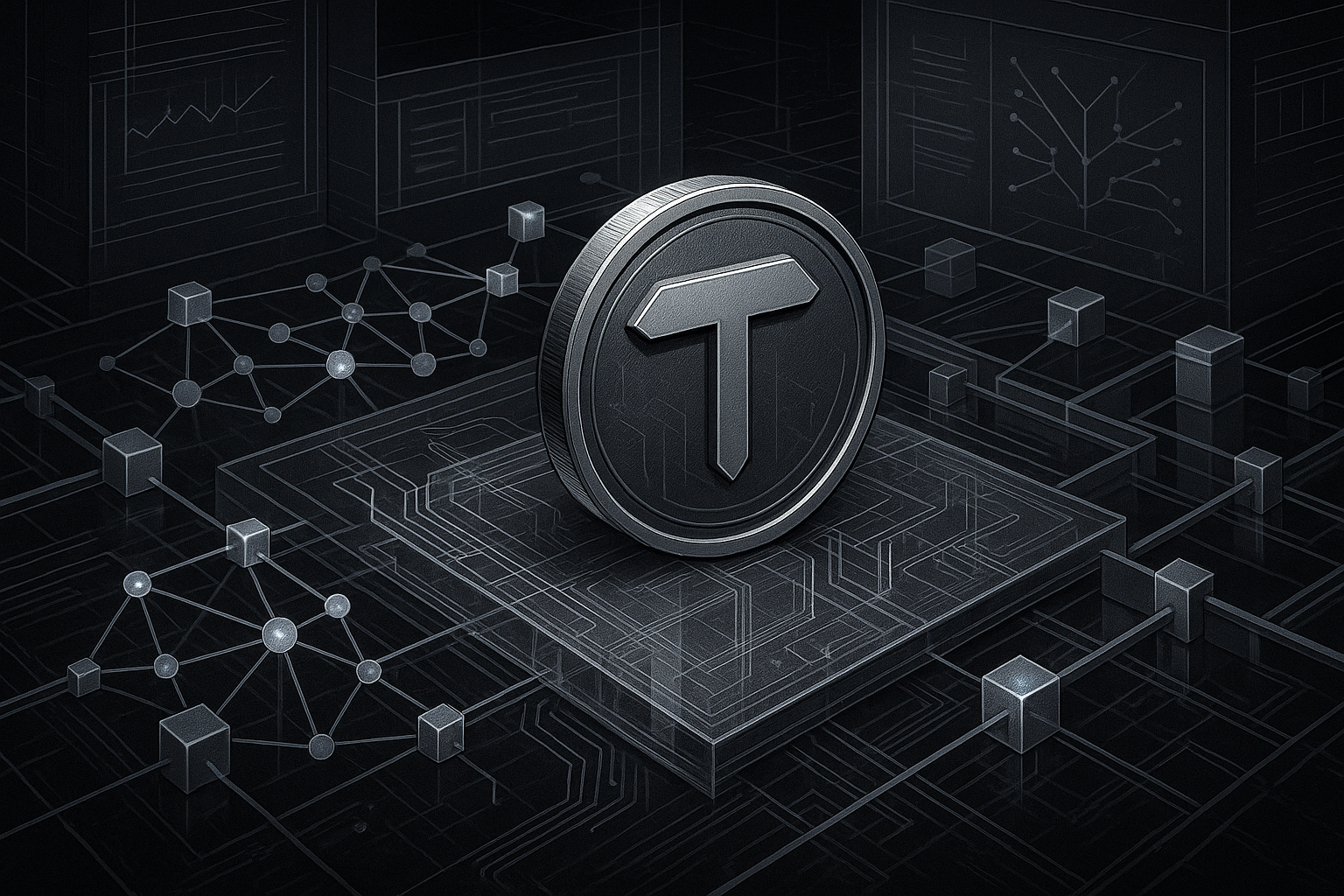
Bittensor: Revolutionizing AI with Decentralized Blockchain Innovation

The landscape of artificial intelligence is undergoing a seismic shift, and at the heart of this transformation is Bittensor. As an open-source protocol, Bittensor utilizes blockchain technology to create a decentralized machine learning network, aiming to democratize AI development and distribution.
Decentralization: A Paradigm Shift in AI
Traditional AI development has been largely centralized, dominated by tech giants with access to vast amounts of data and computing power. Bittensor, however, offers a fresh perspective by enabling a decentralized marketplace for AI. This approach allows machine learning models to train collaboratively, rewarding them in TAO tokens based on the informational value they provide.
This decentralized model is not just a technological shift but also a significant change in market dynamics. By countering the centralization of AI, Bittensor empowers smaller players and individual developers, leveling the playing field in a domain historically controlled by a few large entities.
The Mechanics of Bittensor
At its core, Bittensor functions with two types of nodes: servers and validators. These nodes are assessed based on the value of their responses, with higher-value nodes receiving more stake in TAO tokens. This incentivizes quality and innovation, allowing the network to self-regulate and optimize over time.
Moreover, Bittensor’s open-access model encourages global participation, enabling anyone with computing power, data, or expertise to contribute and earn rewards. This not only democratizes AI but also fosters an environment of continuous learning and improvement.
Economic Implications and Opportunities
The introduction of Bittensor’s TAO token as the primary economic engine presents new opportunities for stakeholders. TAO functions as a reward and incentive layer, an access and staking mechanism, and a governance tool within the network. This multifaceted utility makes TAO integral to the network’s operation and growth.
Investors and developers stand to benefit significantly from this system. By participating in the network, they gain access to a global marketplace where AI models can be developed, shared, and improved upon in a transparent and trustless context. This could potentially reduce costs and increase innovation, driving the AI sector forward.
Potential Challenges and Risks
Despite its promising framework, Bittensor faces several challenges. Centralization concerns persist, especially regarding validator power concentration. Additionally, the high emissions of TAO tokens could lead to token dilution, affecting its value and attractiveness.
Regulatory uncertainties also loom large, with potential classifications of AI-reward subnets by authorities like the SEC posing risks to the ecosystem’s stability. Moreover, the fierce competition in the AI and blockchain sectors could impact Bittensor’s market position.
Conclusion: The Path Ahead
The future of Bittensor hinges on its ability to address these challenges while continuing to innovate and expand its network. Success will depend on maintaining a balanced token supply, ensuring decentralized governance, and navigating regulatory landscapes effectively.
Ultimately, Bittensor represents a bold step towards a more open and equitable AI future. By enabling decentralized collaboration and innovation, it challenges the status quo, offering a glimpse into a world where AI is accessible to all, not just the privileged few.