 AAVE
AAVE UNI
UNI SHIB
SHIB AVAX
AVAX SUI
SUI XLM
XLM NEAR
NEAR ZEC
ZEC XMR
XMR USDT
USDT HYPE
HYPE ADA
ADA BNB
BNB USDC
USDC DOGE
DOGE TRX
TRX ANSEM
ANSEM
 XRP
XRP
 ETH
ETH
 TRUMP
TRUMP
 BTC
BTC
 GRAM
GRAM
 SOL
SOL
 DATA
DATA
 LINK
LINK
 TAO
TAO
 DASH
DASH
 XTZ
XTZ
 ATTN
ATTN
 DEV
DEV
 WLFI
WLFI
 USDG
USDG
 CC
CC
 PYUSD
PYUSD
 PAXG
PAXG
 RAIN
RAIN
 FIGR_HELOC
 ONDO
ONDO
 RLUSD
RLUSD
 LTC
LTC
 OKB
OKB
 USDD
USDD
 XAUT
XAUT
 USD1
USD1
 WBT
WBT
 USDY
USDY
 LEO
LEO

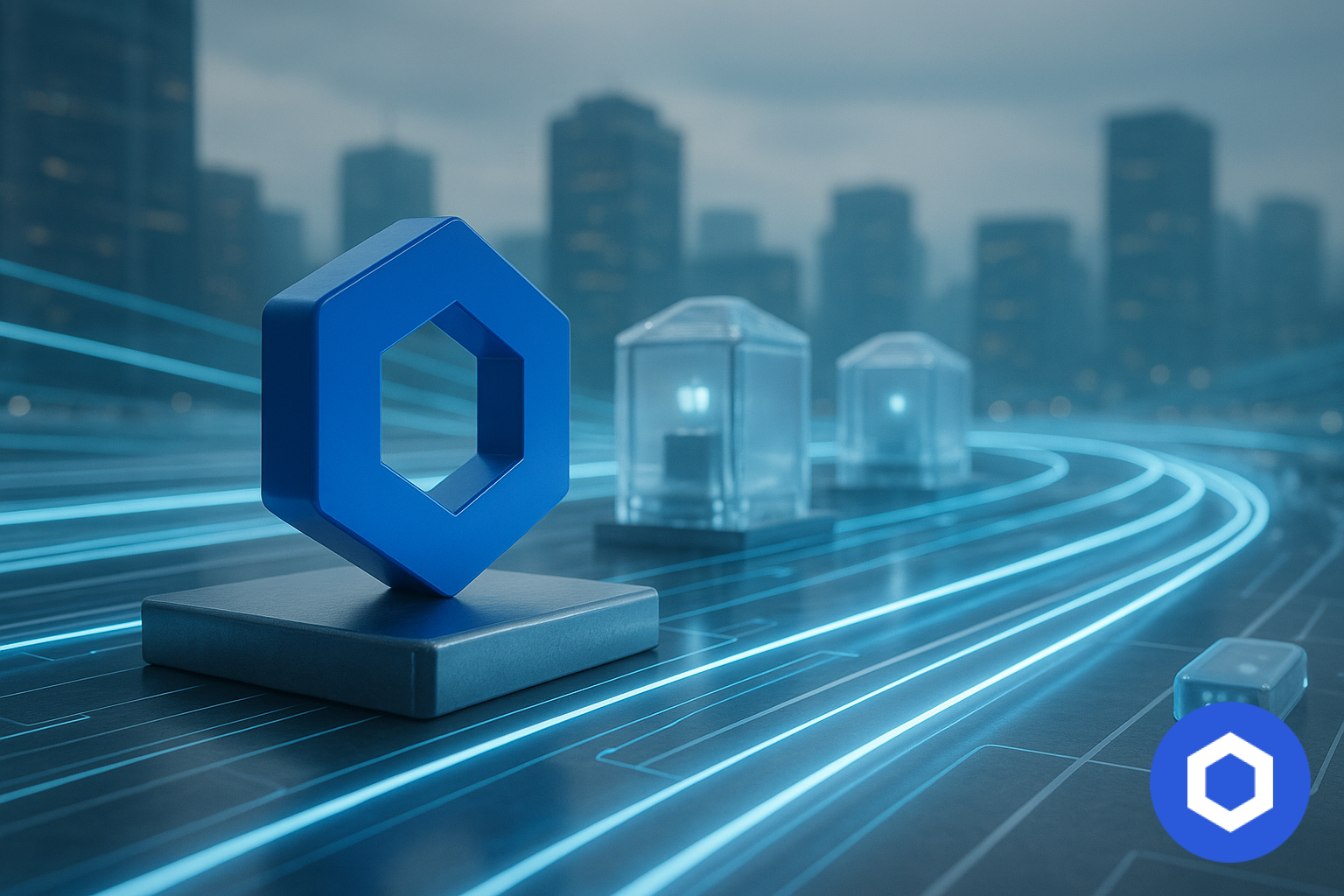
In the rapidly evolving blockchain ecosystem, Chainlink stands out as an essential bridge, connecting isolated blockchain networks with real-world data. This decentralized oracle network has become a vital component for smart contracts, enabling them to function beyond the confines of blockchain by accessing external data sources. As the landscape of decentralized finance (DeFi) and blockchain technology continues to expand, Chainlink’s role becomes even more significant.
Understanding the Oracle Problem
The primary challenge that Chainlink addresses is the ‘oracle problem’—the inability of blockchains to access external data on their own. Chainlink’s decentralized oracle networks solve this by acting as a secure intermediary that fetches and validates off-chain data, ensuring that smart contracts operate with reliable and tamper-proof information.
Key Features and Innovations
Chainlink’s offerings extend beyond basic data delivery. The platform provides a comprehensive suite that includes data, computing, and cross-chain interoperability. This has positioned Chainlink as the industry-standard infrastructure layer, facilitating thousands of integrations across public Web3 protocols and real-world applications.
The native utility token, LINK, powers the entire Chainlink network. It functions as a payment currency within the network, a collateral mechanism, and a tool for network security. The demand for LINK is further driven by its use in incentivizing node operators to provide accurate and reliable data, ensuring the network’s overall robustness.
Tokenization and Market Impact
Tokenization is a transformative trend in the financial industry, and Chainlink plays a crucial role in this evolution. By providing secure and reliable data feeds, Chainlink enables the tokenization of real-world assets, bridging traditional financial systems with blockchain technology. This capability is increasingly crucial as more institutions explore blockchain for asset management and trading.
Recent developments, such as Securitize’s move to trade on the NYSE, underscore the growing importance of tokenization in mainstream finance. While not directly related to Chainlink, these trends highlight the burgeoning opportunities for platforms like Chainlink that facilitate seamless data integration and interoperability.
Adoption and Ecosystem Growth
Chainlink’s adoption has been prolific, with its oracles now securing billions in value across various DeFi platforms. Major industry players have integrated Chainlink’s oracles to enhance the functionality and security of their smart contracts. This widespread adoption is a testament to the trust and reliability that Chainlink provides.
Moreover, Chainlink’s ecosystem continues to grow, encompassing a diverse range of projects and collaborations. This growth not only strengthens Chainlink’s market position but also fosters innovation within the broader blockchain community.
Risks and Opportunities
While Chainlink’s position as a critical middleware in the Web3 ecosystem offers substantial opportunities, it also exposes the platform to unique risks. These include systemic and operational risks, as well as macroeconomic factors that could impact the network’s stability and performance. Users and developers must consider these risks carefully, balancing them against the potential benefits of using Chainlink’s services.
In conclusion, Chainlink plays a pivotal role in bridging the gap between blockchain and real-world data, driving innovation and adoption in the DeFi space. As the industry continues to evolve, Chainlink’s comprehensive suite of services positions it as a leader in blockchain oracle networks, offering unparalleled opportunities for developers and financial institutions alike.