AAVE
AAVE UNI
UNI AVAX
AVAX SUI
SUI XLM
XLM NEAR
NEAR ZEC
ZEC XMR
XMR USDT
USDT ADA
ADA BNB
BNB USDC
USDC DOGE
DOGE TRX
TRX XTZ
XTZ ATTN
ATTN DASH
DASH
 XRP
XRP
 ETH
ETH
 TRUMP
TRUMP
 BTC
BTC
 GRAM
GRAM
 SOL
SOL
 DATA
DATA
 LINK
LINK
 TAO
TAO
 DEV
DEV
 WLFI
WLFI
 ANSEM
ANSEM
 USDG
USDG
 PYUSD
PYUSD
 CC
CC
 RAIN
RAIN
 FIGR_HELOC
 PAXG
PAXG
 HYPE
HYPE
 OKB
OKB
 USDD
USDD
 LTC
LTC
 RLUSD
RLUSD
 ONDO
ONDO
 USD1
USD1
 XAUT
XAUT
 WBT
WBT
 LEO
LEO
 USDY
USDY

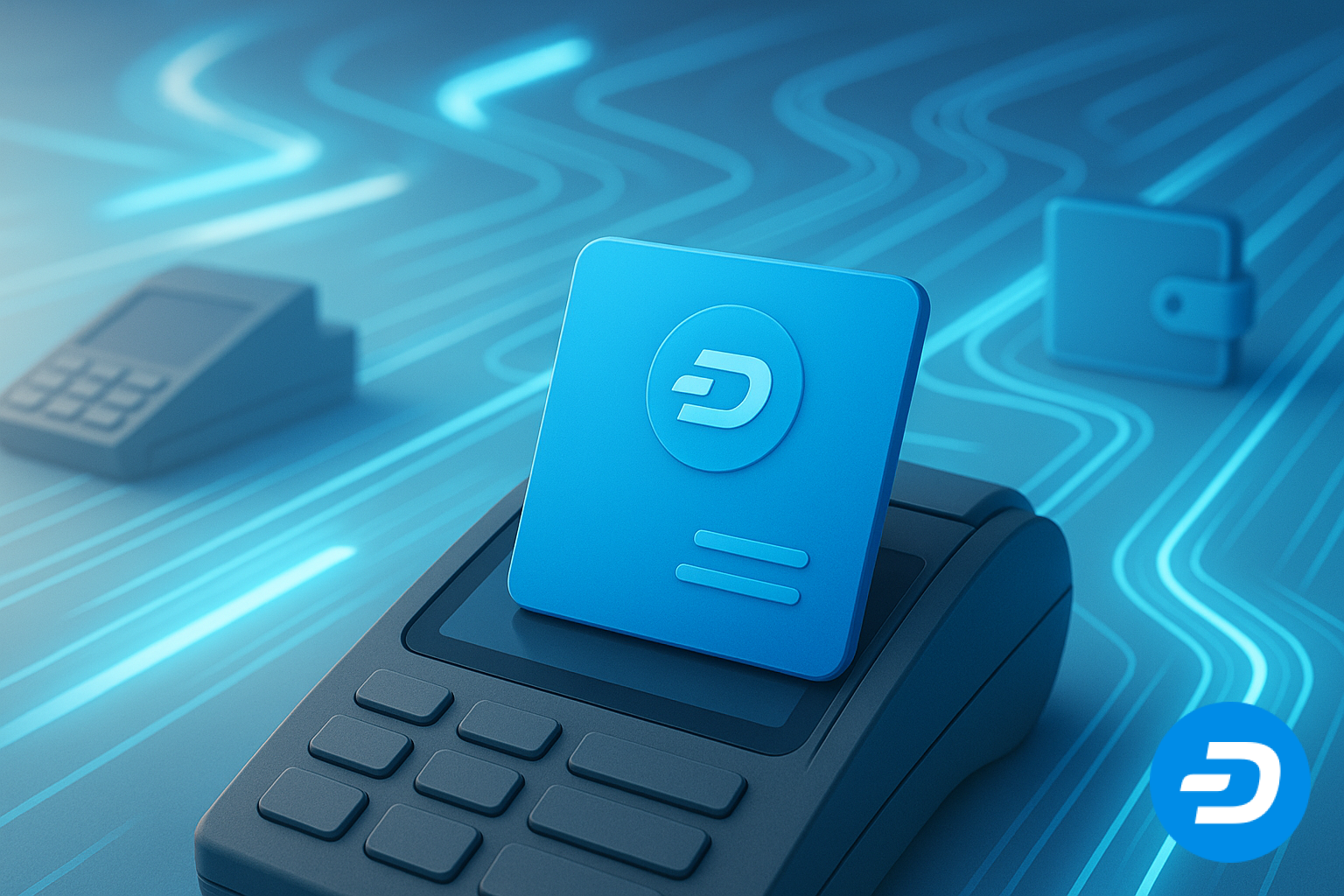
In the rapidly evolving world of cryptocurrency, Dash has carved out a distinct niche as a digital cash platform designed for everyday transactions. Unlike many cryptocurrencies that serve primarily as speculative assets, Dash is committed to being a practical, user-friendly payment solution. Launched in 2014, Dash has steadily built a reputation for offering fast, affordable, and private transactions, making it an attractive option for both consumers and merchants globally.
Speed and Efficiency: The Core of Dash
One of Dash’s defining features is its ability to process transactions almost instantly. This efficiency is achieved through its unique two-tier network architecture, which utilizes a system of Masternodes. These specialized nodes are responsible for validating transactions and ensuring network security, allowing Dash to offer its InstantSend feature. This feature enables transactions to be confirmed in seconds, providing a seamless experience similar to traditional cash transactions.
Privacy: A Key Selling Point
In an era where privacy is increasingly valued, Dash stands out with its optional privacy feature, CoinJoin. This mechanism allows users to mix their coins with others in a single transaction, thus obscuring the trail of individual transactions and enhancing privacy. While not as anonymity-focused as some other cryptocurrencies, Dash’s balance of privacy and transparency appeals to users who want confidentiality without the stigma of being associated with illicit activities.
Real-World Applications and Adoption
Dash’s focus on being a payment solution has led to its adoption by thousands of merchants worldwide. From retail stores to online platforms, Dash provides a viable alternative to traditional payment methods, particularly in regions with unstable currencies or limited banking infrastructure. By offering low transaction fees and a user-friendly experience, Dash is empowering unbanked populations and facilitating financial inclusion.
Market Position and Competition
While Ethereum, as highlighted in recent news, is undergoing significant upgrades to enhance its privacy and scalability, Dash remains a strong contender in the payment-focused cryptocurrency sector. Unlike Ethereum, which is often viewed as a platform for decentralized applications, Dash has maintained its focus on being a digital cash solution. This specialization gives Dash an edge in markets where speed and cost-efficiency are paramount.
Challenges and Regulatory Concerns
Despite its advantages, Dash faces challenges, particularly in the form of regulatory scrutiny. Privacy coins are often viewed with suspicion by regulators due to concerns about money laundering and tax evasion. Dash’s optional privacy feature could attract unwanted attention, potentially impacting its adoption and market position. Furthermore, the cryptocurrency’s price volatility remains a concern for users seeking a stable means of transaction.
The Future of Dash
For Dash to solidify its position as a leader in the digital cash sector, it must navigate the regulatory landscape carefully while continuing to innovate its technology. The integration of more user-friendly features and expansion into new markets could bolster its adoption. The future success of Dash hinges on maintaining its dual focus on speed and privacy while adapting to the evolving demands of the global financial ecosystem.
Ultimately, Dash’s commitment to providing a practical, secure, and private transaction solution makes it a formidable player in the cryptocurrency market. As digital payments become increasingly mainstream, Dash’s unique attributes position it well to capitalize on this growing trend.