 XRP
XRP AAVE
AAVE ZEC
ZEC USDT
USDT ADA
ADA BNB
BNB DOGE
DOGE TRX
TRX XTZ
XTZ DASH
DASH TAO
TAO TRUMP
TRUMP SOL
SOL ETH
ETH LINK
LINK BTC
BTC NEAR
NEAR
 GRAM
GRAM
 DATA
DATA
 WLFI
WLFI
 ATTN
ATTN
 DEV
DEV
 ANSEM
ANSEM
 UNI
UNI
 CC
CC
 USDC
USDC
 RAIN
RAIN
 XLM
XLM
 USDG
USDG
 HYPE
HYPE
 SUI
SUI
 PYUSD
PYUSD
 WBT
WBT
 RLUSD
RLUSD
 USD1
USD1
 USDD
USDD
 XMR
XMR
 ONDO
ONDO
 PAXG
PAXG
 AVAX
AVAX
 OKB
OKB
 LEO
LEO
 LTC
LTC
 FIGR_HELOC
 XAUT
XAUT
 HTX
HTX
 USDY
USDY

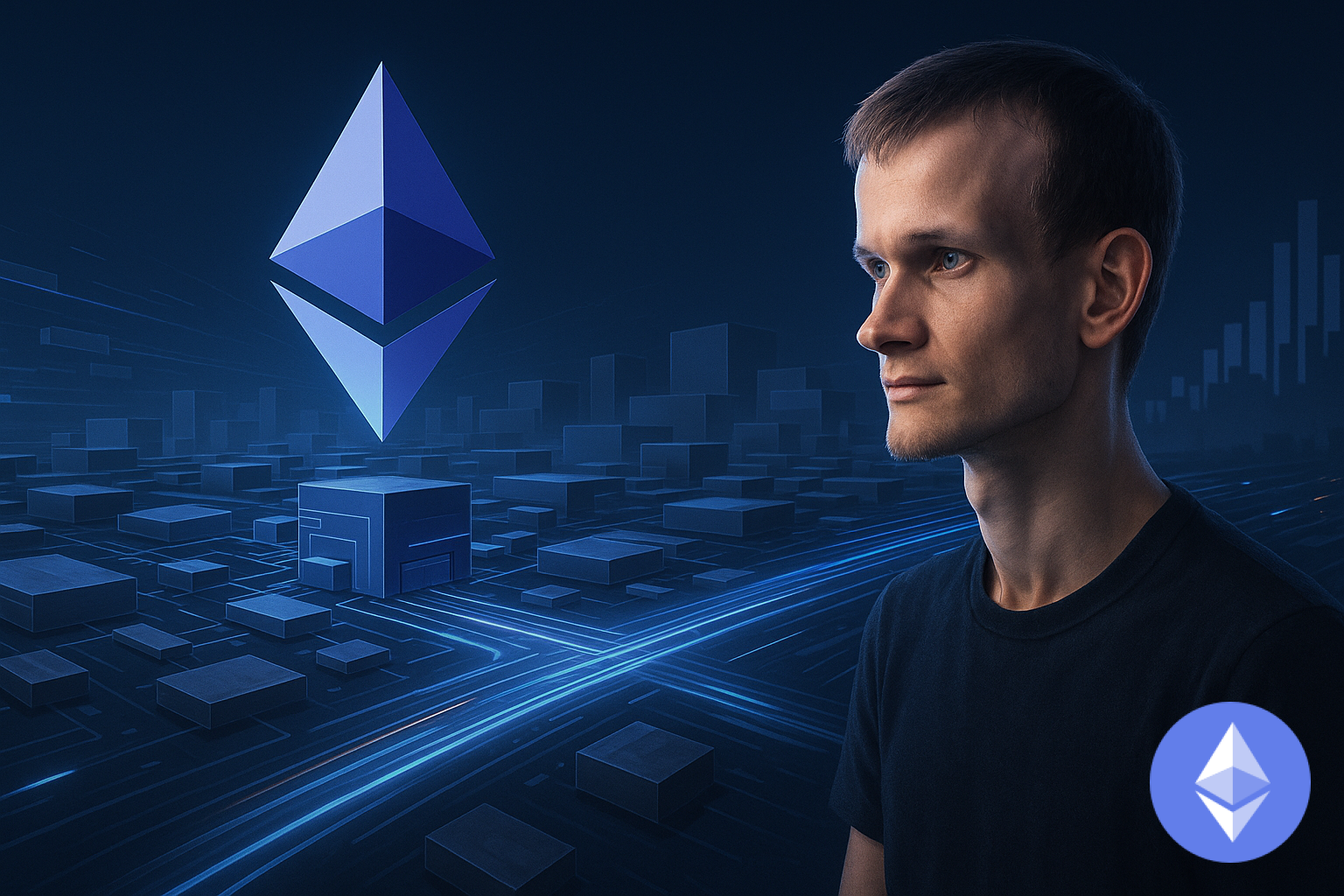
Ethereum, the world’s leading decentralized computing platform, is on the cusp of a significant transformation. Spearheaded by co-founder Vitalik Buterin, the network is set to undergo its most ambitious overhaul since the Merge. This strategic advancement aims to enhance Ethereum’s protocol, prioritizing quantum resistance and privacy. With Ether (ETH) experiencing a 12% rally in recent days, stakeholders are keenly observing these developments.
Vitalik Buterin’s Vision
Vitalik Buterin’s roadmap emphasizes Ethereum’s role as more than just a cryptocurrency. It positions the network as a global digital infrastructure, capable of supporting smart contracts and decentralized applications (dApps). The revised roadmap outlines a multi-year plan that seeks to replace nearly every major component of Ethereum’s existing protocol. This transformation is not merely about upgrading technology; it’s about redefining what Ethereum can achieve as a decentralized computing platform.
The Lean Ethereum Strawmap
The “Lean Ethereum” strawmap has gained traction among developers and researchers, highlighting a consensus for change. However, the crux of the matter lies in the execution. Developers are eager to embrace this vision but express concerns over the speed of implementation. The challenge is not deciding what to build, but how swiftly and efficiently it can be realized. This urgency stems from the need to maintain Ethereum’s competitive edge in the rapidly evolving blockchain space.
Staking and Growth
Ethereum’s shift to proof-of-stake has been a pivotal moment in its history. Staking not only enhances the network’s security but also incentivizes holders to participate in its governance. As Ethereum continues to grow, staking becomes an integral part of its ecosystem, encouraging more users to engage actively. This mechanism aligns with Buterin’s vision of a decentralized platform governed by its community.
Strategic Risks and Challenges
While Ethereum’s roadmap is ambitious, it is not without risks. The network faces potential vulnerabilities in smart contracts, scalability issues, and regulatory challenges. Moreover, the shift towards enhanced privacy and quantum resistance introduces new complexities. These factors underscore the importance of meticulous planning and execution to mitigate risks while pursuing growth.
Furthermore, Ethereum’s evolution will be closely watched by market participants and developers alike. The network’s ability to adapt and innovate will determine its long-term success. As Ethereum positions itself at the forefront of decentralized computing, its strategic decisions will have far-reaching implications.
Market Impact and Future Outlook
Ethereum’s ongoing development and the strategic initiatives outlined by Buterin have significant market implications. The network’s enhancements are expected to attract more developers, foster innovation, and drive adoption. As Ethereum solidifies its position as a global digital infrastructure, it will likely see increased participation from enterprises and developers seeking to leverage its capabilities.
The recent rally in Ether’s price reflects growing confidence in Ethereum’s future. However, the network’s success hinges on its ability to deliver on its promises while navigating the inherent challenges of rapid technological advancement. As Ethereum embarks on this transformative journey, its trajectory will be shaped by its ability to innovate and execute effectively.
In conclusion, Ethereum’s strategic evolution, guided by Vitalik Buterin’s vision, represents a pivotal moment in its history. The network’s focus on decentralized computing, smart contracts, and staking positions it as a leader in the blockchain space. As Ethereum continues to grow and evolve, its capacity to adapt will be a critical determinant of its long-term success.