XTZ
XTZ DASH
DASH TAO
TAO TRUMP
TRUMP XRP
XRP TONCOIN
 SOL
SOL ETH
ETH LINK
LINK BTC
BTC WLFI
WLFI RICH
RICH DEV3
DEV3 ATTN
ATTN




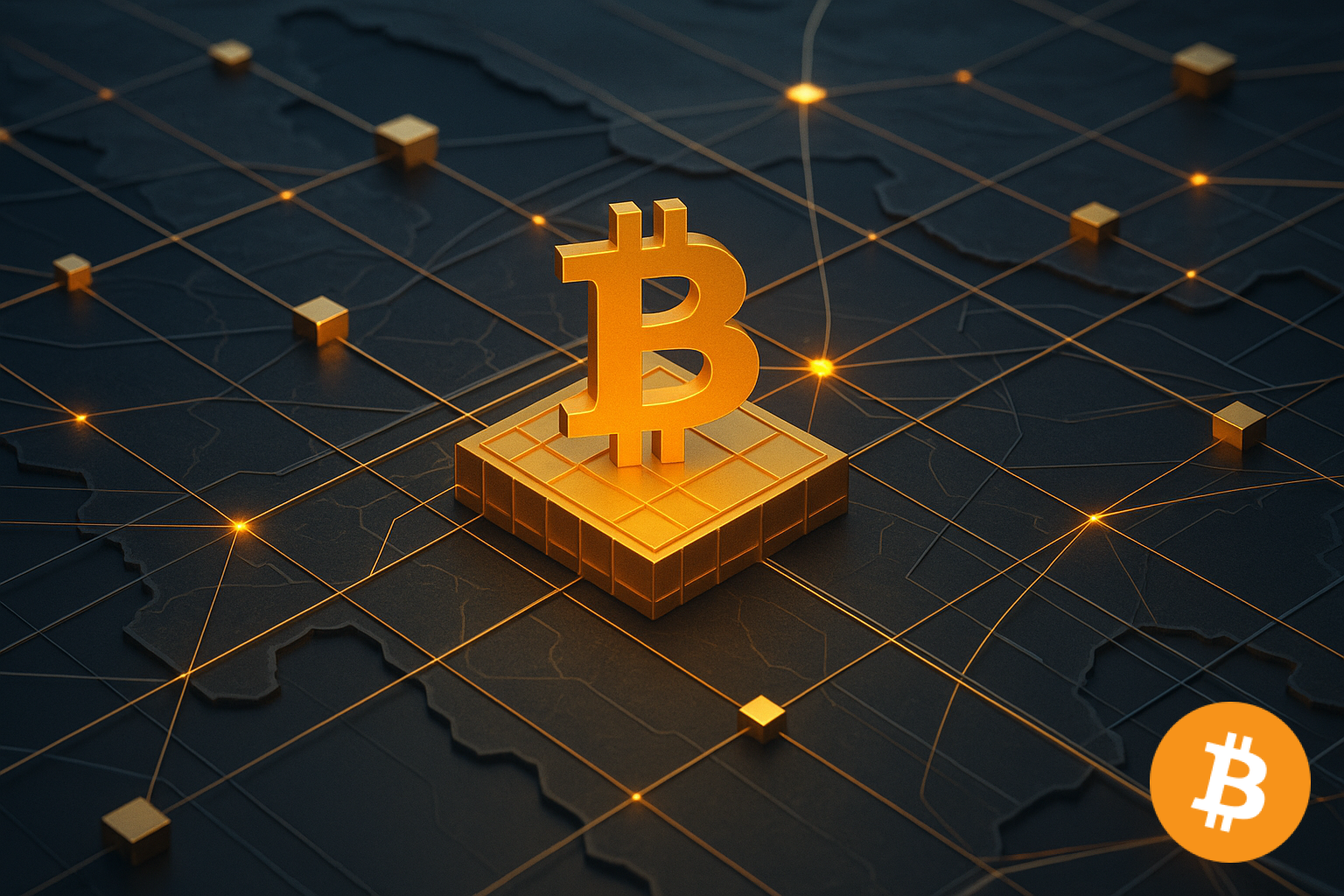
Bitcoin’s Long-Term Growth Amid Market Volatility Explained
Bitcoin, the pioneering decentralized digital currency, has been at the forefront of a financial revolution since its inception. As the world’s first digital currency, Bitcoin offers a unique combination of financial independence, digital scarcity, and the ability to conduct borderless transactions without the need for traditional banking systems. However, its journey is also characterized by significant market volatility, as evidenced by recent market movements.
The Current Market Landscape
Recently, Bitcoin’s price surged to $65,000, reflecting positive sentiment due to favorable inflation data from the U.S. This spike was a welcome change after Bitcoin ETFs in the U.S. experienced a significant outflow of $425 million followed by an influx of $181 million, as reported by SoSoValue. Despite the fluctuations, Bitcoin’s long-term growth potential remains a topic of interest for investors and market analysts alike.
Inflation and Market Dynamics
The latest Consumer Price Index (CPI) report in the U.S. showed a cooling inflation rate, reducing the likelihood of further interest rate hikes by the Federal Reserve. This development was pivotal in driving Bitcoin’s recent price increase. According to CoinDesk, the odds of a rate hike plummeted from 43% to 13% following the CPI release, indicating a more favorable macroeconomic environment for Bitcoin.
These economic indicators highlight Bitcoin’s potential as a hedge against traditional market instability. The decentralized nature of Bitcoin allows it to operate independently of centralized financial systems, making it an attractive option for those seeking to protect their assets against inflation and currency devaluation.
Long-Term Growth Potential
Bitcoin’s long-term growth is underpinned by its foundational characteristics. The fixed supply cap of 21 million coins ensures absolute digital scarcity, protecting users from inflationary pressures that affect fiat currencies. Bitcoin’s decentralized network, secured by a robust consensus mechanism, offers a reliable and transparent financial system.
The Bitcoin ecosystem has evolved significantly, with the introduction of Layer 2 solutions like the Lightning Network enhancing transaction speeds and reducing costs. These innovations are crucial for scaling Bitcoin’s utility as a medium of exchange and increasing its adoption as a global financial asset.
Volatility and Its Implications
Despite its potential, Bitcoin’s journey is not without challenges. Market volatility remains a significant risk, as seen with sudden price swings influenced by macroeconomic factors and geopolitical events. For instance, rising tensions between the U.S. and Iran recently tempered Bitcoin’s gains, showcasing the currency’s sensitivity to global developments.
Investors must navigate these fluctuations, balancing the allure of high returns with the inherent risks. Strategies such as increasing dollar reserves, as highlighted by CEO Le in a CoinDesk article, could be instrumental in mitigating potential losses during downturns.
Conclusion
The future of Bitcoin is a narrative of technology and trust. Its infrastructure, reliability, security, and credibility continue to attract a diverse range of users, from tech enthusiasts to institutional investors. While market volatility presents challenges, the long-term growth prospects of Bitcoin remain compelling.
The confirmation of Bitcoin’s thesis as a reliable store of value and medium of exchange will depend on its ability to maintain stability amidst external pressures and adapt to the evolving regulatory landscape. As Bitcoin continues to mature, its role in the global financial system is poised to expand, reinforcing its status as a revolutionary digital asset.