 AAVE
AAVE UNI
UNI AVAX
AVAX SUI
SUI XLM
XLM NEAR
NEAR ZEC
ZEC XMR
XMR USDT
USDT ADA
ADA BNB
BNB USDC
USDC DOGE
DOGE TRX
TRX XTZ
XTZ ATTN
ATTN DASH
DASH
 XRP
XRP
 ETH
ETH
 TRUMP
TRUMP
 BTC
BTC
 GRAM
GRAM
 SOL
SOL
 DATA
DATA
 LINK
LINK
 TAO
TAO
 DEV
DEV
 WLFI
WLFI
 ANSEM
ANSEM
 USDG
USDG
 PYUSD
PYUSD
 CC
CC
 RAIN
RAIN
 PAXG
PAXG
 FIGR_HELOC
 HYPE
HYPE
 OKB
OKB
 LTC
LTC
 USDD
USDD
 RLUSD
RLUSD
 ONDO
ONDO
 USD1
USD1
 XAUT
XAUT
 WBT
WBT
 LEO
LEO
 USDY
USDY

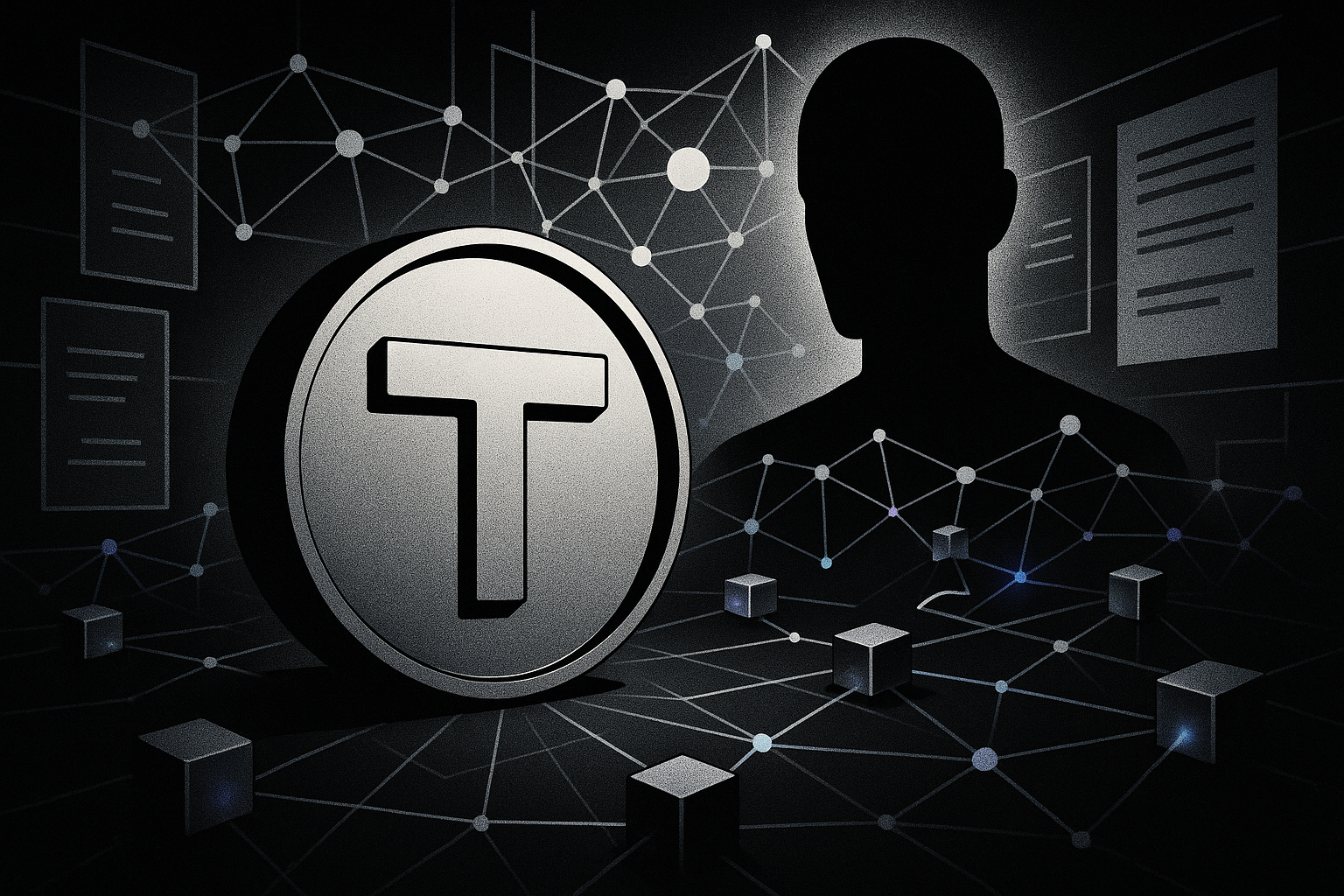
The rise of artificial intelligence has been dominated by tech giants, creating centralized systems that monopolize technological advancements. However, Bittensor is challenging this narrative by establishing a decentralized, blockchain-based protocol designed to democratize AI development. By creating an open, competitive marketplace, Bittensor is reshaping expectations of artificial intelligence, offering a more inclusive model that could redefine the industry.
Understanding Bittensor’s Decentralized Model
Bittensor operates as an open-source protocol that forms a global, decentralized neural network. This network enables machine learning models to communicate, share information, and collaboratively enhance their capabilities. The platform’s native token, TAO, functions as both a reward mechanism and a governance tool, incentivizing contributions to the network while ensuring decentralized control.
The Bittensor network comprises two main types of nodes: servers and validators. These nodes are crucial as they assess the informational value provided by other nodes. High-value nodes are rewarded with more TAO, strengthening their stake, whereas low-value nodes face de-registration. This dynamic system ensures the network remains productive and efficient, constantly improving its machine learning capabilities.
Market Implications and Potential Disruptions
In the broader context of the cryptocurrency market, Bittensor’s model presents a unique opportunity by addressing some of the key flaws inherent in centralized AI systems. The recent uncovering of a flaw in Zcash by AI models, as reported by CoinDesk, highlights the vulnerabilities in current systems. Bittensor’s decentralized approach could offer a more resilient alternative by distributing control and increasing transparency.
Moreover, while the crypto market has experienced significant drawdowns, as noted with Bitcoin and Ethereum’s recent downturns, Bittensor’s focus on AI provides a distinct value proposition that transcends traditional market fluctuations. By establishing a decentralized marketplace for AI, Bittensor can attract both producers and consumers of AI technology, fostering innovation in a trustless environment.
Opportunities and Challenges
The potential of Bittensor is significant, but it is not without challenges. Centralization concerns, particularly around validator power, pose risks to its decentralized ethos. Additionally, regulatory uncertainties, especially with the SEC’s stance on AI-reward subnets, could impact Bittensor’s growth trajectory.
Despite these challenges, the opportunities Bittensor offers are compelling. By democratizing access to AI development, it encourages global participation, enhancing both the diversity and quality of AI innovations. Furthermore, the platform’s incentivized framework ensures ongoing contributions, driving the network’s continuous improvement and relevance.
In conclusion, Bittensor’s decentralized AI marketplace represents a bold step towards reshaping the landscape of artificial intelligence. By providing an open, transparent, and competitive environment, it challenges the status quo and offers a promising alternative to centralized AI models. While risks remain, the potential rewards of such an innovative approach could redefine how AI is developed and utilized globally.