 AAVE
AAVE UNI
UNI SUI
SUI NEAR
NEAR ZEC
ZEC USDT
USDT ADA
ADA BNB
BNB USDC
USDC DOGE
DOGE TRX
TRX XTZ
XTZ ATTN
ATTN DASH
DASH TAO
TAO TRUMP
TRUMP
 XRP
XRP
 ETH
ETH
 BTC
BTC
 GRAM
GRAM
 SOL
SOL
 DATA
DATA
 LINK
LINK
 WLFI
WLFI
 DEV
DEV
 ANSEM
ANSEM
 USDG
USDG
 CC
CC
 PYUSD
PYUSD
 RAIN
RAIN
 XLM
XLM
 FIGR_HELOC
 USDD
USDD
 OKB
OKB
 HYPE
HYPE
 PAXG
PAXG
 LTC
LTC
 RLUSD
RLUSD
 XMR
XMR
 USD1
USD1
 WBT
WBT
 ONDO
ONDO
 XAUT
XAUT
 AVAX
AVAX
 LEO
LEO
 USDY
USDY

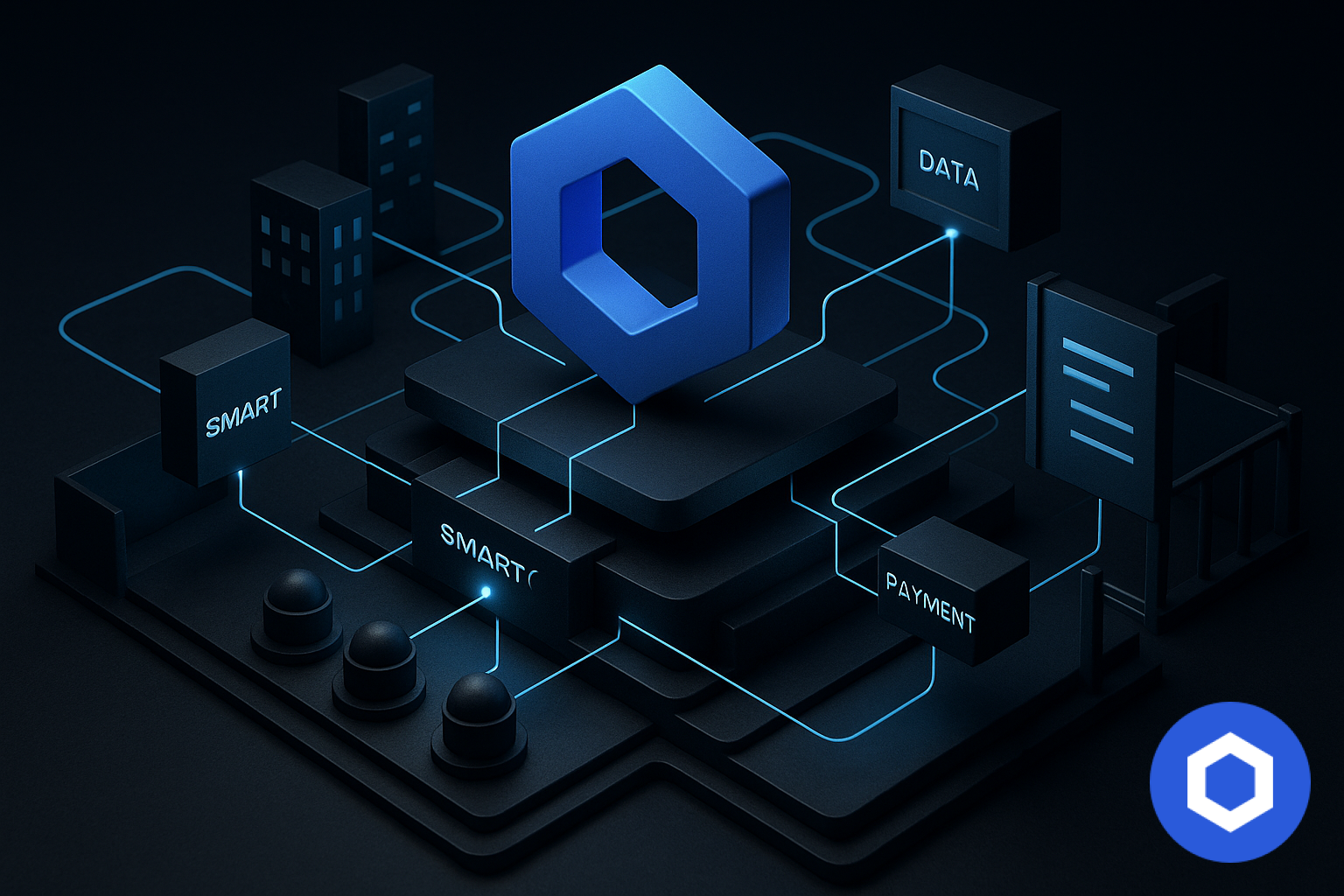
As blockchain technology continues to revolutionize various sectors, the role of decentralized oracle networks becomes increasingly vital. Chainlink, a leader in this field, serves as a critical bridge connecting blockchain smart contracts with real-world data. This capability allows for the execution of complex agreements based on verified, tamper-proof information, effectively resolving the ‘oracle problem’ that has long challenged blockchain developers.
The Role of Chainlink in Blockchain Ecosystems
Chainlink operates on the Ethereum network, but its impact extends far beyond any single blockchain. By providing a secure and reliable method for smart contracts to access off-chain data, Chainlink enables a wide range of decentralized applications (dApps) across different blockchains. This interoperability is crucial for the expansion of the decentralized finance (DeFi) sector, where accurate and timely data is necessary for applications like lending, borrowing, and trading.
Tokenization and Chainlink’s Influence
The concept of tokenization, where traditional assets are digitalized and represented on blockchain networks, is gaining traction. Recent developments, such as the SEC approval for Securitize to go public on the NYSE, exemplify the growing institutional interest in tokenization. Chainlink plays a pivotal role here by ensuring that the data required to tokenize these assets is both accurate and secure.
Furthermore, Chainlink’s decentralized oracle networks can facilitate the integration of tokenized assets into various financial systems, providing the necessary data feeds for asset prices, interest rates, and other critical financial metrics. This integration is essential for the maturation of tokenized markets, aligning with predictions from industry leaders like Abra’s Bill Barhydt, who sees tokenization as the next frontier in crypto wealth management.
Chainlink’s Unique Features and Market Position
Chainlink is not just a data provider; it offers a comprehensive suite of solutions that include decentralized computing and cross-chain interoperability. The LINK token, Chainlink’s native utility asset, is integral to these operations. It serves multiple functions such as a payment currency within the network, a collateral mechanism, and a security tool that ensures the integrity of data transactions.
In terms of market structure, Chainlink’s infrastructure supports a vast ecosystem of blockchain networks and real-world applications. This industry-standard layer attracts a diverse array of developers and enterprises looking to leverage its robust and flexible oracle solutions. As a result, Chainlink has secured hundreds of billions in DeFi, underscoring its significance in the broader blockchain landscape.
Challenges and Future Outlook
Despite its success, Chainlink faces several challenges, including systemic risks associated with being a primary middleware in Web3. These risks are compounded by the volatile nature of the crypto market and the constant evolution of blockchain technology. However, Chainlink’s continuous innovation and expanding ecosystem position it well to navigate these challenges and further solidify its role in the future of blockchain.
Looking ahead, stakeholders should watch how Chainlink adapts to emerging trends such as AI integration and regulatory changes that could impact its operations. The network’s ability to maintain its competitive edge will depend on its responsiveness to these developments and its capacity to enhance the value proposition of its oracle services.