 AAVE
AAVE UNI
UNI AVAX
AVAX SUI
SUI XLM
XLM NEAR
NEAR ZEC
ZEC XMR
XMR USDT
USDT ADA
ADA BNB
BNB USDC
USDC DOGE
DOGE TRX
TRX XTZ
XTZ ATTN
ATTN DASH
DASH
 XRP
XRP
 ETH
ETH
 TRUMP
TRUMP
 BTC
BTC
 GRAM
GRAM
 SOL
SOL
 DATA
DATA
 LINK
LINK
 TAO
TAO
 DEV
DEV
 WLFI
WLFI
 ANSEM
ANSEM
 USDG
USDG
 PYUSD
PYUSD
 CC
CC
 RAIN
RAIN
 FIGR_HELOC
 PAXG
PAXG
 HYPE
HYPE
 OKB
OKB
 USDD
USDD
 LTC
LTC
 RLUSD
RLUSD
 ONDO
ONDO
 USD1
USD1
 XAUT
XAUT
 WBT
WBT
 LEO
LEO
 USDY
USDY

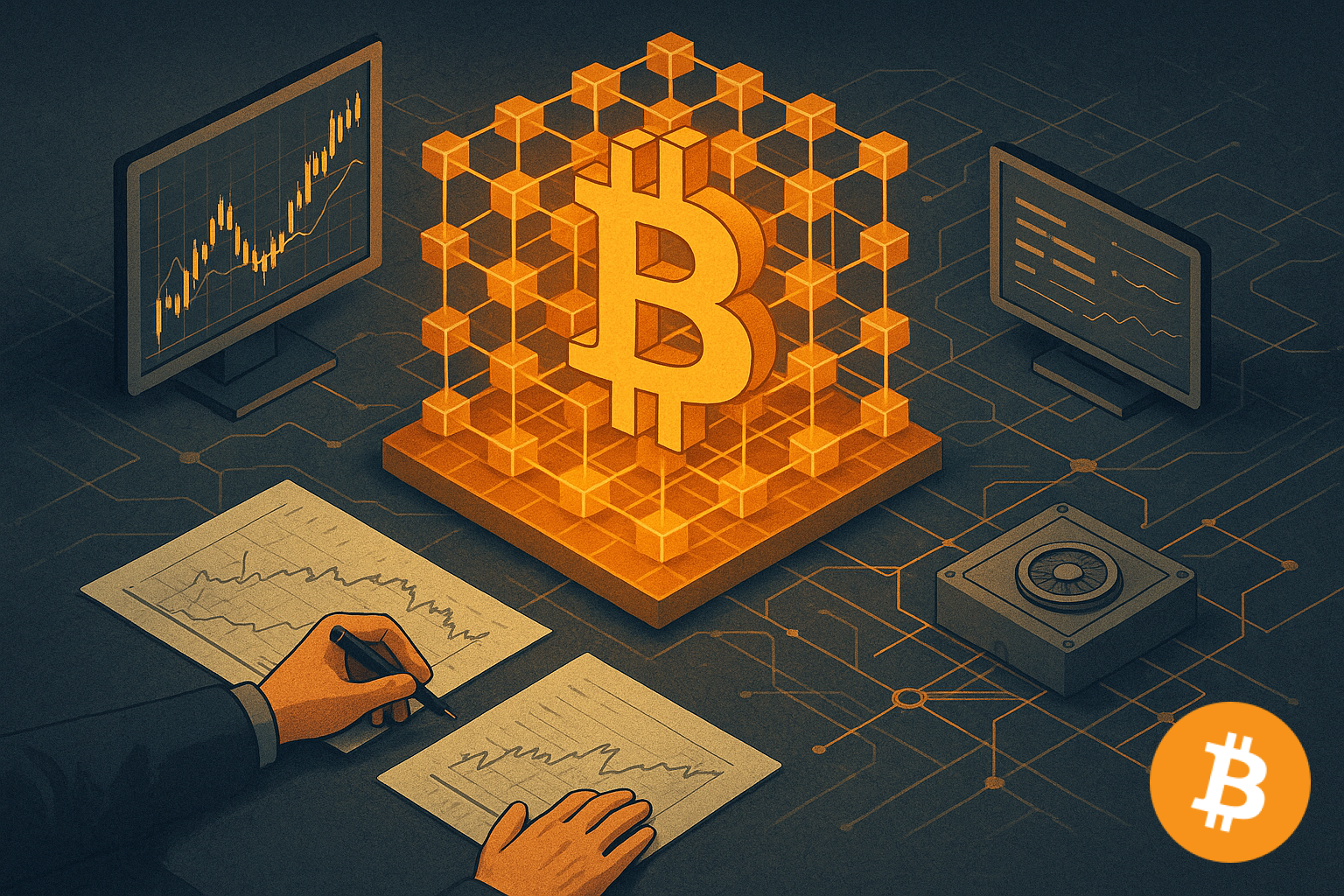
Bitcoin, the world’s first decentralized digital currency, continues to captivate investors and technology enthusiasts alike. As a pioneer in blockchain technology, Bitcoin’s journey is marked by significant volatility and remarkable resilience, making its long-term growth a topic of intense scrutiny.
Understanding Bitcoin’s Market Dynamics
The market for Bitcoin is characterized by its high volatility. As reported by JPMorgan, a growing number of Bitcoin miners are operating near breakeven levels, which makes the mining network increasingly sensitive to price swings. This sensitivity influences Bitcoin’s hashrate and mining difficulty, which are crucial components of its infrastructure.
Currently, Bitcoin is navigating a challenging price range, with key support near $60,000 and resistance around $68,000. Analysts have noted that a bearish chart pattern could potentially send prices toward $54,000, emphasizing the uncertain terrain Bitcoin must traverse. Despite these challenges, Bitcoin has demonstrated a remarkable ability to rebound, as evidenced by its recovery to $65,000 amid eased ETF selling and a firmer dollar.
Bitcoin’s Technological Edge
Bitcoin’s technological infrastructure is a significant factor in its long-term prospects. The network operates without a central authority, allowing users to send and receive money directly over the internet. This decentralization is not just a feature; it is a cornerstone of Bitcoin’s value proposition. It provides financial independence and protection against inflation, qualities that are increasingly valued in today’s economic climate.
Moreover, the Bitcoin ecosystem has evolved to include multi-layered financial infrastructures like the Lightning Network. These Layer 2 solutions aim to scale transaction speeds and reduce costs, enhancing Bitcoin’s utility as both a medium of exchange and a store of value.
Risks and Opportunities
While Bitcoin’s potential for long-term growth is compelling, it is not without risks. The primary risks include extreme price volatility, regulatory uncertainty, and the permanent nature of self-custody errors. Additionally, the market’s global and continuous operation can lead to sudden price swings, causing financial losses for unprepared investors.
Despite these risks, Bitcoin’s fixed supply cap of 21 million coins offers a unique form of digital scarcity that appeals to investors as a hedge against inflation. This scarcity, combined with its decentralized nature, makes Bitcoin an attractive option for those seeking an alternative to traditional financial systems.
Implications for Investors
For investors, the current market conditions present both challenges and opportunities. The skepticism over a sustained rally, as indicated by derivatives markets, suggests that caution is warranted. However, the long-term prospects for Bitcoin remain strong, particularly as it continues to gain acceptance as a legitimate asset class.
Investors should focus on understanding the technological underpinnings and inherent risks of Bitcoin. By doing so, they can make informed decisions that align with their financial goals and risk tolerance.
Conclusion
Bitcoin’s journey is a testament to the transformative power of decentralized digital money. Its ability to operate independently of traditional financial institutions offers a revolutionary approach to wealth storage and transfer. While market volatility presents challenges, Bitcoin’s long-term growth potential remains robust, driven by its technological infrastructure and digital scarcity.
As the ecosystem continues to evolve, Bitcoin’s role as a secure and reliable monetary system will become increasingly significant, offering a glimpse into the future of finance.