 AAVE
AAVE UNI
UNI SHIB
SHIB AVAX
AVAX SUI
SUI XLM
XLM NEAR
NEAR ZEC
ZEC XMR
XMR USDT
USDT HYPE
HYPE ADA
ADA BNB
BNB USDC
USDC DOGE
DOGE TRX
TRX ANSEM
ANSEM
 XRP
XRP
 ETH
ETH
 TRUMP
TRUMP
 BTC
BTC
 GRAM
GRAM
 SOL
SOL
 DATA
DATA
 LINK
LINK
 TAO
TAO
 DASH
DASH
 XTZ
XTZ
 ATTN
ATTN
 DEV
DEV
 WLFI
WLFI
 USDG
USDG
 CC
CC
 PYUSD
PYUSD
 PAXG
PAXG
 RAIN
RAIN
 FIGR_HELOC
 ONDO
ONDO
 LTC
LTC
 RLUSD
RLUSD
 OKB
OKB
 USDD
USDD
 XAUT
XAUT
 USD1
USD1
 WBT
WBT
 USDY
USDY
 LEO
LEO

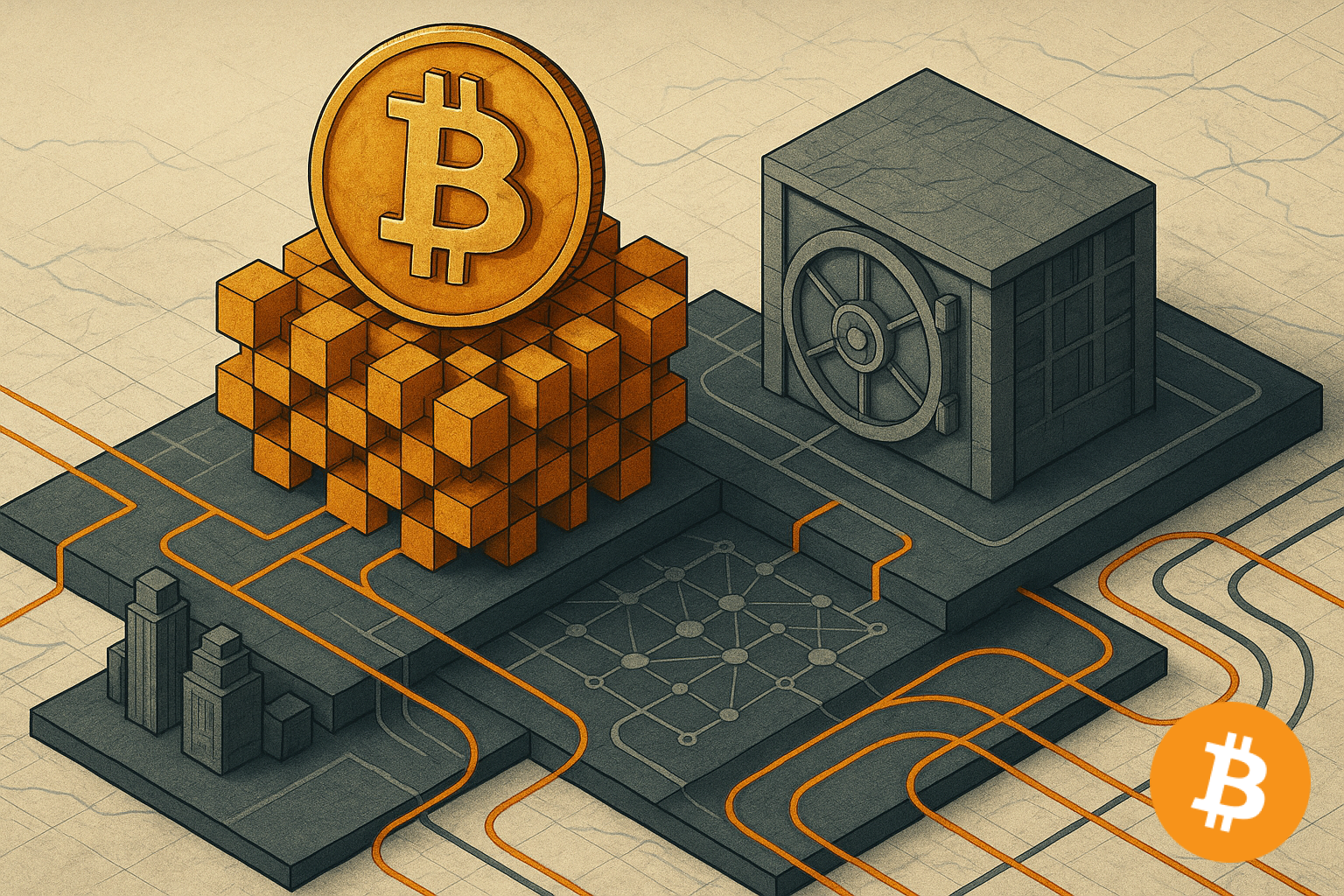
As Bitcoin’s price fluctuations continue to capture global attention, understanding the underlying infrastructure and trust in its ecosystem becomes paramount. Recent market dynamics have highlighted both the opportunities and risks associated with the world’s leading cryptocurrency, Bitcoin.
Market Dynamics and Recent Trends
The cryptocurrency market has been experiencing significant volatility, with Bitcoin’s price nearing critical support levels. According to a report by CoinDesk, the crypto market is on track for its worst week since July 2024, driven by external factors such as the Zcash exploit and the unwinding of AI trades. Bitcoin’s price recently plunged to near $62,000 as the market reacted to Broadcom’s disappointing AI chip outlook, which also impacted the Nasdaq and Asian equities.
Bitcoin’s Bearish and Bullish Sentiments
Market sentiment plays a crucial role in Bitcoin’s price movements. Notably, Bitcoin sentiment hit peak bearishness at recent lows, while optimism surged near price tops. This cyclical pattern of sentiment underscores the volatility inherent in the cryptocurrency market.
Infrastructure and Technological Advancements
Despite these fluctuations, Bitcoin’s long-term prospects remain promising, largely due to ongoing infrastructure developments and technological advancements. Major U.S. banks, including JPMorgan, Bank of America, and Citi, have announced plans to launch a shared tokenized network. This initiative aims to mitigate the potential threat posed by stablecoins and enhance the reliability and security of blockchain transactions.
The introduction of such a network emphasizes the growing institutional interest in blockchain technology, which could bolster Bitcoin’s credibility and trust as a digital asset. By leveraging a shared blockchain infrastructure, these banks aim to provide a more robust and secure environment for digital transactions.
Regulatory Developments and Market Implications
Regulatory clarity remains a critical factor influencing Bitcoin’s market dynamics. The Crypto Clarity Act, currently under discussion in the Senate, seeks to provide law enforcement with tools to combat illicit activities involving cryptocurrencies. Such regulatory frameworks are vital for enhancing trust and security in the crypto ecosystem.
Moreover, Bitcoin ETFs in the U.S. have recently ended a record streak of outflows, signaling renewed investor confidence. According to CoinDesk, spot Bitcoin ETFs pulled in a net $3.05 million, ending 13 consecutive sessions of outflows totaling $4.4 billion. This turnaround in investor sentiment highlights the potential for Bitcoin to regain its upward momentum.
Opportunities and Risks Ahead
Looking forward, Bitcoin’s journey as a digital asset is characterized by a delicate balance of risks and opportunities. On one hand, the potential for technological advancements, such as the launch of a shared tokenized network, offers significant growth opportunities. These developments could enhance the security, reliability, and scalability of Bitcoin transactions, reinforcing its position as a trusted digital currency.
On the other hand, market volatility and regulatory challenges pose significant risks. The recent decline in Bitcoin’s price to near $62,000 highlights the impact of external factors on its value. Moreover, the potential for further regulatory scrutiny could influence investor sentiment and market stability.
Ultimately, Bitcoin’s long-term success will depend on the continued evolution of its infrastructure, the establishment of robust regulatory frameworks, and the ability of the crypto community to adapt to changing market conditions. As both a technological innovation and a financial asset, Bitcoin’s journey is far from over, offering both challenges and opportunities for investors and stakeholders alike.