XTZ
XTZ DASH
DASH TAO
TAO TRUMP
TRUMP XRP
XRP TONCOIN
 SOL
SOL ETH
ETH LINK
LINK BTC
BTC WLFI
WLFI RICH
RICH DEV3
DEV3 ATTN
ATTN




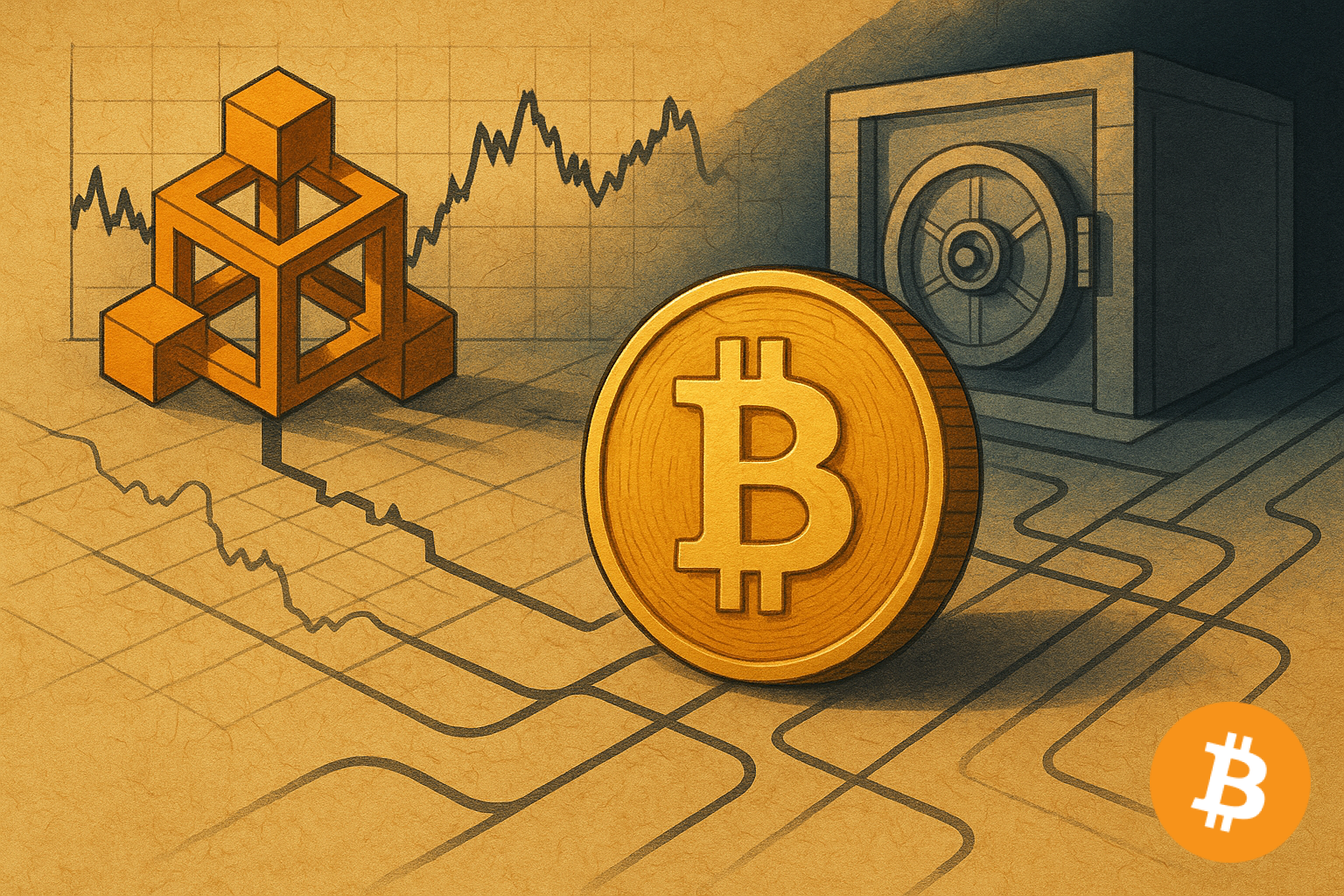
Bitcoin’s Long-Term Growth Amid Market Volatility: An In-Depth Analysis
Bitcoin, a pioneering force in the world of cryptocurrency, often finds itself at the center of market discussions. Recent headlines have highlighted its price spikes and subsequent pullbacks, but what’s the underlying story behind these movements? Beyond the spectacle of dramatic price shifts, the quieter narrative is one of resilience and potential long-term growth.
Bitcoin’s Recent Price Movements
In recent weeks, Bitcoin’s price has seen substantial fluctuations. After reaching a high of $63,700, it quickly retreated below $63,000. These movements were influenced by several factors, including geopolitical tensions and overall market risk aversion. Specifically, Iran-Israel tensions and an oil market rally contributed to the volatility, impacting not only Bitcoin but also traditional financial markets.
The Role of Inflation
Contrary to some opinions, recent Bitcoin volatility wasn’t solely due to market maneuvers by firms like Strategy. Instead, rising inflation has played a significant role. As inflation data from the U.S. pointed to increasing consumer prices, investors reacted by reassessing risk. According to 10xResearch, ETF selling was a major contributor to Bitcoin’s price dip, highlighting the asset’s sensitivity to broader economic indicators.
Institutional Moves and Market Impact
Institutional actions continue to shape Bitcoin’s landscape. Strategy, a significant player, recently purchased 1,550 bitcoins after having sold $2.5 million worth of the cryptocurrency. This kind of activity underscores a strategic approach to managing Bitcoin holdings amid market volatility. Meanwhile, Michael Saylor of Strategy has hinted at further purchases, suggesting a sustained institutional interest in Bitcoin’s potential.
Analyzing Market Indicators
Amidst price swings, certain technical indicators offer a glimpse into Bitcoin’s longer-term prospects. A crucial market metric suggests that Bitcoin’s price is nearing its realized fair value, potentially signaling that the worst of recent sell-offs might be behind us. Additionally, Bitcoin’s price stability above the 200-week moving average marks a potential turning point, often indicative of major cycle changes.
Futures and Volatility
The introduction of Bitcoin volatility index futures by CME is a noteworthy development. By allowing traders to bet on volatility rather than just price, it reflects a maturing market where sophisticated financial instruments are becoming more prevalent. This move could attract a broader range of investors, including those looking to hedge against price swings.
Looking Ahead: A Watchful Eye on Key Metrics
As Bitcoin continues to navigate a volatile market, several key metrics warrant attention. The upcoming U.S. Consumer Price Index (CPI) data could further influence Bitcoin’s trajectory, as inflation remains a central concern for investors. Moreover, continued institutional interest and strategic purchases by major players like Strategy could bolster confidence in Bitcoin’s long-term growth potential.
While short-term fluctuations are inevitable, the fundamental qualities that underpin Bitcoin’s value proposition remain intact. Its decentralized nature and limited supply provide a hedge against traditional financial systems, offering a unique investment opportunity amidst economic uncertainties.
Conclusion
In the grand tapestry of financial markets, Bitcoin’s narrative is one of both immediate volatility and enduring potential. As it adapts to changing economic landscapes and investor sentiment, its role as a store of value and a speculative asset will continue to evolve. For those keeping a close eye on Bitcoin, the challenge lies in discerning the signal from the noise, focusing on material developments rather than transient market movements.