XTZ
XTZ DASH
DASH TAO
TAO TRUMP
TRUMP XRP
XRP TONCOIN
 SOL
SOL ETH
ETH LINK
LINK BTC
BTC WLFI
WLFI RICH
RICH DEV3
DEV3 ATTN
ATTN




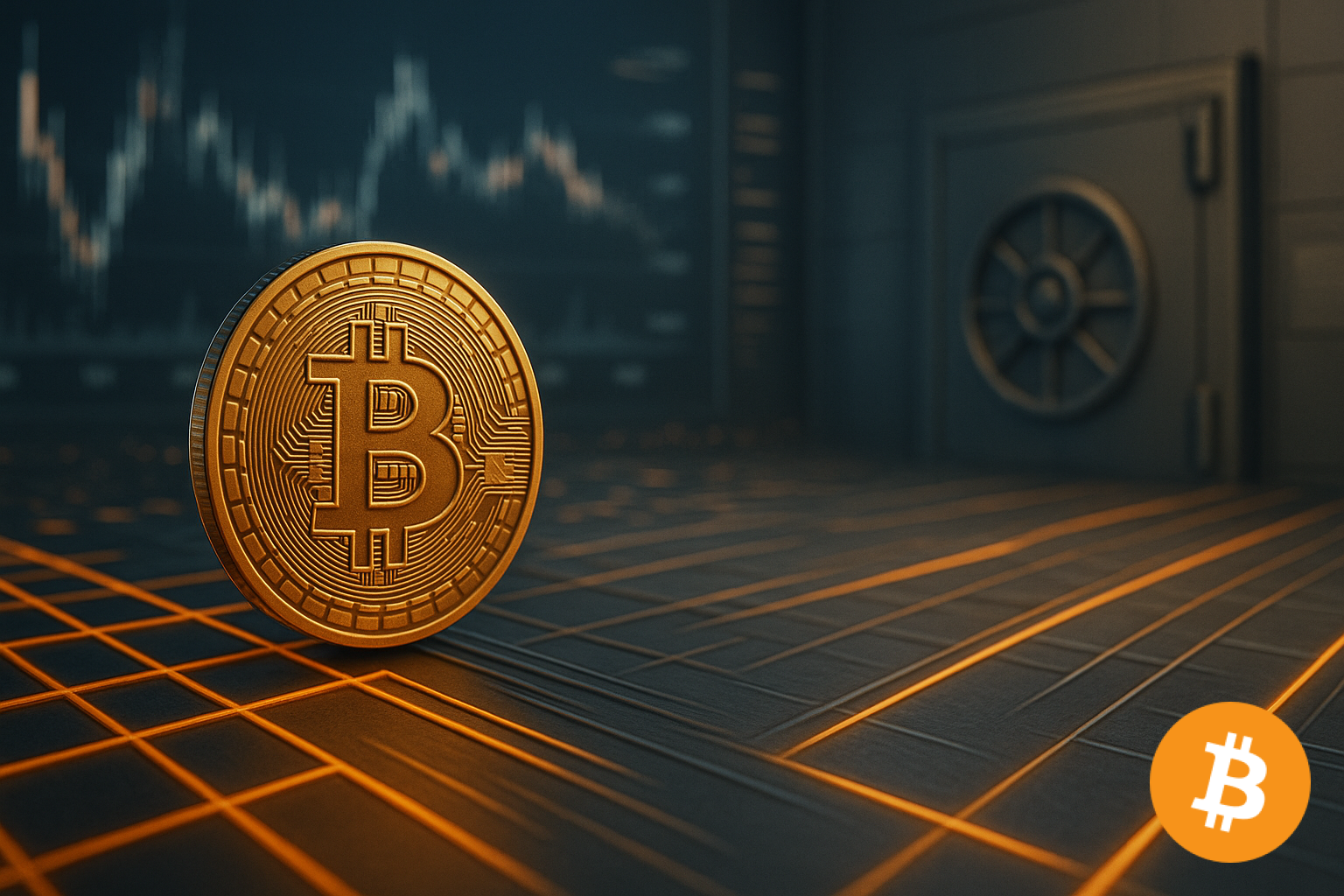
Bitcoin’s Long-Term Growth Amid Volatility: What Lies Ahead?
Bitcoin, the world’s first decentralized digital currency, continues to captivate financial markets despite its notorious volatility. The recent developments in the Bitcoin ecosystem underscore the importance of understanding its long-term growth potential and the market dynamics that contribute to its price fluctuations. As we delve into this discussion, the spotlight remains firmly on Bitcoin, exploring its role as a decentralized digital currency and a store of value in an increasingly uncertain financial landscape.
Bitcoin’s Recent Market Movements
Bitcoin’s price has seen little change despite a significant purchase by investment firm Strategy, which recently added $100 million worth of BTC. This lack of market reaction highlights the degree of caution among investors as they await crucial U.S. inflation data and the Federal Reserve’s upcoming meeting. Such events are pivotal as they influence investor sentiment and, by extension, the cryptocurrency’s price trajectory.
On the other hand, Bitcoin’s price briefly surged past $63,000 before retreating to $62,500, reflecting the market’s underlying volatility. These fluctuations are not new to Bitcoin, which has often experienced dramatic price swings due to various macroeconomic factors and internal market dynamics.
Long-Term Growth Potential
Despite these short-term fluctuations, Bitcoin’s long-term growth thesis remains intact. A report by Bernstein highlights that Bitcoin’s diversified ownership base supports its role as a long-term store of value. This diversification suggests that Bitcoin is increasingly seen as a hedge against inflation and a vehicle for wealth preservation, especially in times of economic uncertainty.
Bitcoin’s decentralized nature and finite supply of 21 million coins contribute to its value proposition. Unlike fiat currencies subject to inflationary pressures, Bitcoin offers absolute digital scarcity, making it an attractive option for investors looking for protection against currency devaluation.
Market Volatility: A Double-Edged Sword
Bitcoin’s volatility, while often seen as a risk, also presents opportunities for traders. The cryptocurrency’s price movements can be influenced by various factors, including regulatory developments, macroeconomic trends, and changes in investor sentiment. For instance, the recent dip in Bitcoin’s price was attributed to rising inflation and ETF selling, as argued by 10xResearch.
Moreover, Bitcoin’s volatility is not solely driven by external factors. Internal market dynamics, such as large-scale purchases or sales by institutional players, can also sway prices. For example, Arca attributed a recent Bitcoin price crash to Strategy’s sale of 32 BTC, countering claims that AI-driven capital rotation was to blame.
What to Watch Next
For investors and enthusiasts keen on Bitcoin’s future, several conditions could confirm or weaken the thesis of its long-term growth amidst volatility. Monitoring U.S. inflation data and Federal Reserve policy decisions is crucial, as these elements significantly impact market sentiment and Bitcoin’s price.
Additionally, the emergence of Layer 2 scaling solutions, such as the Lightning Network, could enhance Bitcoin’s transaction efficiency, making it more appealing for everyday use. As Bitcoin’s ecosystem evolves, its ability to scale and adapt will be key determinants of its success as a decentralized digital currency.
In conclusion, while Bitcoin’s journey is marked by volatility, its long-term growth potential remains compelling. By offering a decentralized, scarce, and secure monetary system, Bitcoin continues to stand out as a revolutionary financial asset in the digital age. However, investors should remain vigilant, keeping an eye on macroeconomic indicators and technological advancements that could shape Bitcoin’s future trajectory.